Application Prospects for a Bottle Filler
The most significant prospect for modern bottle fillers is their central role in the global shift towards sustainability. Beyond simply dispensing water, these systems are becoming integrated hydration hubs in public spaces, corporate campuses, and educational institutions. They are equipped with digital counters that display the number of single-use plastic bottles saved, providing tangible ESG metrics. The future will see them as standard infrastructure, not just amenities, with prospects including integration into smart building systems for usage monitoring and predictive maintenance, making them a core component of any organization's green initiative.
In the commercial and hospitality sectors, bottle fillers are evolving beyond utility into a powerful tool for brand enhancement and revenue generation. High-end offices, gyms, airports, and hotels are installing advanced models that offer purified, chilled, and sparkling water options. The prospect here is the creation of a premium, branded experience that encourages visitor retention and supports a health-conscious image. Furthermore, in retail settings, compact bottle fillers can serve as pay-per-use stations or as the backbone for a hyper-local, eco-friendly bottled water line, opening new, sustainable revenue streams.
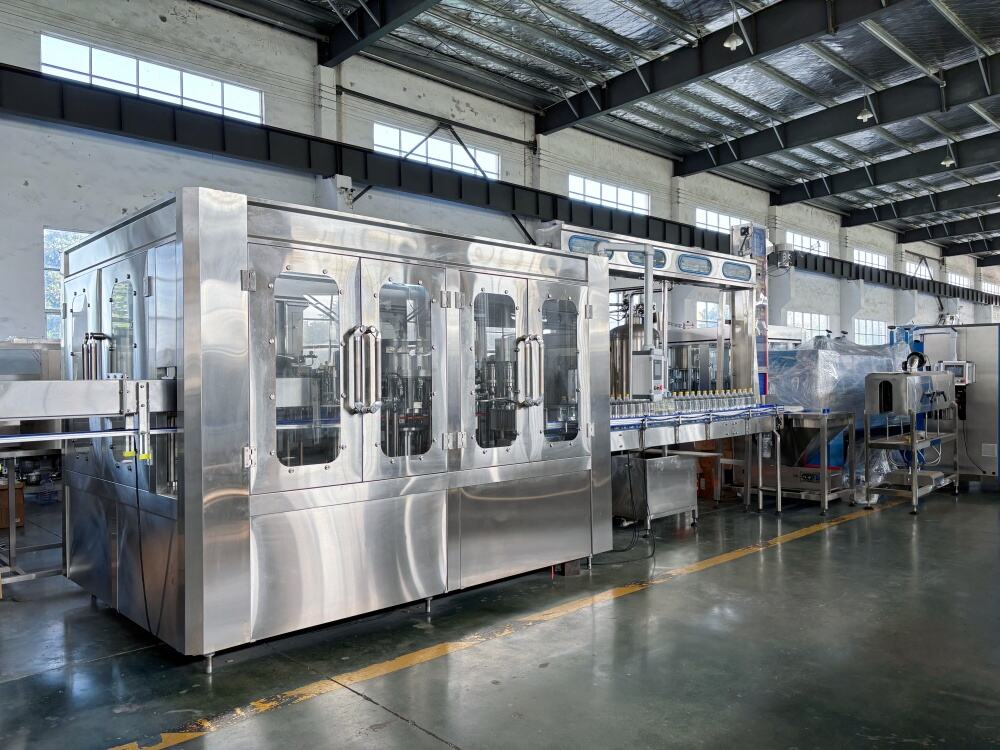
A rapidly growing application lies in the craft beverage and small-batch production industries. For breweries, wineries, and producers of cold-press juices or functional beverages, semi-automated bottle fillers provide an essential bridge between manual bottling and expensive full-scale automation. This technology empowers small businesses to scale their operations efficiently, ensuring fill-level accuracy, reducing oxygen exposure, and maintaining product consistency. The prospect is one of democratization, allowing artisan producers to compete with larger brands by offering professional-grade packaging at a fraction of the cost.
 EN
EN