Maximize Output, Minimize Cost: The Strategic Advantage of a Complete Bottle Filling Line
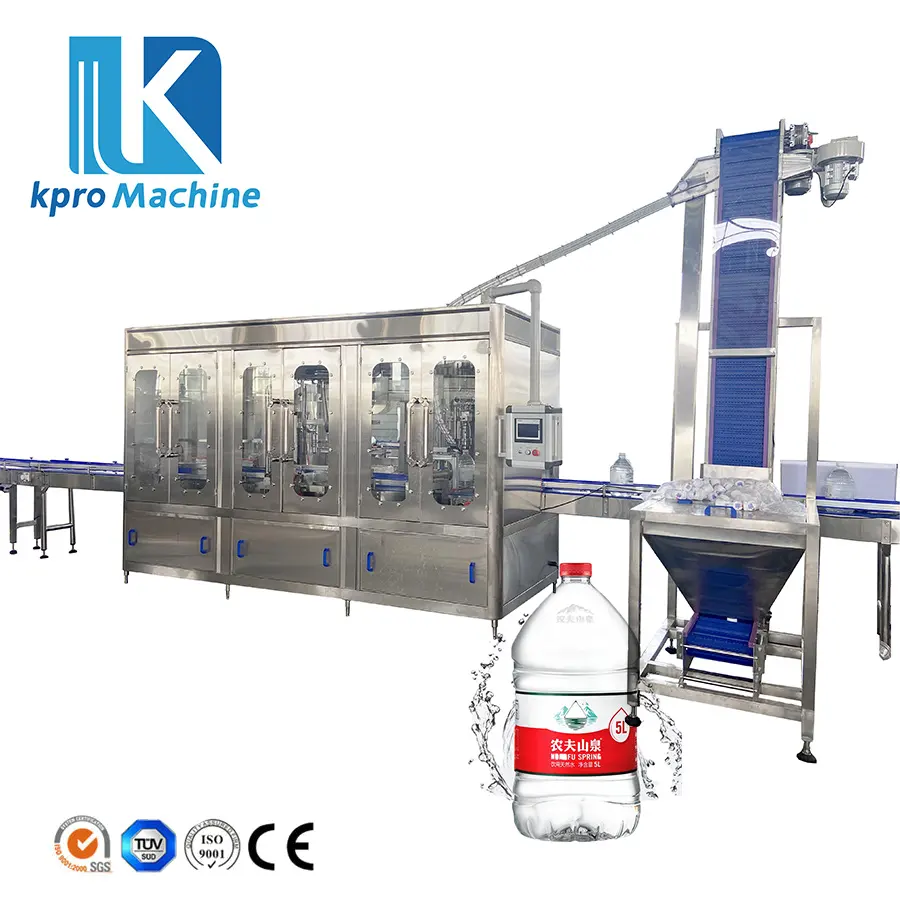
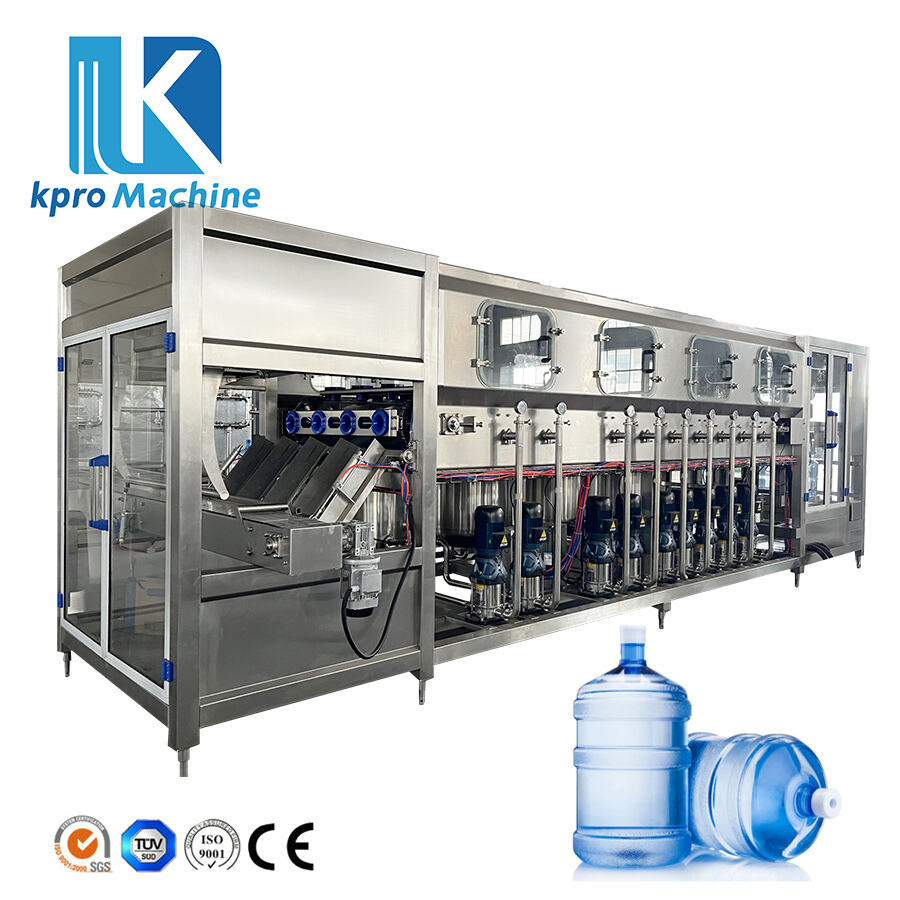
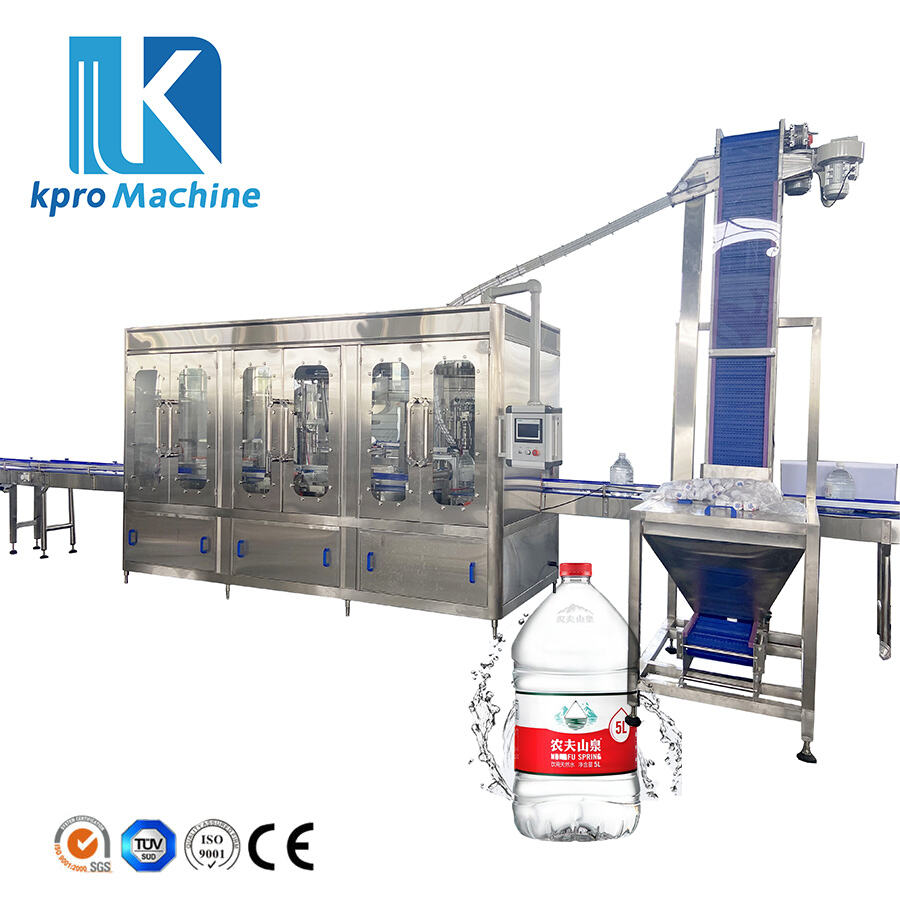
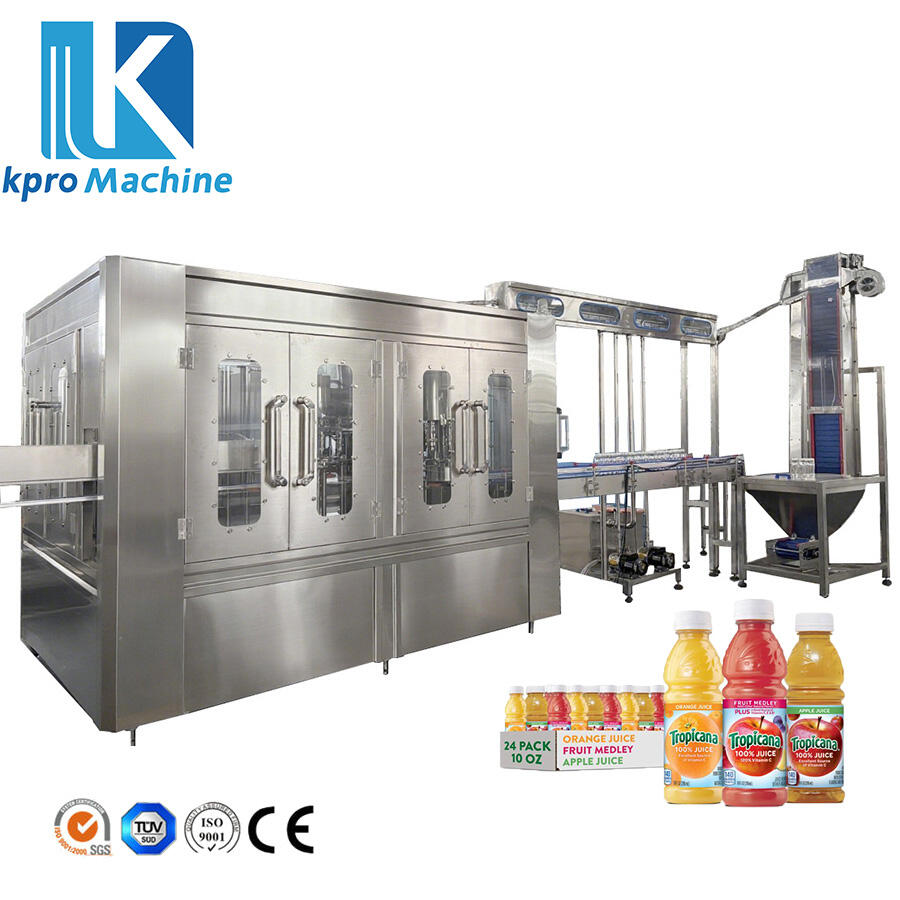
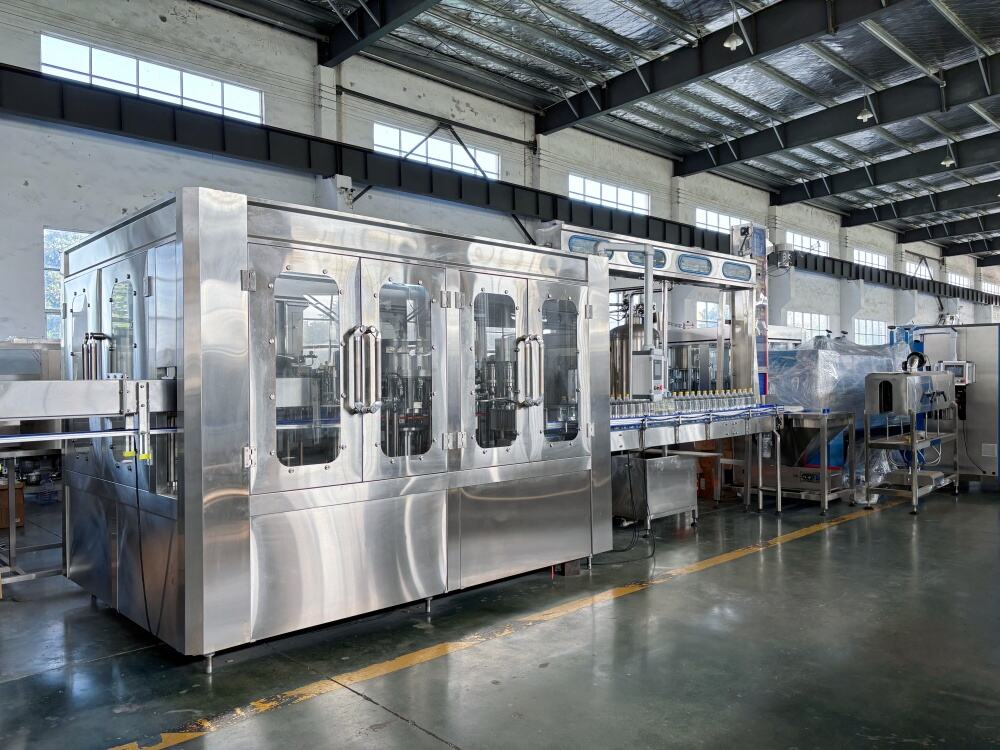
A complete bottle filling line represents the pinnacle of packaging automation, integrating individual machines into a seamless, end-to-end production system. Its application is fundamental for any beverage, food, or liquid manufacturer aiming to transition from artisanal output to industrial-scale distribution. By synchronizing a series of processes—from bottle unscrambling and air cleaning to filling, capping, labeling, and final packaging—the line eliminates manual handling bottlenecks. This integration guarantees unprecedented throughput, slashes labor costs, and ensures absolute consistency across thousands of units, making it the definitive solution for brands ready to scale their market presence reliably and efficiently.
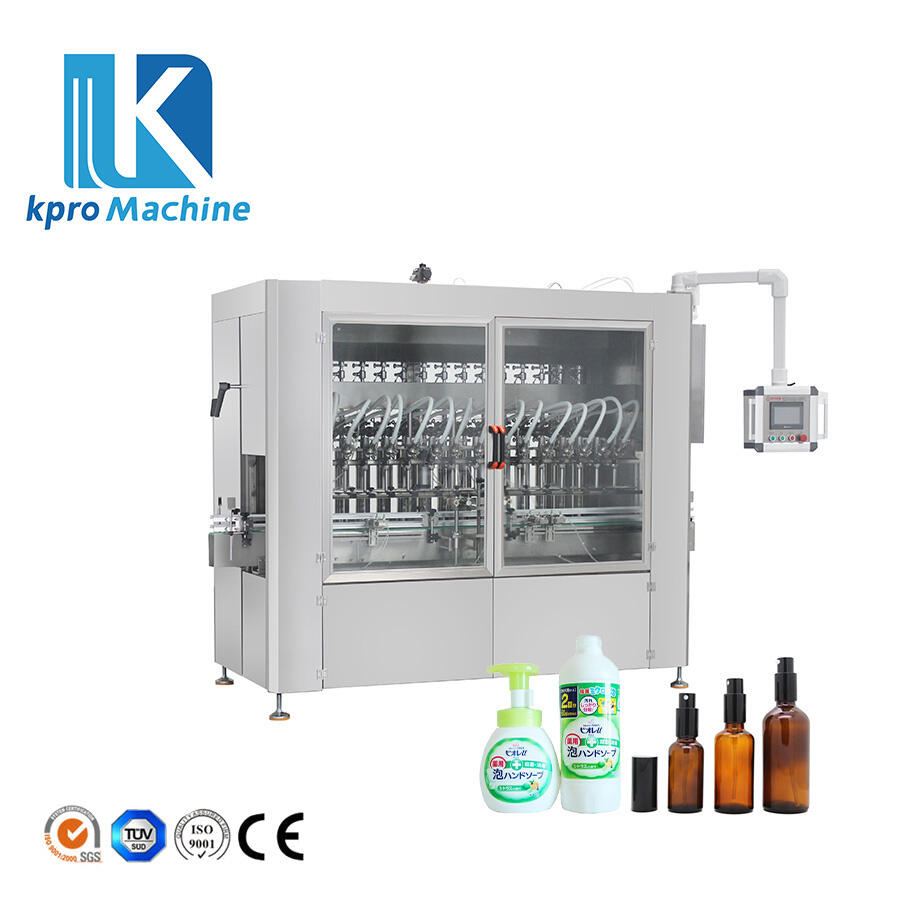
The versatility of a modern filling line allows it to be the backbone for a vast array of industries. In the beverage sector, it effortlessly handles water, carbonated soft drinks, juices, beer, and spirits, with quick changeover capabilities for different bottle sizes and contents. Beyond consumables, these lines are indispensable in pharmaceuticals for sterile saline and disinfectants, in cosmetics for lotions and shampoos, and in household chemicals for detergents and oils. This cross-industry applicability stems from the system's customizability; a line can be configured with specific filler types (e.g., gravity, pressure, volumetric) and cappers (screw, press-on, roller) to meet exact viscosity, hygiene, and container requirements.
The future of bottle filling lines is intelligent and sustainable. Next-generation systems are equipped with Industry 4.0 capabilities, featuring IoT sensors and centralized PLC controls that provide real-time data on efficiency (OEE), maintenance needs, and quality metrics like fill-level accuracy. This data-driven approach enables predictive maintenance, minimizes downtime, and drastically reduces product waste. Simultaneously, manufacturers are prioritizing sustainability through designs that lower energy and water consumption, and through compatibility with lightweight, recycled PET and other eco-friendly packaging materials. Investing in an advanced, smart filling line is no longer just about increasing capacity—it's about future-proofing an operation for resilient, sustainable, and cost-effective growth in a competitive global market.
 EN
EN