Yucai Industry Area, Sanxin Town Zhangjiagang City, Suzhou, Jiangsu, China +8618205059585 [email protected]
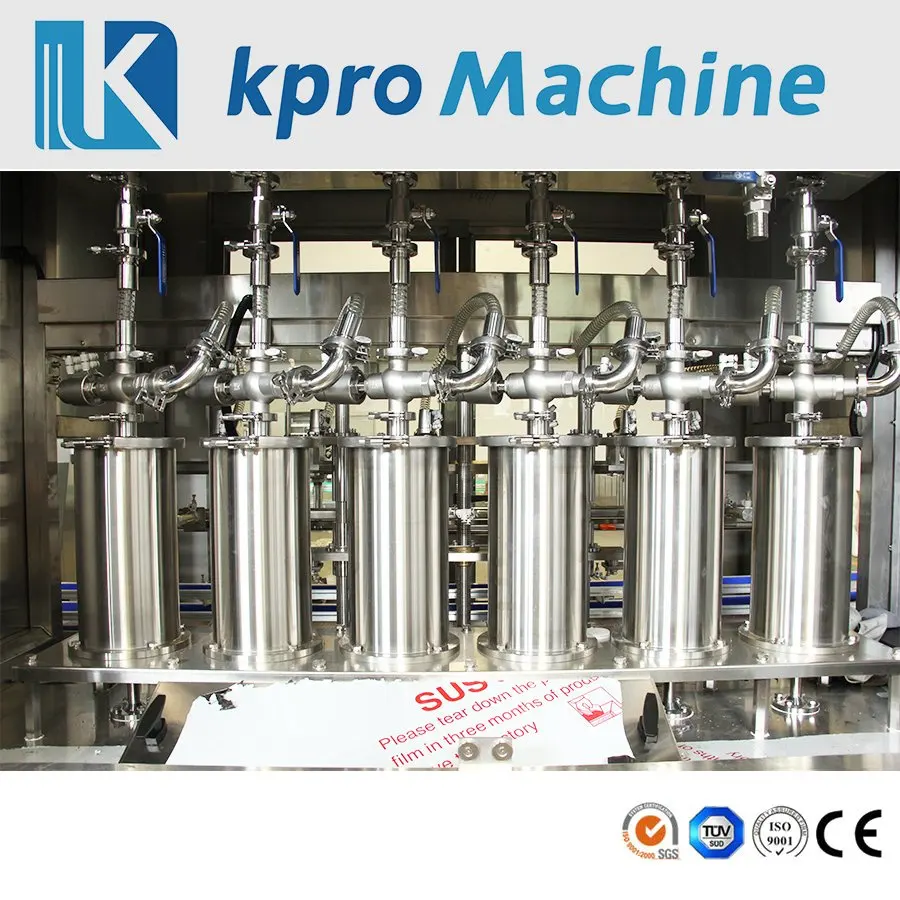
The primary application of a dedicated motor oil filling machine is in the high-volume production of engine lubricants for the automotive and transportation industries. This includes filling a vast range of viscosities—from lightweight 0W-20 synthetic blends to heavier 15W-40 diesel oils—into consumer-sized quart (1-liter) and gallon bottles. Automation is critical here to achieve blistering production speeds while guaranteeing precise volume control for every single container. This precision is non-negotiable, ensuring compliance with industry standards, preventing costly product giveaway, and protecting brand integrity by delivering exactly what is promised to the end-customer.
Beyond standard passenger car motor oil, these robust filling systems are essential for packaging specialized and high-value lubricants. This application area encompasses synthetic motor oils, racing oils, motorcycle-specific formulations, and marine engine oils. A modern motor oil filling machine is engineered to handle these diverse products without cross-contamination, often featuring clean-in-place (CIP) systems and corrosion-resistant materials. Its versatility allows manufacturers to seamlessly switch between filling different oil types and container shapes—from conventional plastic jugs to sleek, branded bottles for premium product lines—on a single, efficient production line.
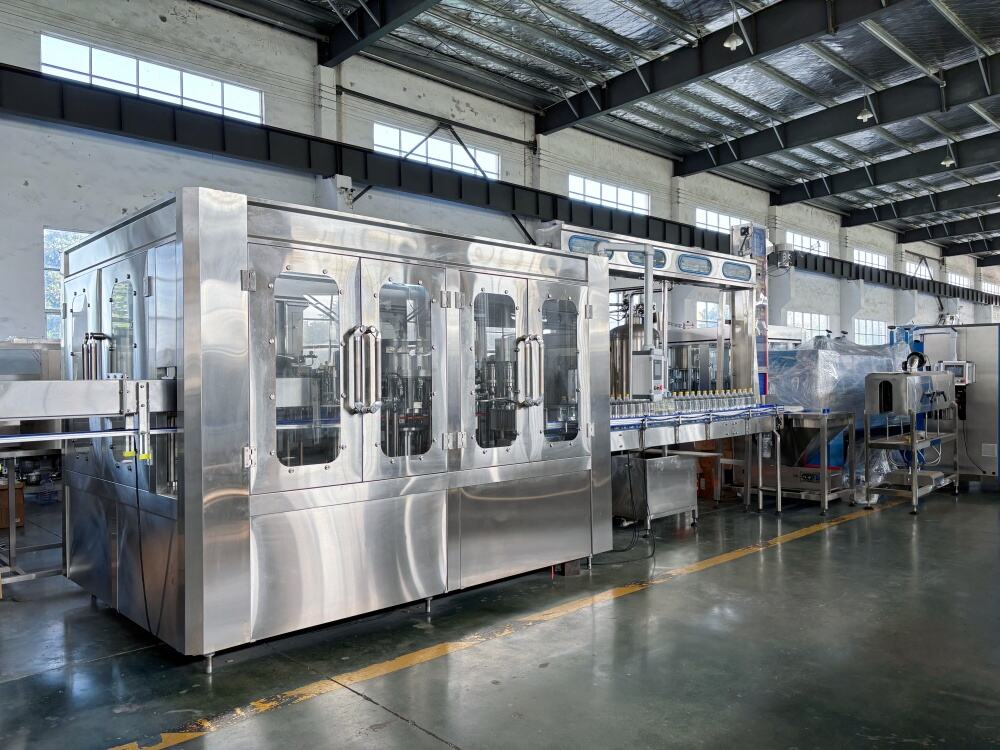
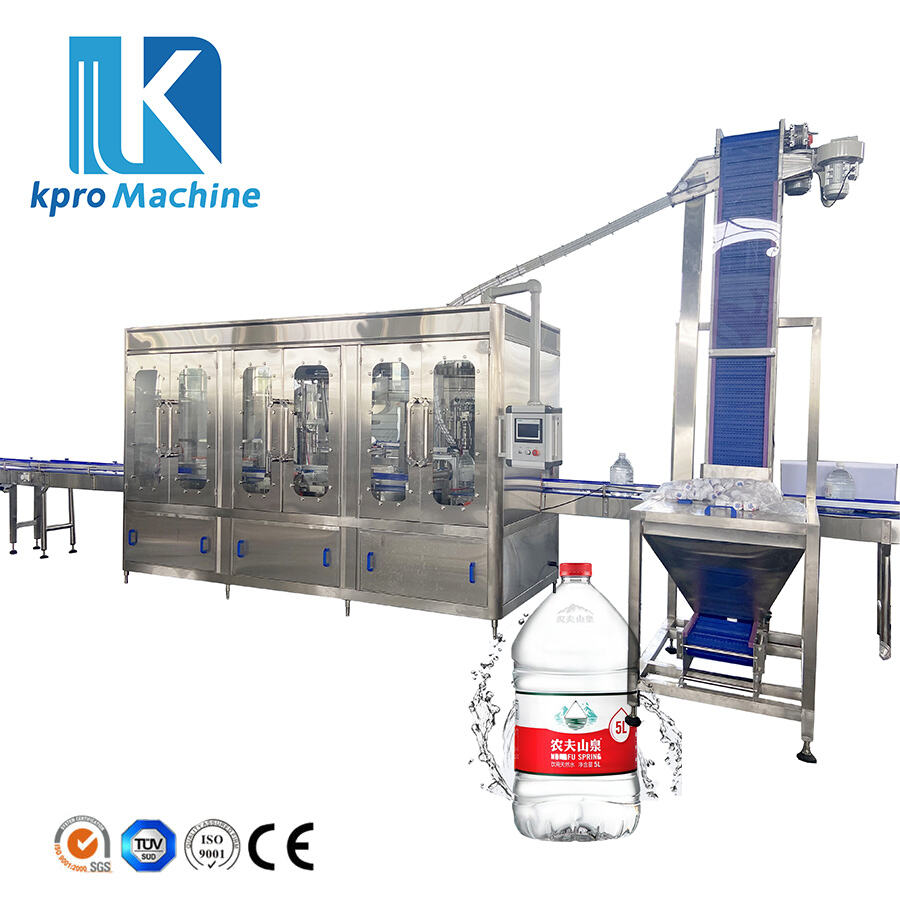
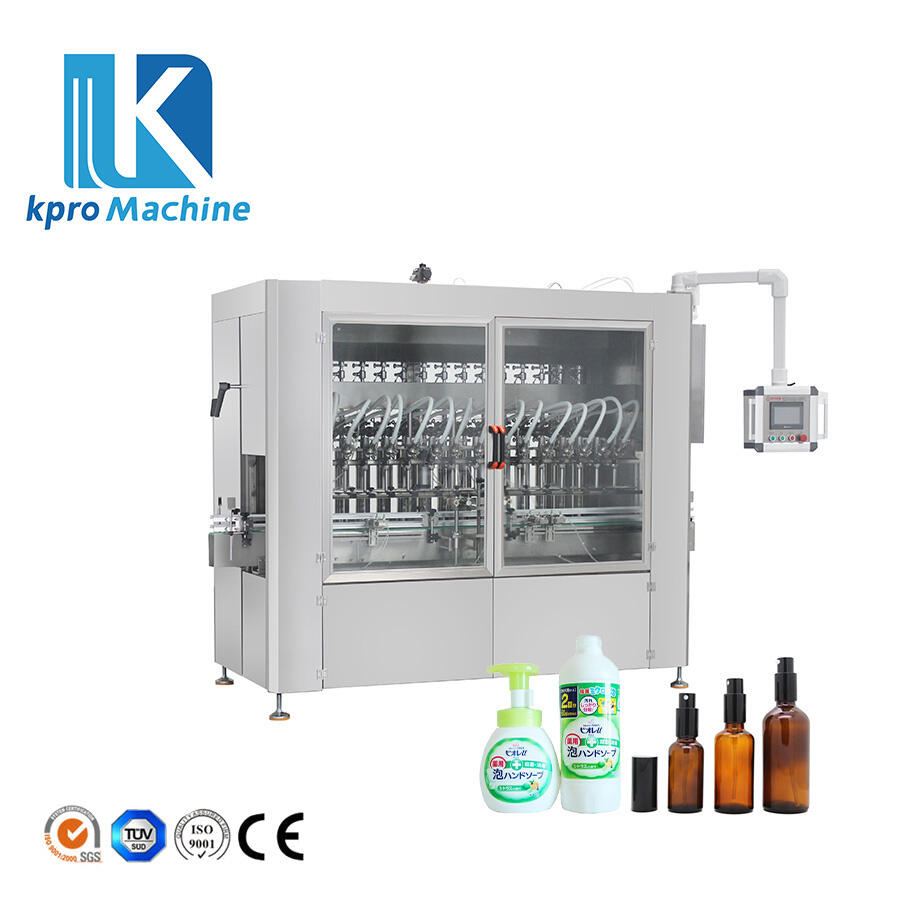
The strategic application of an automatic motor oil filling machine extends to the entire downstream packaging process, creating a seamless, integrated operation. These machines are designed to be the core of a turnkey system, effortlessly integrating with subsequent capping, labeling, coding, and case-packing equipment. This end-to-end automation is crucial for serving major retail chains and automotive distributors, as it ensures batch consistency, traceability, and a professional presentation that meets strict vendor requirements. By automating the filling line, producers significantly enhance workplace safety by minimizing human contact with oils, reduce labor costs, and future-proof their operations to scale with market demand.