Efficiency, Purity, and Scale: The Strategic Value of a Modern Water Bottling Line
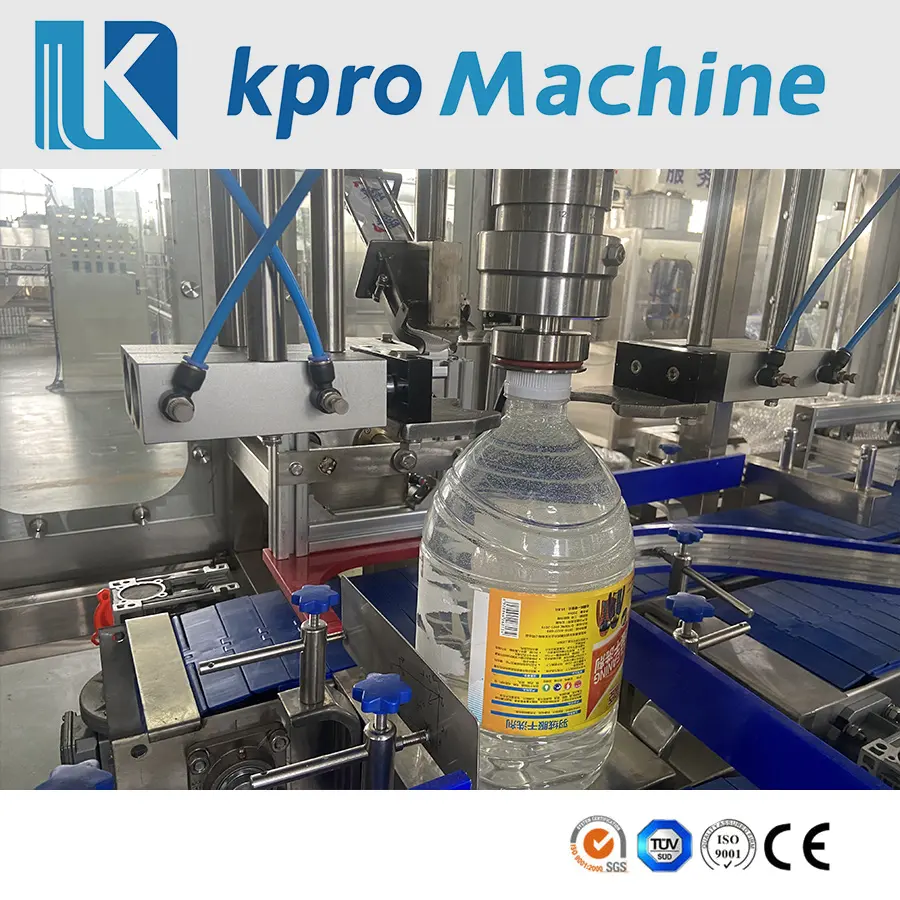
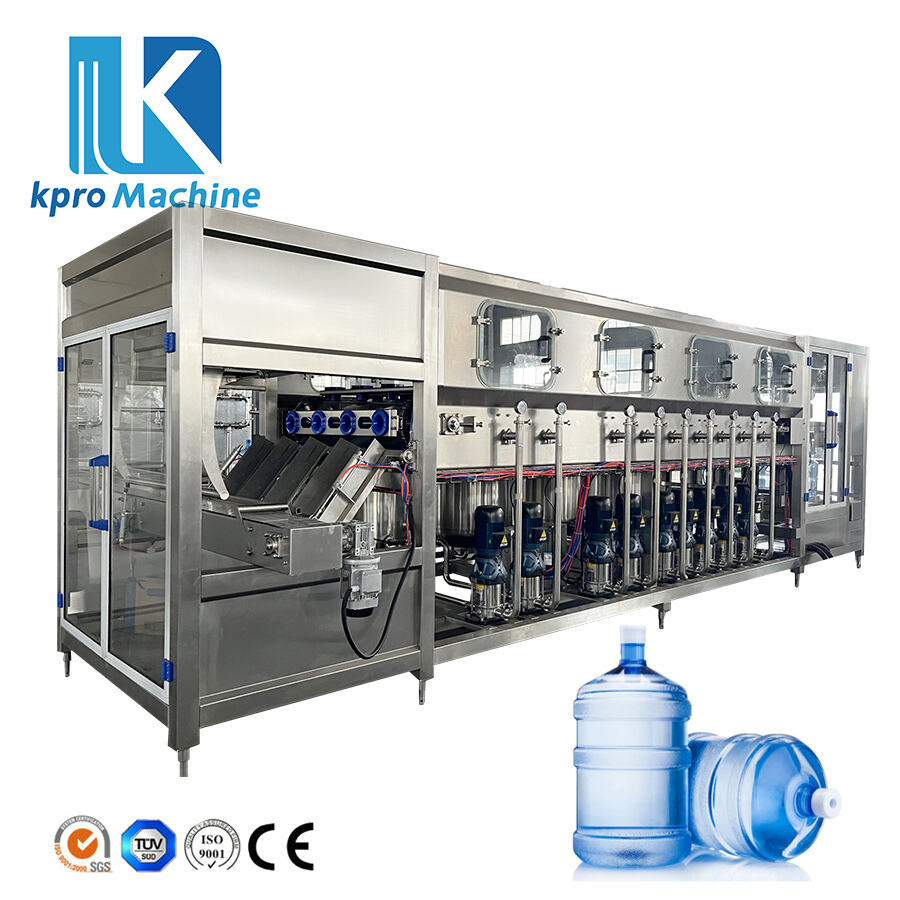
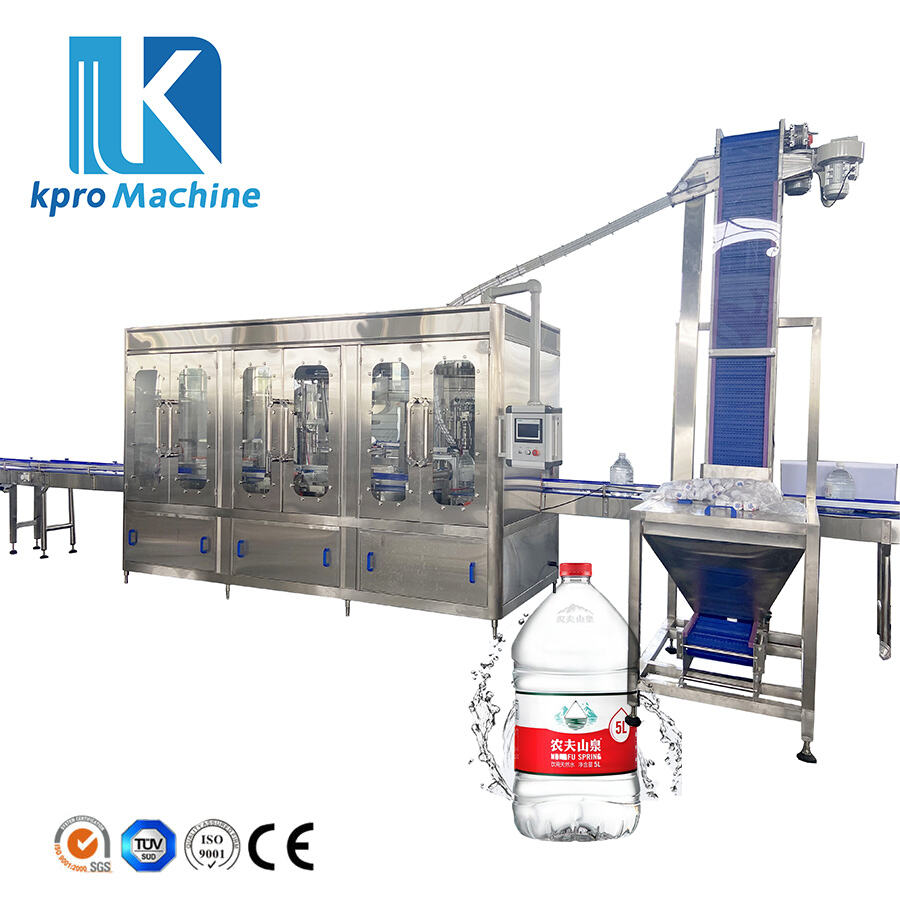
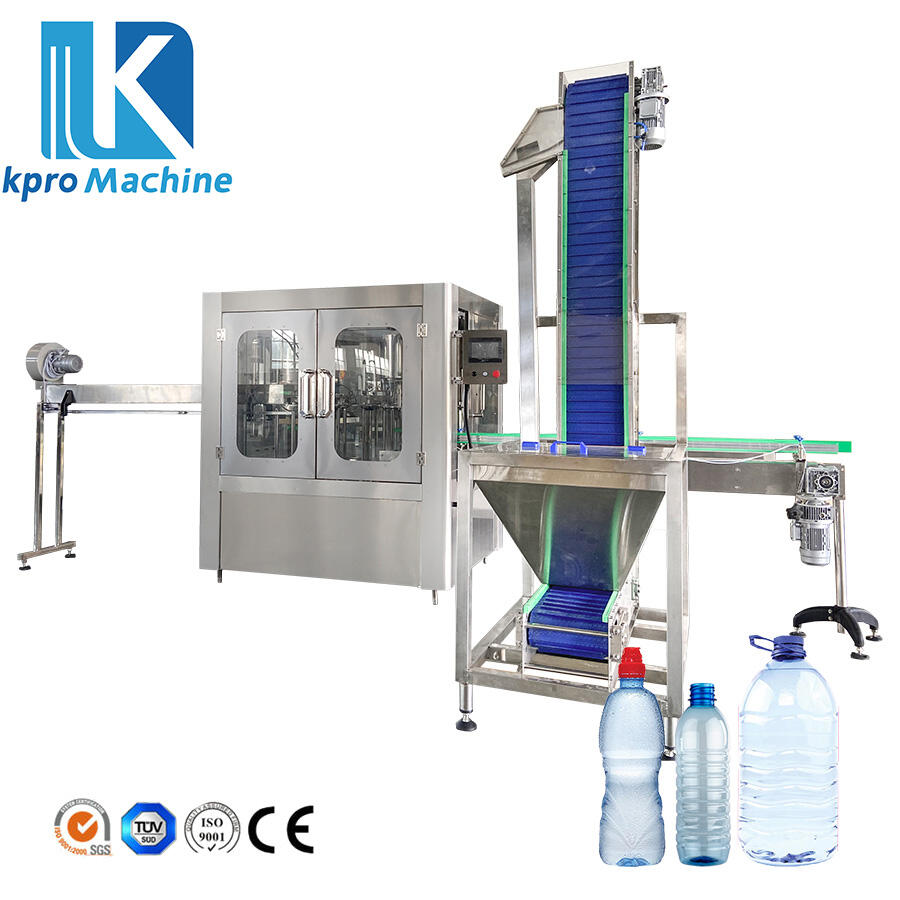
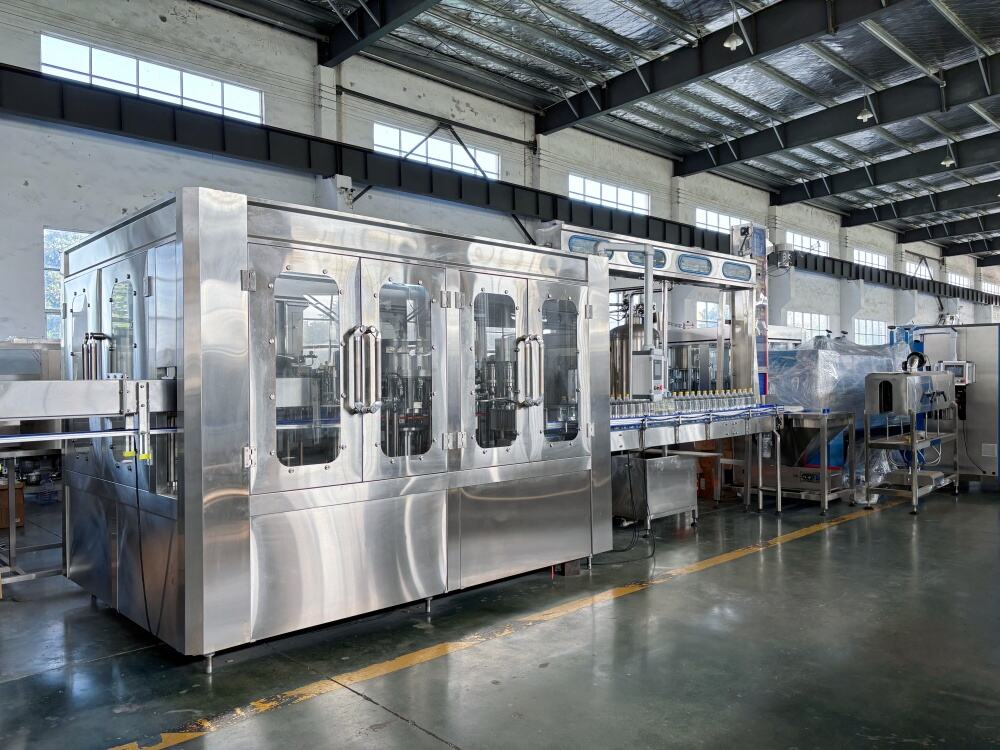
A modern water bottling line is the engineered backbone of a profitable and hygienic packaging operation, transforming raw water into a consistently safe, market-ready product. This integrated system—typically comprising an air conveyor, rinser, filler, capper, labeler, and packer—eliminates manual handling to ensure both speed and sterility. Its primary application is to guarantee fill-level accuracy, secure sealing, and total prevention of contamination during the packaging of still, sparkling, or purified water. For any producer, from a local spring water source to a major brand, this seamless automation is fundamental to achieving the throughput and quality control required to compete in the competitive bottled water market.
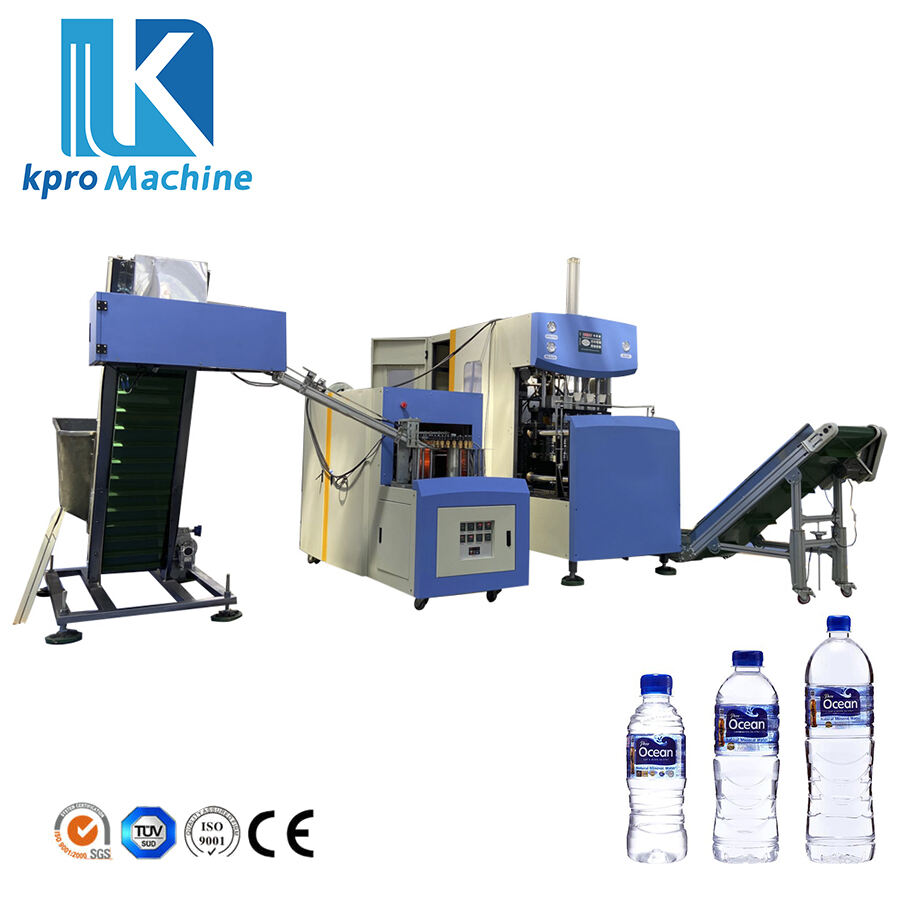
The flexibility of a contemporary water bottling line allows it to serve a diverse range of business models and product types. For small-to-mid-sized enterprises, a compact monobloc system (combining rinsing, filling, and capping) offers a cost-effective entry into high-volume production, enabling rapid scaling from local to regional distribution. For large-scale manufacturers, a high-speed rotary filling line with 40 or more nozzles becomes essential, capable of handling tens of thousands of bottles per hour while integrating seamlessly with blow-molding systems for a full "bottle-to-pallet" operation. These lines can be quickly reconfigured to accommodate various bottle sizes—from small 250ml units to large 5-gallon jugs—and materials, primarily PET, but also glass for premium offerings.
The future of water bottling is intelligent and sustainable. Next-generation lines are equipped with smart sensors and centralized PLC controls that provide real-time data on output, efficiency (OEE), and maintenance needs, enabling predictive upkeep and drastic reductions in downtime. Simultaneously, sustainability is a core design principle, with new systems focusing on reducing water waste during rinsing, lowering energy consumption, and specifically engineering to handle lightweight and 100% recycled PET (rPET) bottles without compromising line stability. Investing in an advanced water bottling line is therefore a strategic move to future-proof an operation, positioning a brand for growth that is not only profitable but also environmentally responsible and resilient to market demands.
 EN
EN