Yucai Industry Area, Sanxin Town Zhangjiagang City, Suzhou, Jiangsu, China +8618205059585 [email protected]
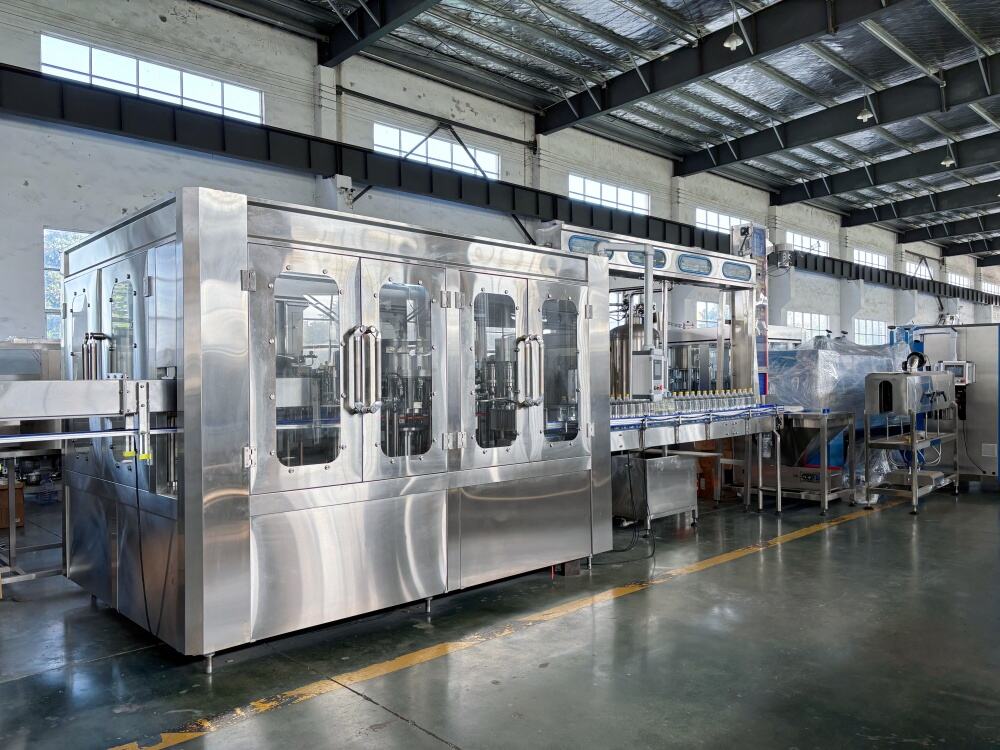
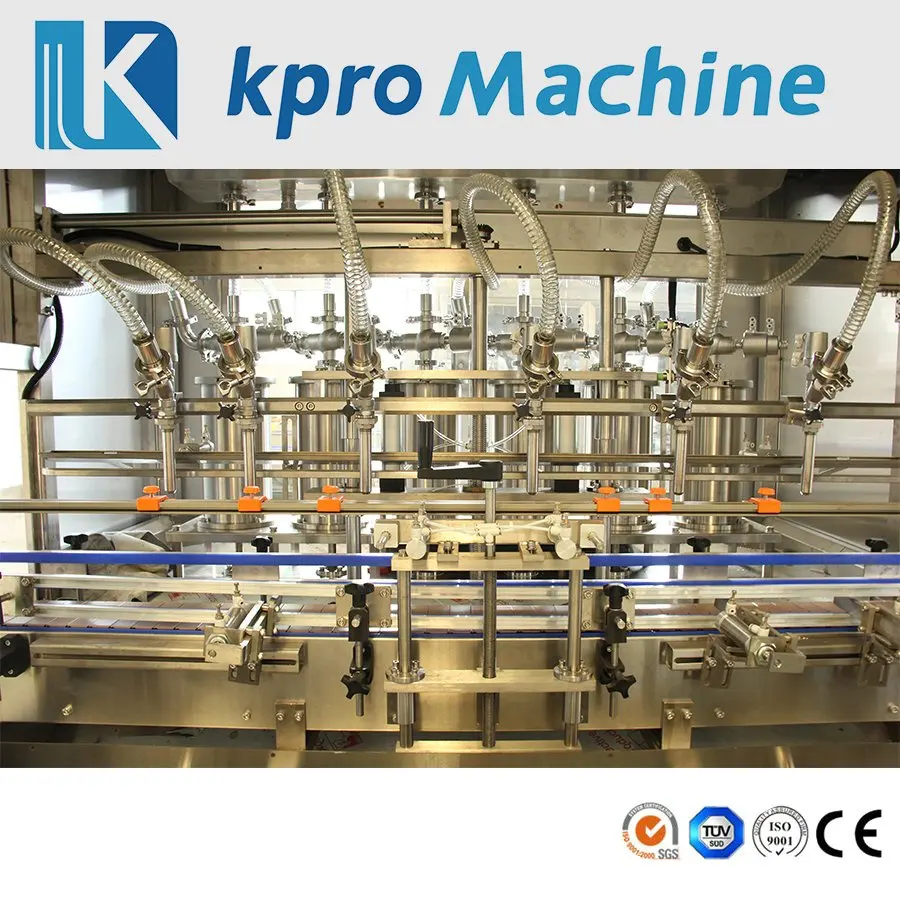
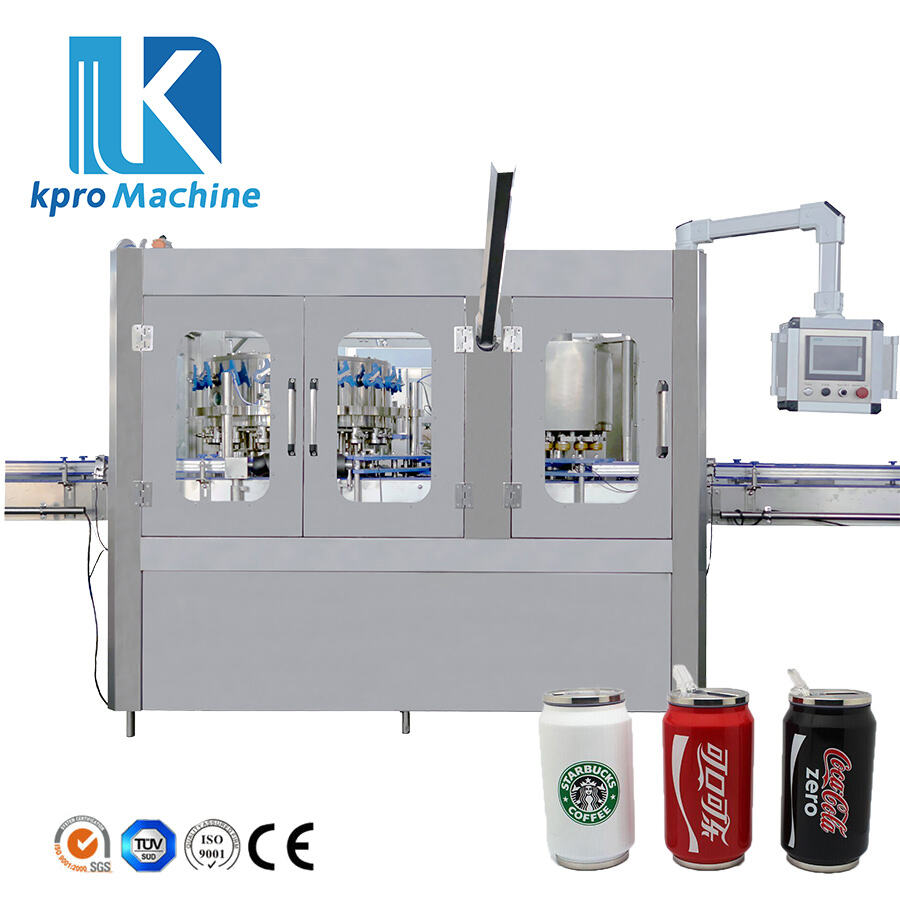
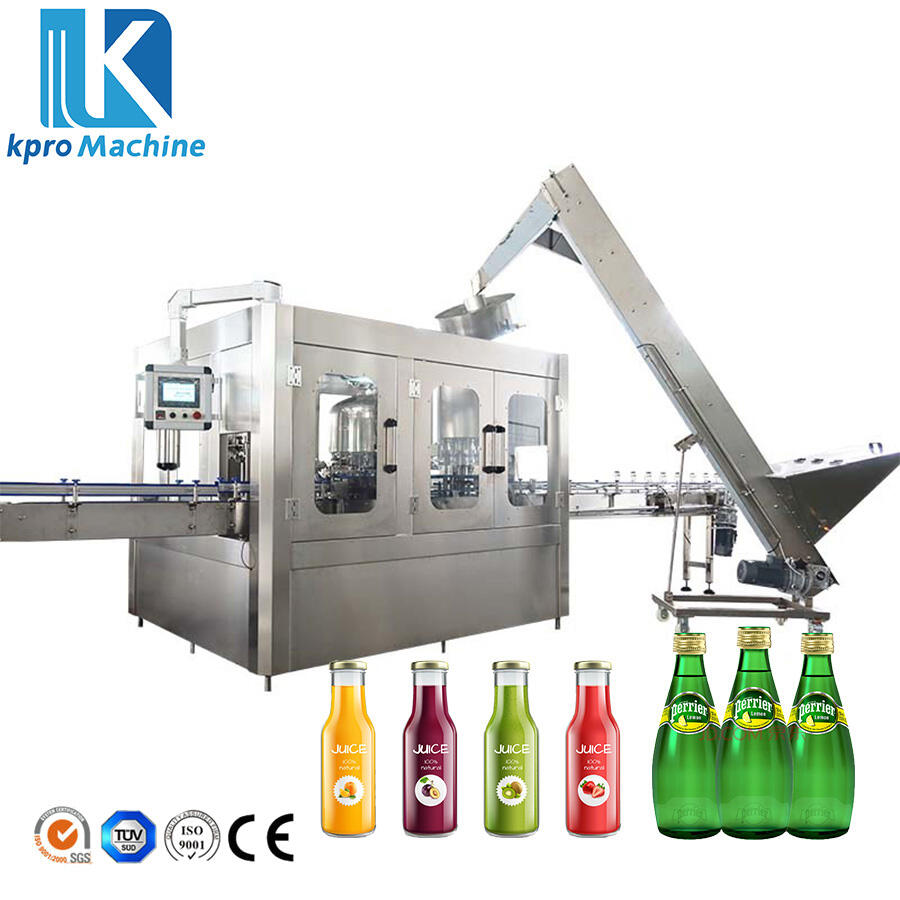
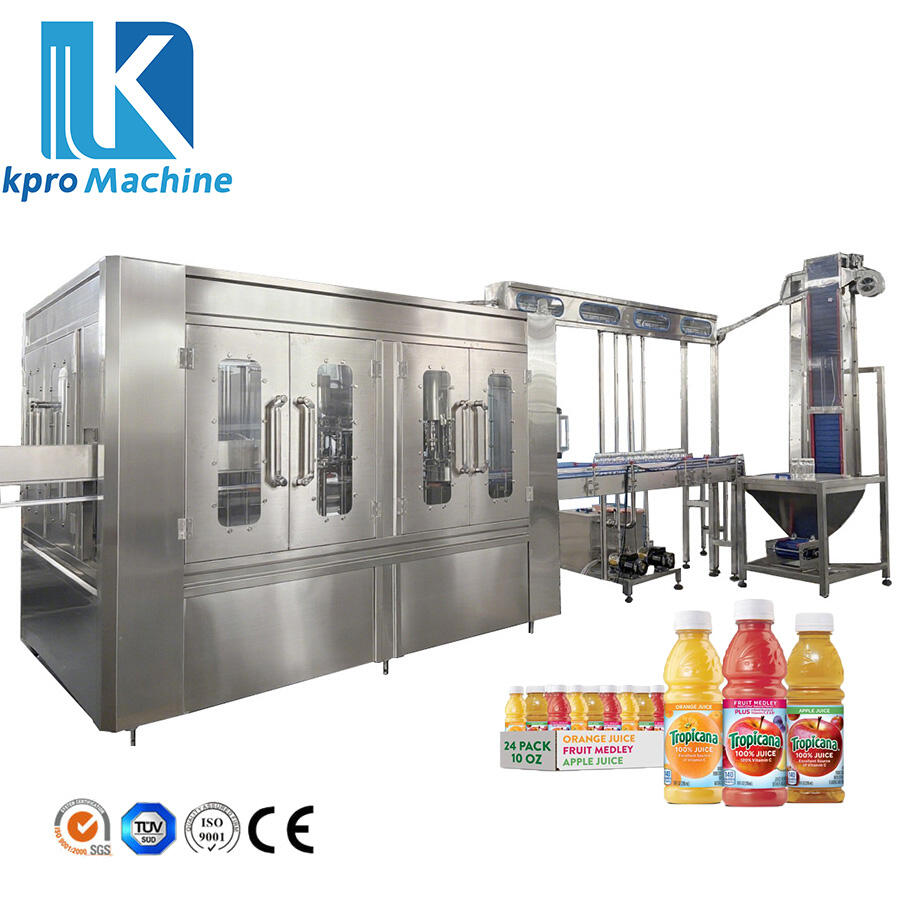
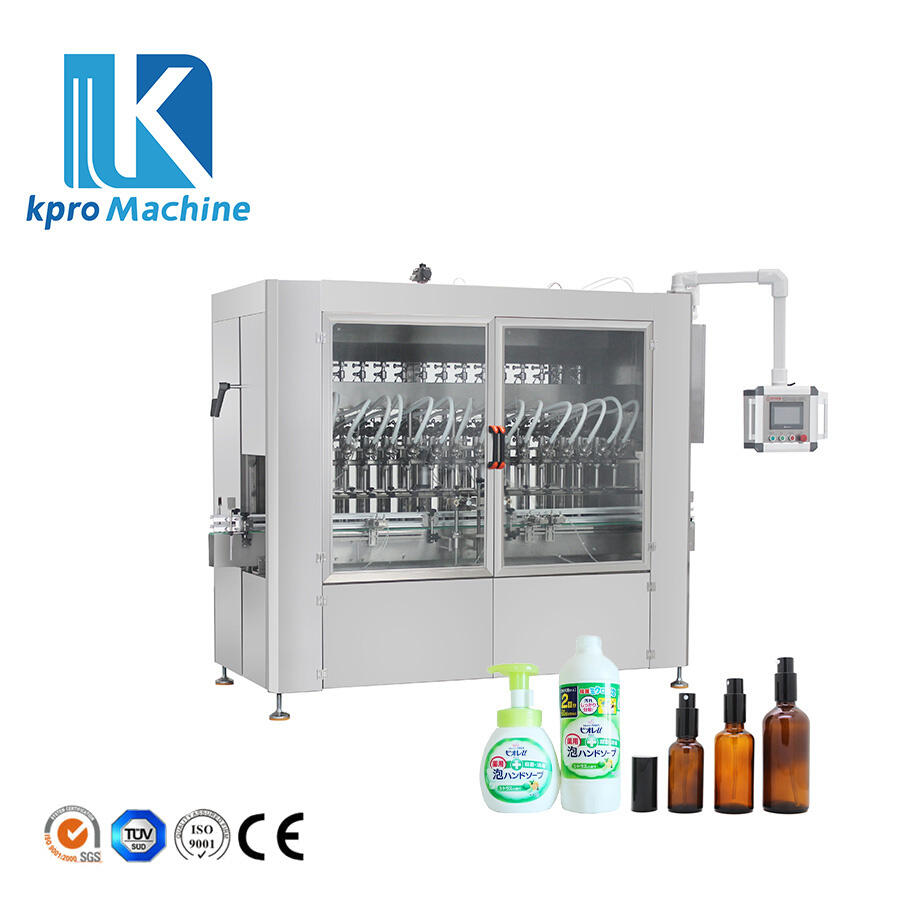
The most significant prospect for liquid filling machines lies in their unparalleled versatility and adaptability across countless industries. From food and beverage (sauces, oils, juices) to pharmaceuticals (syrups, tonics) and chemicals (solvents, lubricants), these machines are the backbone of modern packaging lines. The future is not just about filling but about smart, flexible systems that can handle a rapid SKU changeover—switching from filling thick shampoo to watery sanitizer with minimal downtime. This agility is critical for manufacturers to respond to fast-changing market demands and the rise of small-batch, artisanal products.
A major growth area is driven by the global emphasis on sustainability and stringent hygiene standards. Advanced liquid filling machines are being engineered to minimize waste through precision filling, reducing product giveaway and saving costs. In the pharmaceutical and cosmetic sectors, the integration of clean-in-place (CIP) and sterilize-in-place (SIP) systems ensures absolute purity for sensitive products. The prospect here is the convergence of efficiency and responsibility, where these machines not only boost profitability but also help companies meet their ESG (Environmental, Social, and Governance) goals and regulatory requirements.
The future of liquid filling is intelligent and data-driven. The next generation of machines will be equipped with IoT sensors and AI-powered vision systems for real-time monitoring of fill levels, cap placement, and defect detection. This allows for predictive maintenance, preventing unplanned downtime and ensuring consistent, flawless quality control. For businesses, this means a transition from a simple packaging tool to a central data hub on the factory floor, optimizing the entire production chain, reducing operational costs, and delivering a perfect product every time.