Unlocking Efficiency: Understanding Your Investment in a Liquid Filling Machine
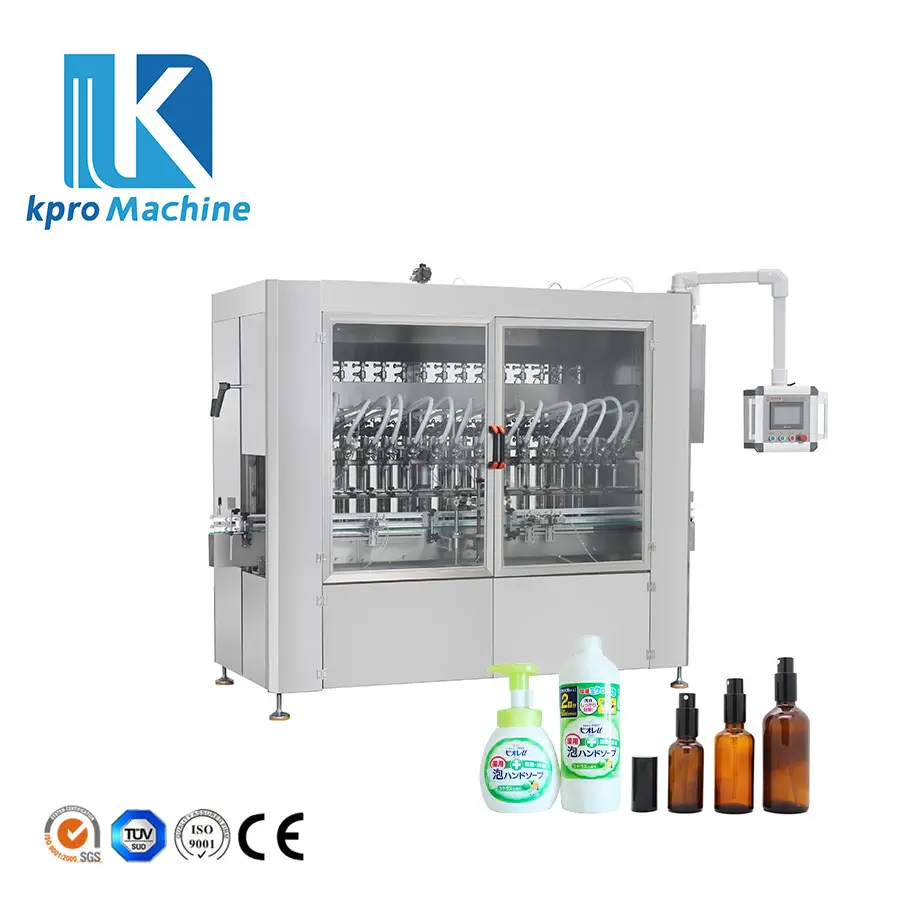
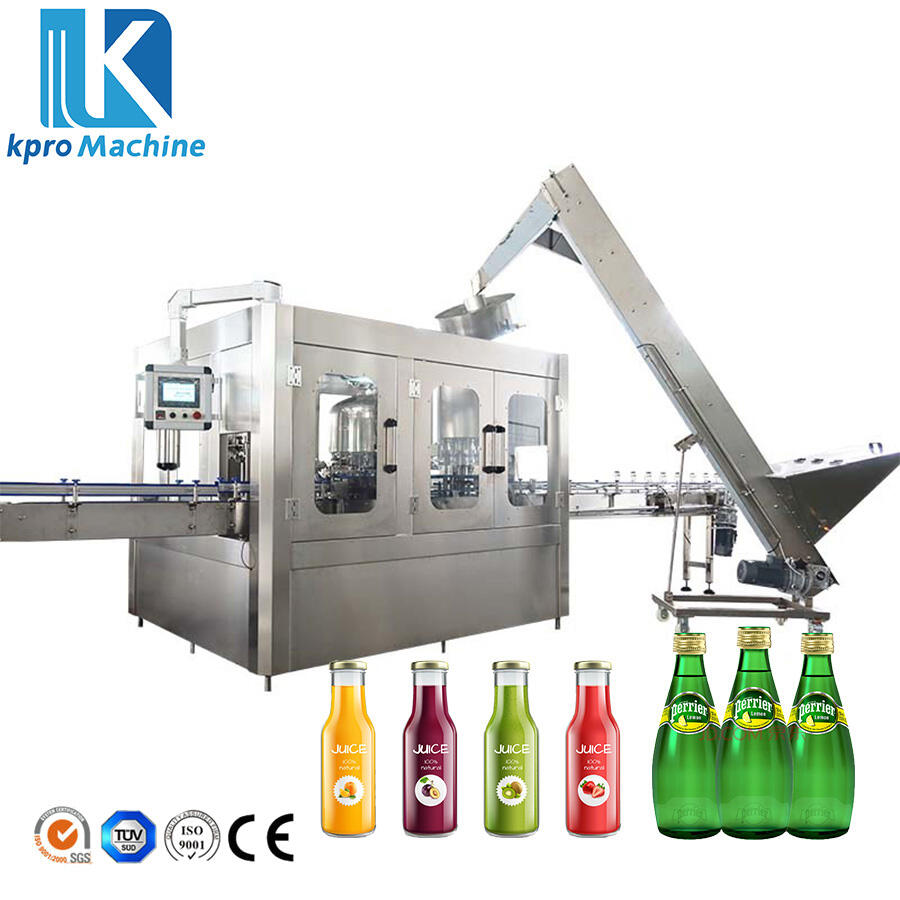
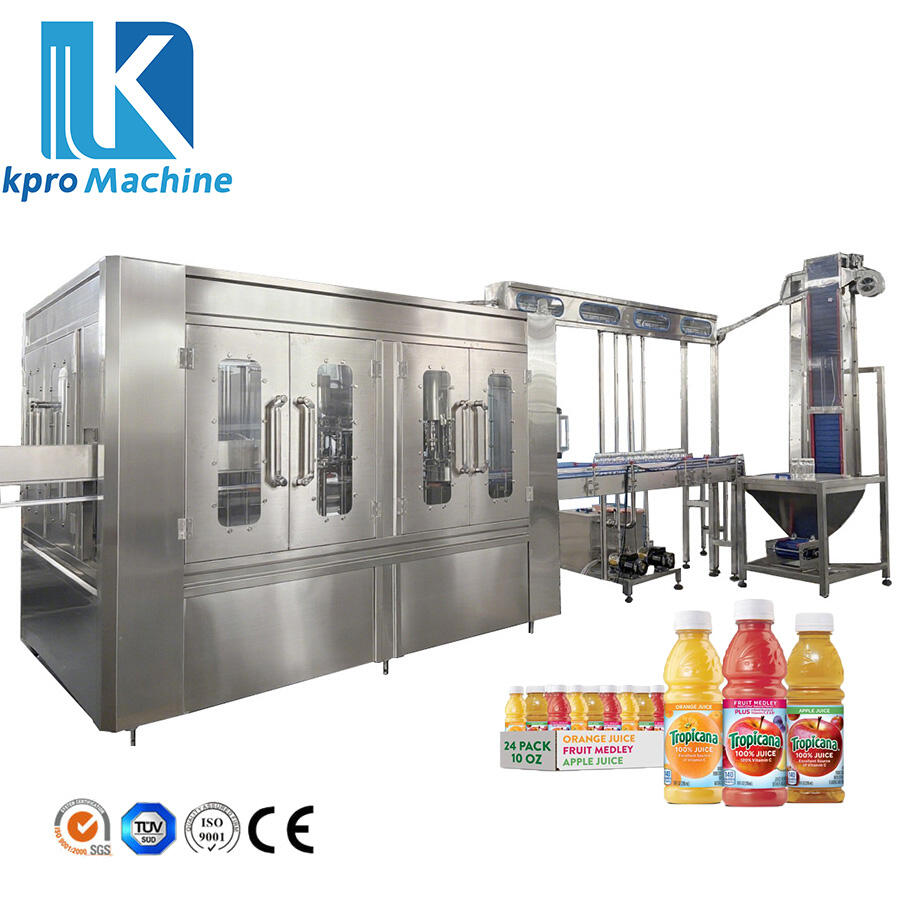
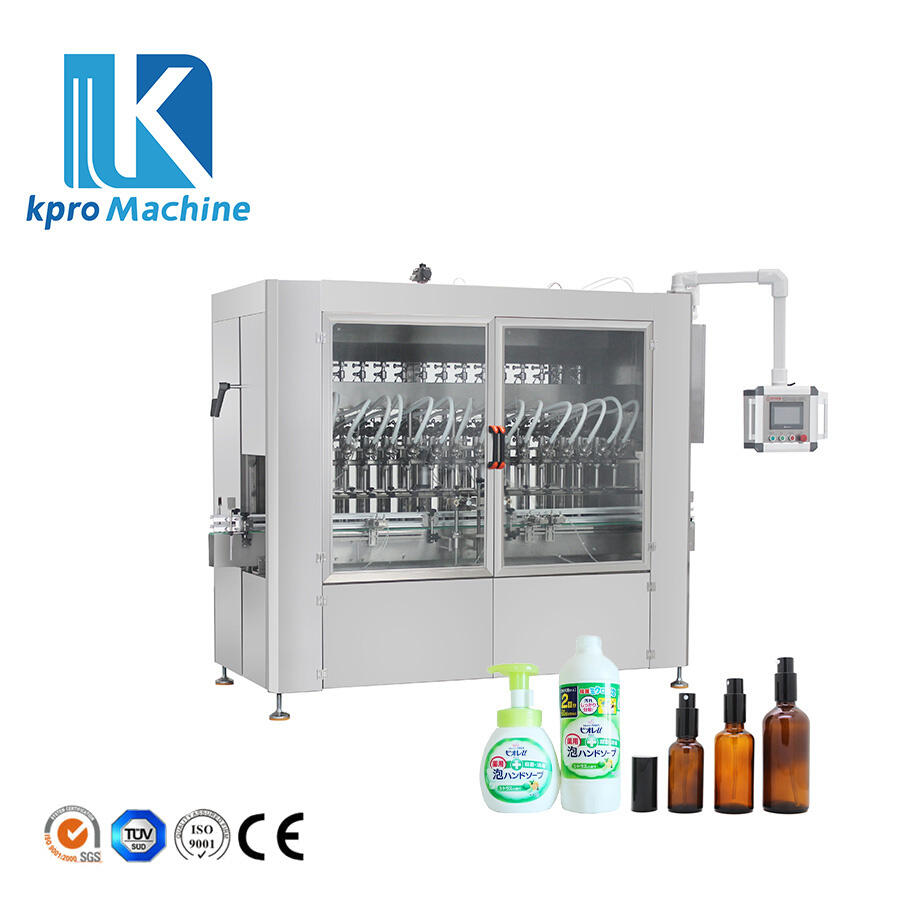
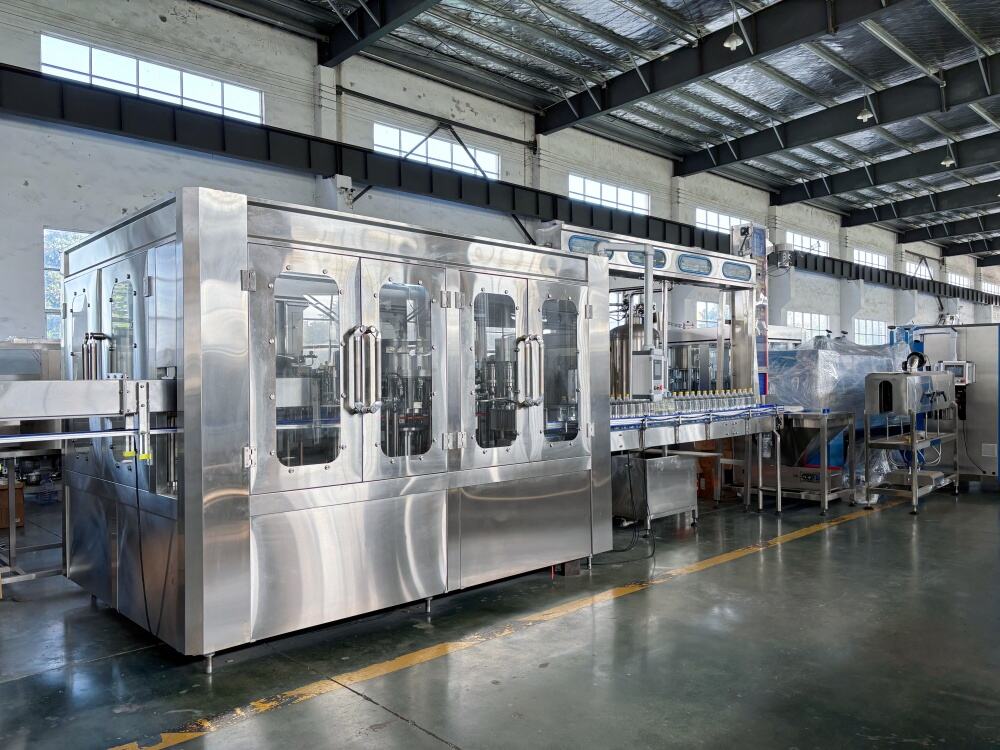
The search for a "liquid filling machine price" is more than just a cost inquiry; it's the first step toward industrial automation. The application prospects for this technology are vast and critical to modern manufacturing. From the food and beverage industry ensuring precise fill levels for sauces and juices, to the pharmaceutical sector requiring sterile, accurate dosing of medicines and vaccines, these machines are the backbone of production. The cosmetics sector relies on them for perfumes, lotions, and creams, while the chemical industry uses them for everything from household cleaners to industrial lubricants. Essentially, any business that packages a liquid product stands to gain immense operational benefits, making the initial price point a strategic investment into scalability, consistency, and brand integrity.
Beyond industry-specific uses, the adoption of a liquid filling machine directly addresses universal business challenges, transforming the "price" into a key component of ROI. The primary value lies in radical efficiency gains, slashing labor costs and minimizing human error to drastically increase output and profitability. Furthermore, precision filling eliminates costly product giveaway and ensures 100% compliance with stringent trade regulations, protecting your bottom line and your brand's reputation. This automation also enhances workplace safety by reducing employee exposure to potentially hazardous chemicals and repetitive strain injuries, creating a more sustainable and productive operational environment.
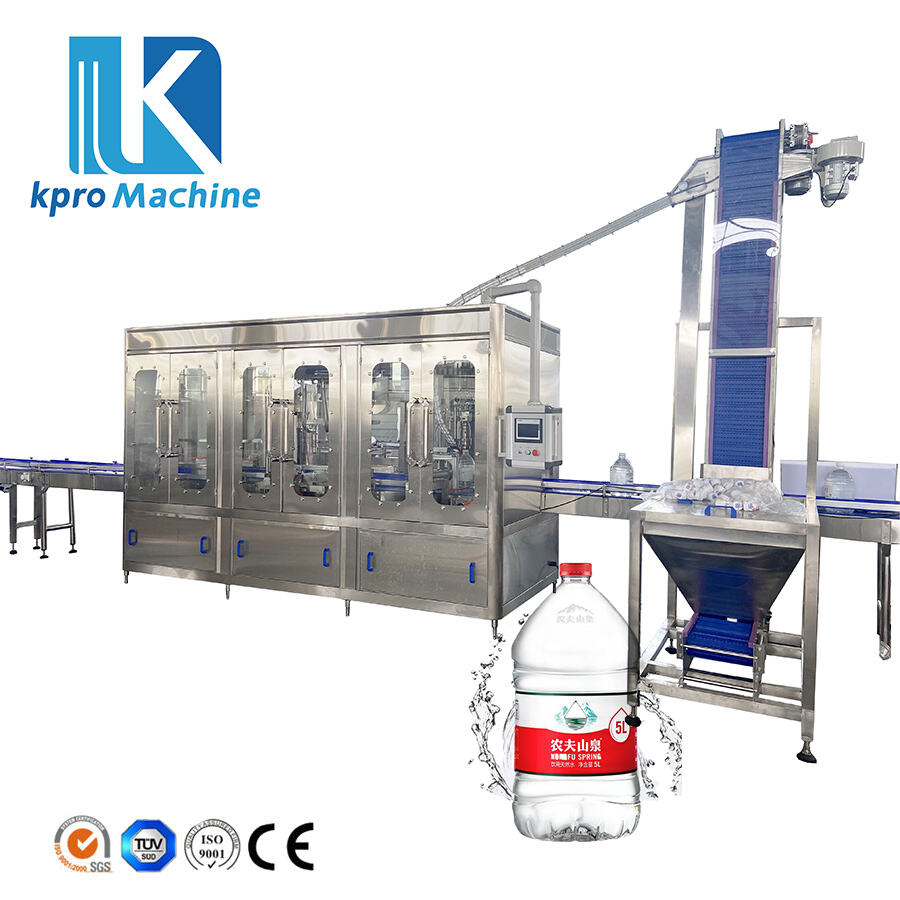
Looking forward, the prospects for liquid filling machinery are evolving with technological trends, making the initial price a gateway to future-proofing your business. Modern machines are increasingly integrated with Industry 4.0 capabilities, featuring IoT sensors for real-time monitoring of output, OEE (Overall Equipment Effectiveness), and predictive maintenance alerts. The flexibility of new systems allows a single machine to handle everything from watery viscosities to thick pastes, facilitating quick changeovers for small-batch production runs. This agility, combined with data-driven insights, positions a liquid filling machine not as a mere expense, but as a central pillar for building a smarter, more responsive, and highly competitive manufacturing operation.
 EN