Drive Fizz & Profit: The Versatile Applications of a Modern Soda Filling Machine
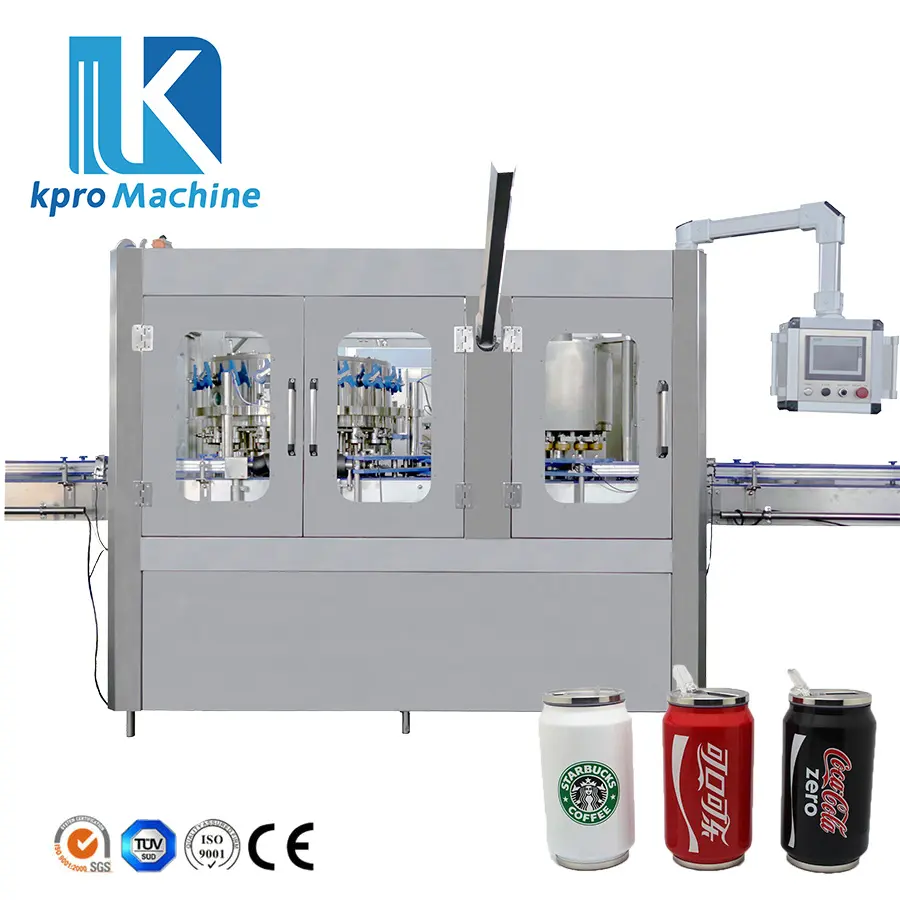
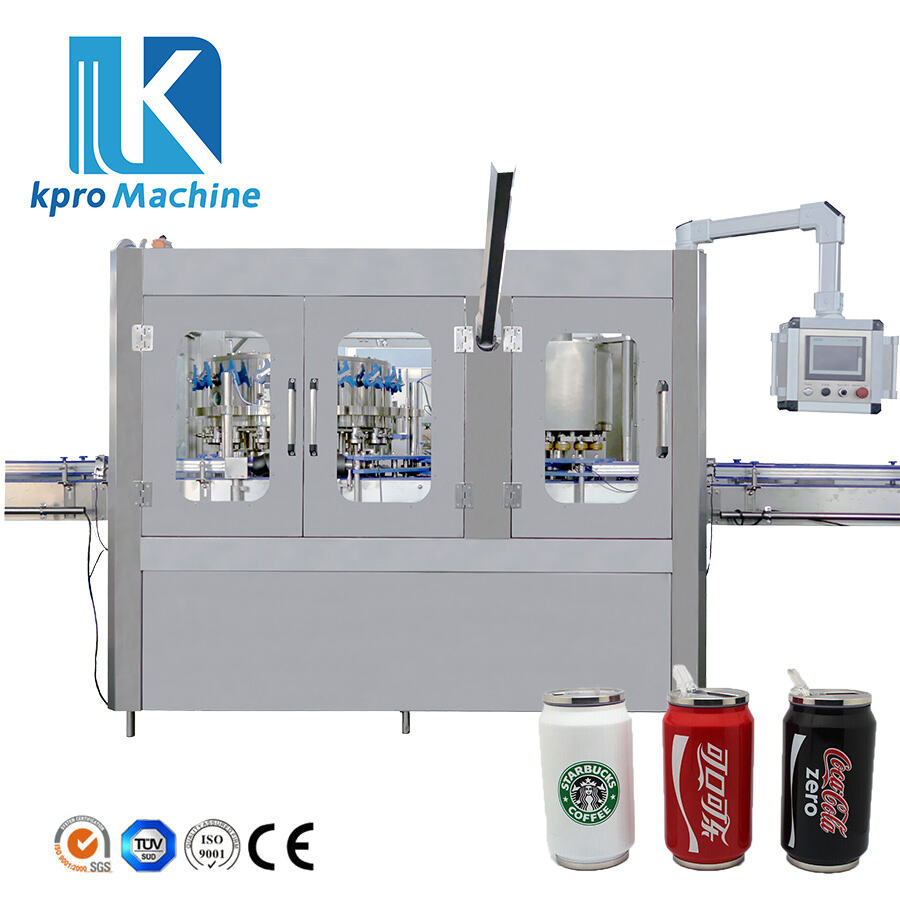
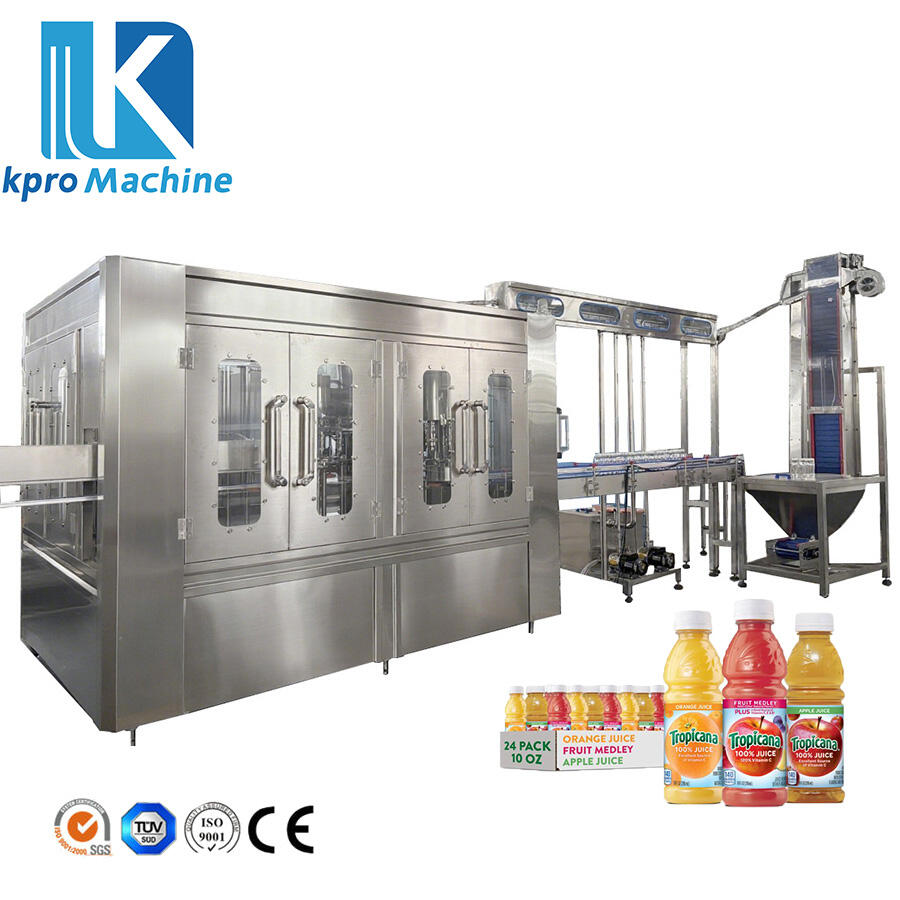
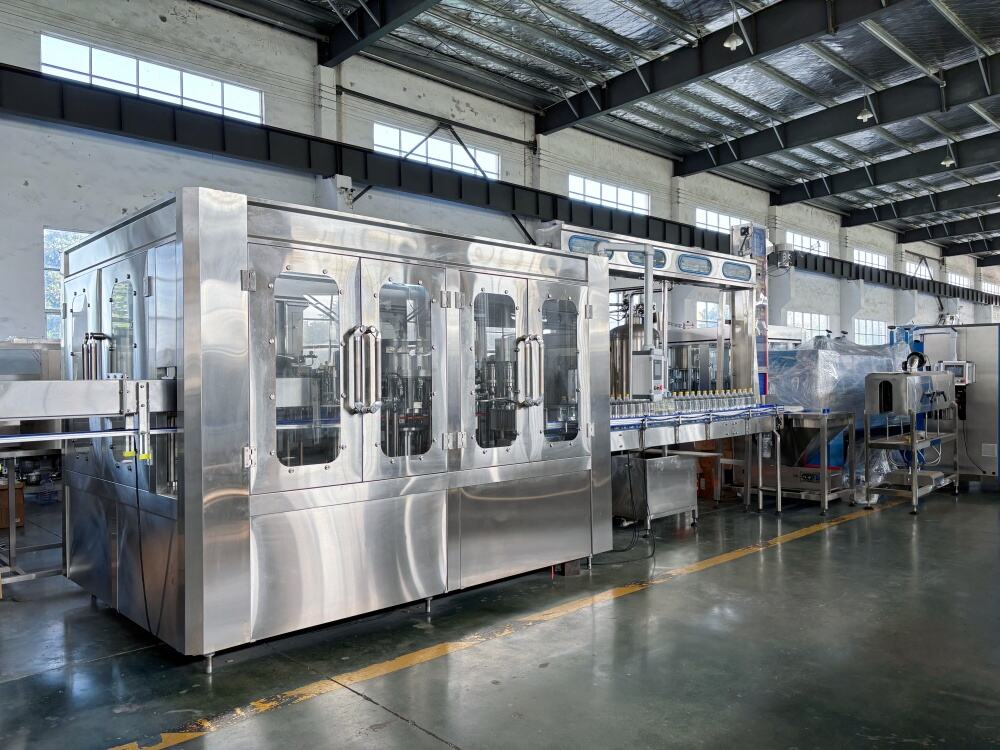
A modern soda filling machine is the core of any carbonated soft drink (CSD) production line, built for speed, accuracy, and hygiene. Its primary application is the high-volume bottling and canning of classic sodas, ensuring precise carbonation levels and consistent fill volumes to protect brand identity and minimize costly product giveaway. These machines are engineered to handle the specific challenges of carbonated beverages, such as counter-pressure filling, which prevents foaming and preserves the drink's signature fizz from the filler to the consumer's hand. This makes them indispensable for global brands and regional bottlers aiming for maximum efficiency and output in a competitive market.
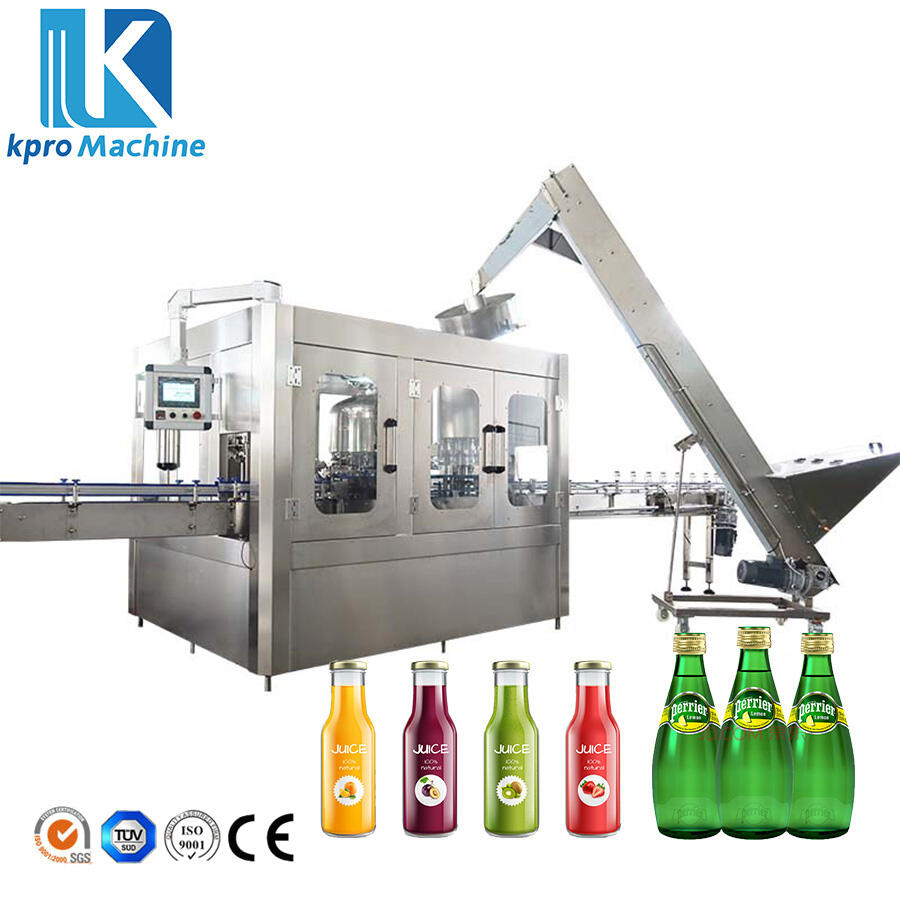
The versatility of these machines extends far beyond traditional colas and lemon-limes, powering innovation in the booming beverage sector. They are perfectly suited for the fast-growing craft soda market, allowing small-batch producers to scale up with professional-grade packaging. Furthermore, the same technology seamlessly adapts to filling other popular carbonated products, including sparkling waters, tonic water, hard seltzers, and even non-alcoholic mixers. This flexibility empowers brands to diversify their portfolios and quickly capitalize on new consumer trends, such as low-sugar options and functional sparkling drinks, using a single, adaptable production asset.
Looking ahead, the next generation of soda filling machines integrates smart technology and sustainable practices to future-proof operations. With IoT sensors and data analytics, producers gain real-time insights into line efficiency, enabling predictive maintenance and minimizing unplanned downtime. From an environmental and cost standpoint, advanced fillers are designed to reduce water and energy consumption, minimize CO2 loss, and handle lightweight, recycled PET and aluminum packaging. Investing in such an intelligent and efficient system is no longer a luxury but a strategic necessity for reducing operational costs, meeting sustainability goals, and staying competitive in the dynamic beverage industry.
 EN
EN