
Yucai Industry Area, Sanxin Town Zhangjiagang City, Suzhou, Jiangsu, China +8618205059585 [email protected]
Understanding Water Filler Machine Price: A Guide to Value Across Applications
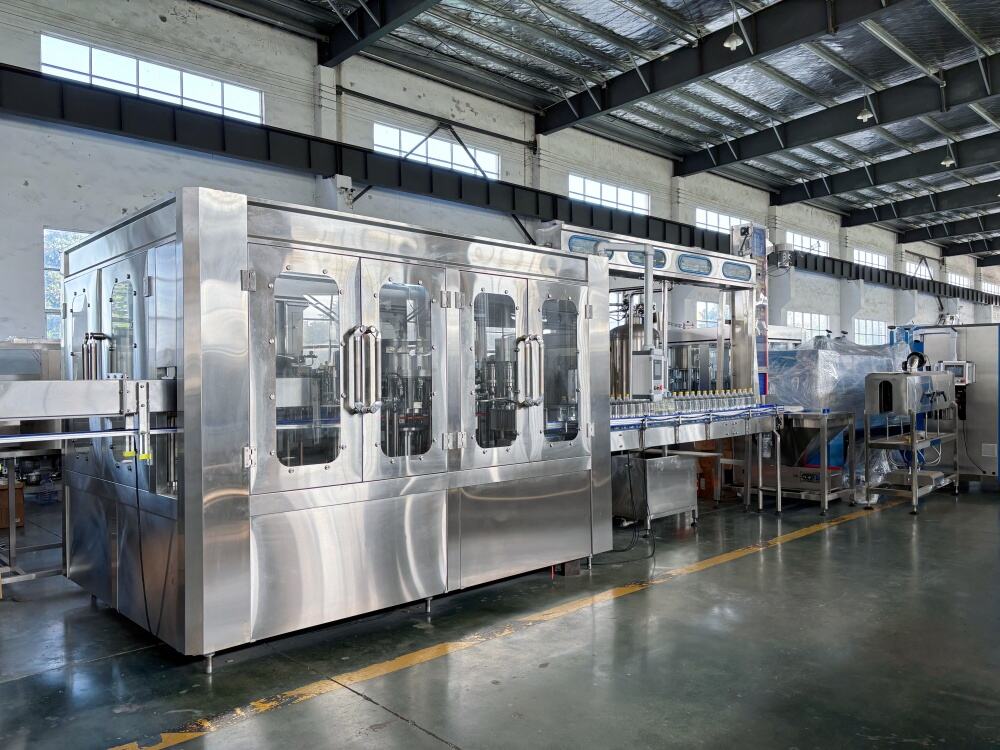
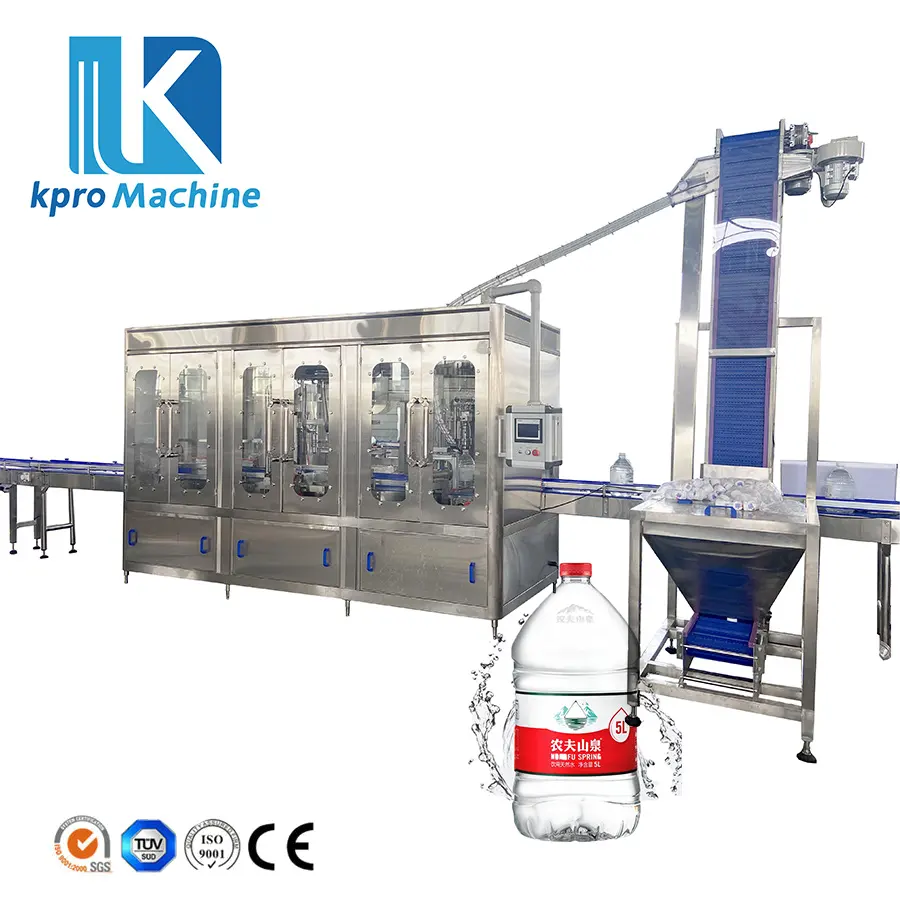
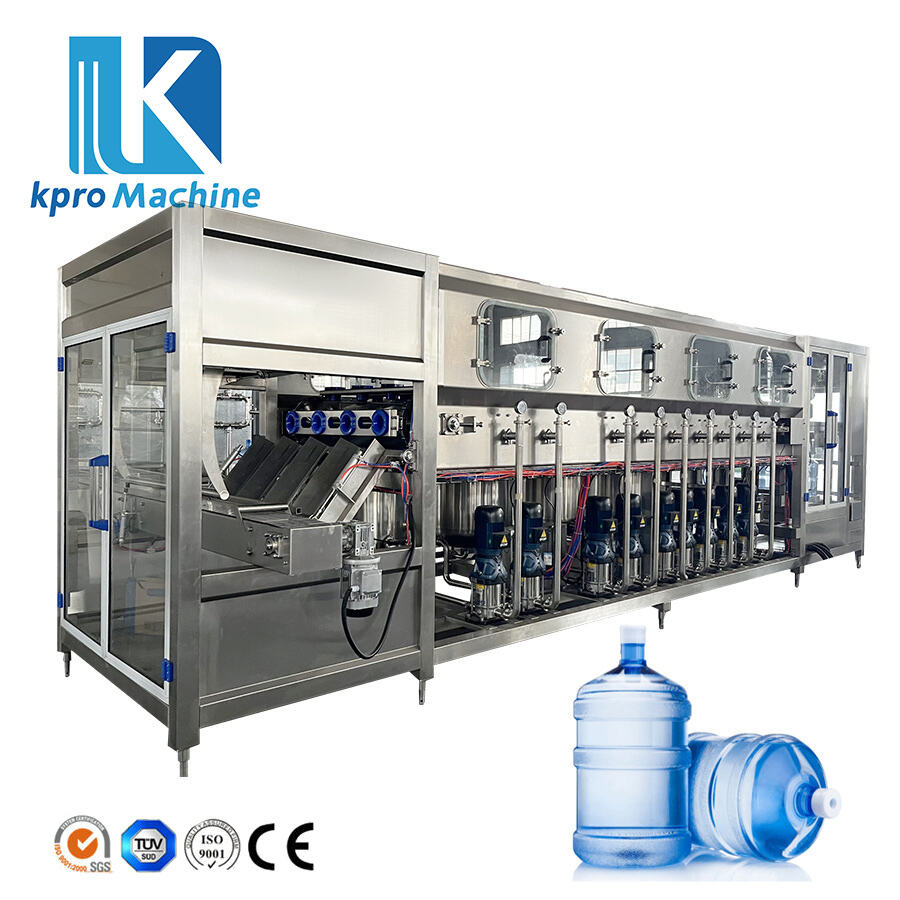
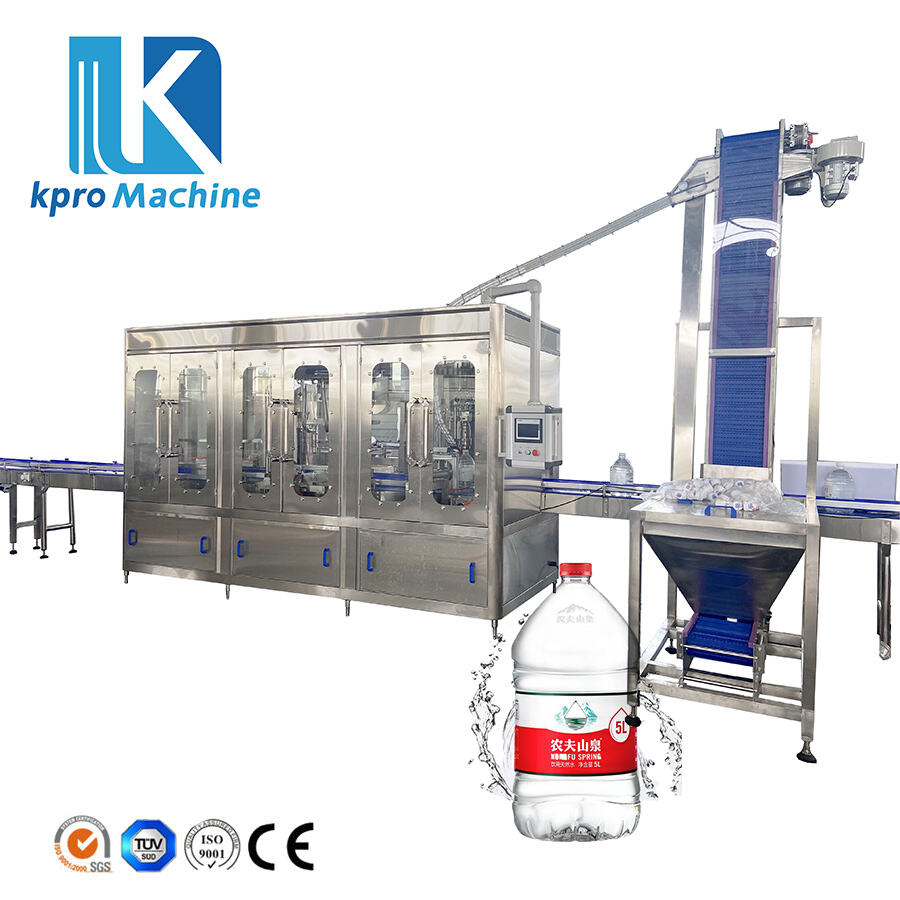
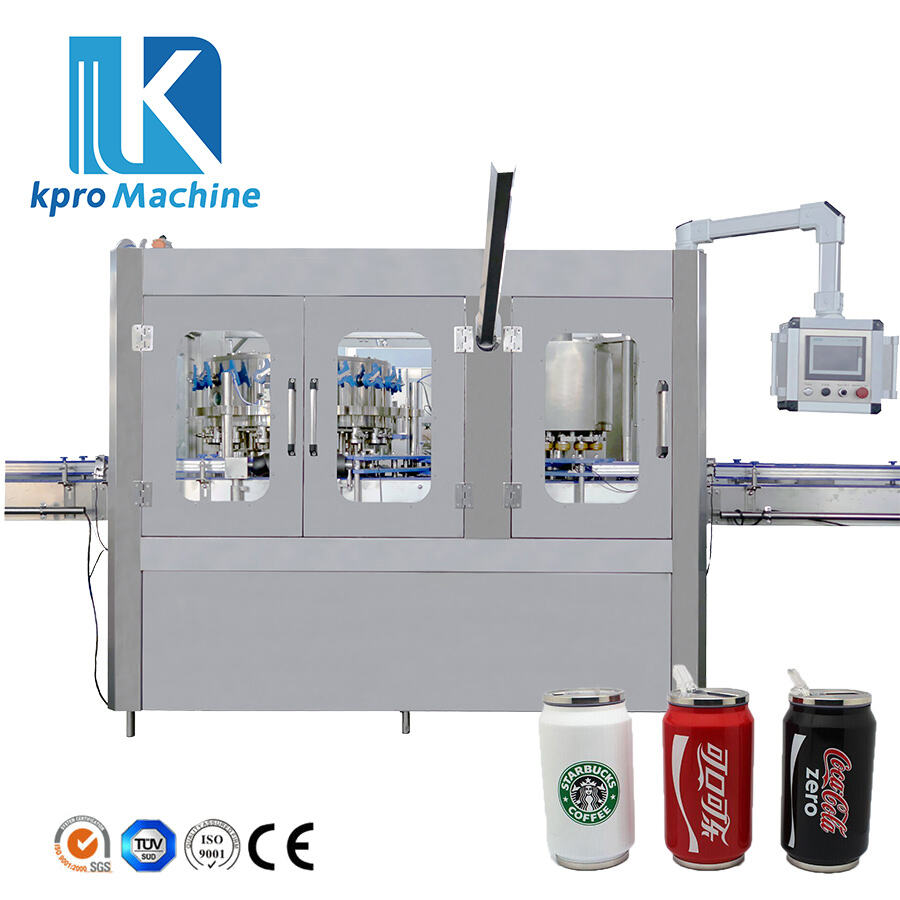
The investment in a water filler machine is fundamentally driven by its core application in commercial beverage production. The price of a water filler machine reflects its capability to serve as the backbone of a bottling line for purified, spring, and mineral water. High-volume operations require fully automated systems with integrated rinsing, capping, and labeling, which command a higher initial price but deliver a rapid return on investment through unmatched speed, accuracy, and labor savings. For businesses focused on producing bottled water at scale, the machine's price is directly tied to its ability to ensure hygienic standards and maximize output for the retail market.
The versatility of a water filler machine significantly influences its price and value proposition beyond standard water bottling. Machines configured to handle diverse products—such as carbonated soft drinks, viscous juices, or cooking oils—involve more complex technology (like pressure-sensitive fillers) and higher-grade materials, impacting the overall cost. Therefore, the price must be evaluated against the machine's adaptability. A higher-priced, versatile model can be a more strategic purchase than a basic unit, as it allows a business to diversify its product line and capture new revenue streams without investing in entirely separate equipment.
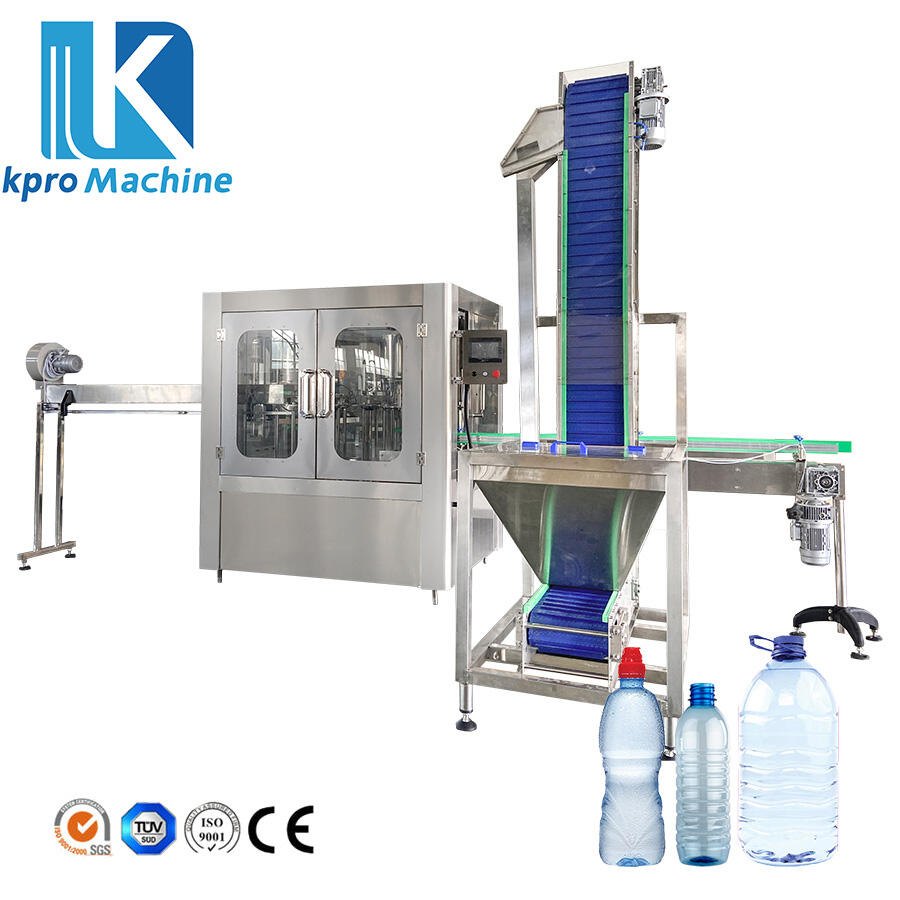
For small businesses and the growing sector of public water stations, the price of a compact or semi-automatic water filler machine opens the door to operational efficiency and sustainability. The cost of these smaller-scale units is a crucial consideration for startups, contract bottlers, or organizations installing point-of-use filling stations in airports, schools, and offices. In these contexts, the machine's price is justified by its role in enabling local production, supporting branded water offerings, or reducing single-use plastic waste by facilitating reusable bottle refills. This makes the technology accessible and financially viable for a wider range of applications focused on community hydration and environmental goals.