 EN
EN
Understanding Energy Consumption in Injection Molding Machines
How injection molding machines use energy during operation
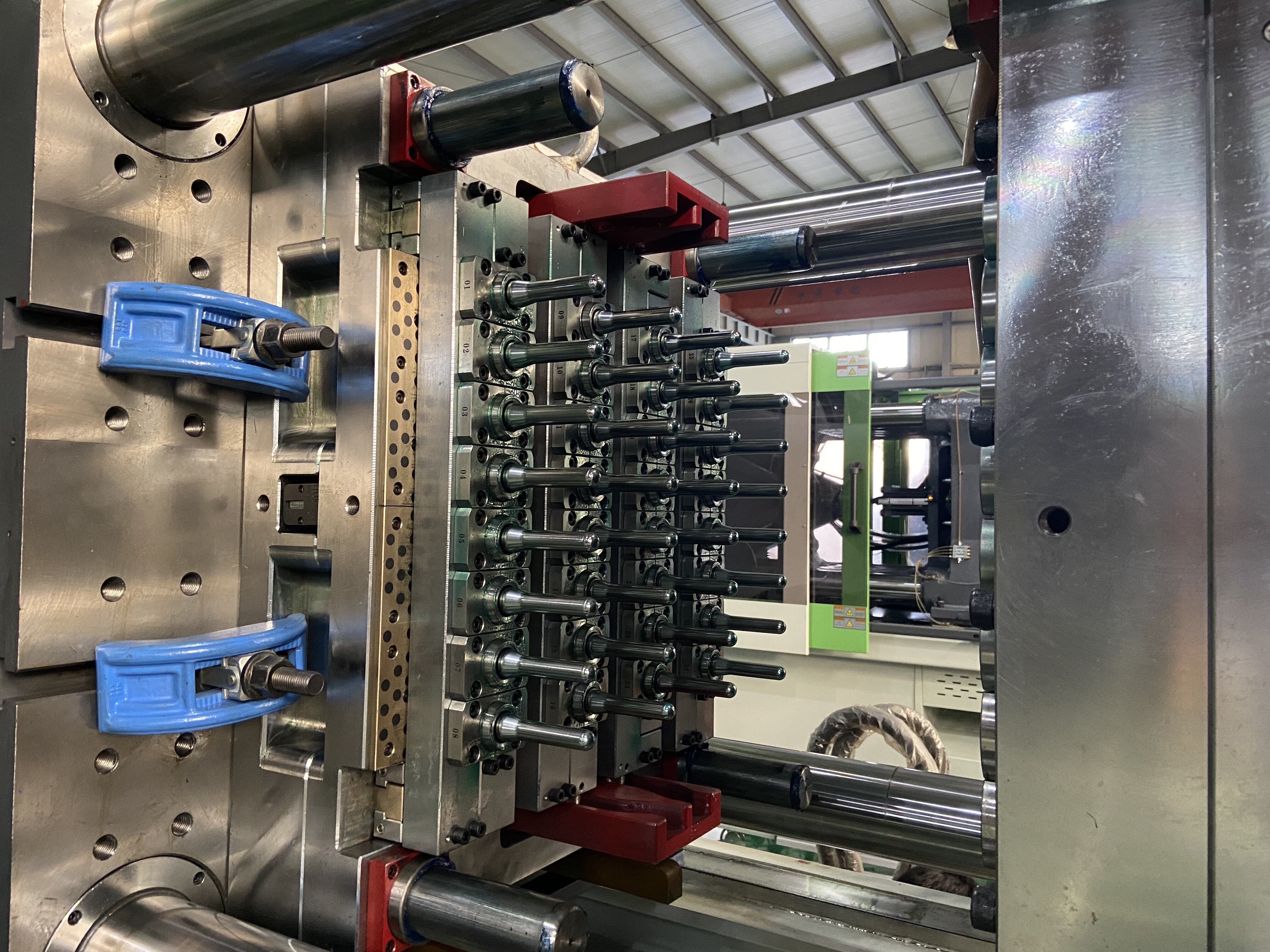
The energy consumption in injection molding happens during several main stages including plasticizing material, injecting it into molds, keeping everything clamped together, and then allowing proper cooling. Motors run either hydraulic pumps or electric servos depending on what kind of system we're talking about here. Meanwhile heaters work hard to keep those barrel temperatures just right for processing plastics, while cooling systems do their part to maintain consistent mold conditions throughout production runs. All these components eat up power as they go through their cycles. What makes things tricky is that these operations require such tight tolerances and constant operation levels. Small problems with efficiency tend to build up over time and result in significant amounts of wasted electricity. When plant managers take a close look at where exactly all this power goes during different parts of the process, they often find plenty of areas worth improving upon to cut down on excess energy spending without sacrificing quality or output rates.
Hydraulic vs. hybrid vs. all-electric: Comparing energy efficiency
When it comes to how much energy a machine actually uses, the drive system plays the biggest role in determining overall efficiency. Most traditional hydraulic systems just keep running all the time, eating up electricity even when they're not doing anything useful, and generally operate at around 40 to 60 percent efficiency. Then there are these hybrid setups that mix electric parts into certain functions, which can bump efficiency up somewhere between 20 and 40 percentage points better than purely hydraulic machines. But if maximum efficiency is what manufacturers want, all electric models are hard to beat. These use those smart servo motors that only kick in when absolutely necessary. The result? Energy usage drops dramatically down to 85 to 95 percent efficiency, with almost no wasted power sitting around doing nothing. That makes them perfect for factories where cutting energy costs matters a lot.
Proven energy savings: Up to 70% reduction with all-electric systems
Moving to all electric injection molding equipment cuts down on power usage quite significantly. According to industry data, factories typically see around 50 to 70 percent less energy consumption when they switch from hydraulic systems, though some operations actually go beyond those numbers. The main reasons for these savings come from better motor efficiency and tighter control during the molding cycles. When operators can fine tune every aspect of the process, it means shorter run times and less wasted material overall. While the upfront cost is definitely higher than traditional models, many plant managers find that their money comes back pretty quickly usually somewhere between two and three years later thanks to lower electricity bills and fewer production hiccups along the way.
Direct Cost Savings from Energy-Efficient Injection Molding Machines
Lowering operational costs through reduced energy consumption
Switching to energy efficient machinery can really slash what companies spend on power costs simply because these machines consume far less electricity overall. Take all electric systems as a case in point they typically eat up about 70 percent less power compared to old fashioned hydraulic equipment. That means businesses see their monthly utility invoices drop dramatically, which matters a lot for factories operating at full tilt day after day. The benefits go beyond just saving money too. When companies cut back on energy consumption, they automatically reduce the carbon footprint tied to generating that power. Many manufacturers are now making this transition not only for financial reasons but also to meet growing expectations around environmental responsibility from customers and regulators alike.
Case study: Annual savings in a mid-sized manufacturing facility
One mid sized auto parts maker recently swapped out five old hydraulic machines for new electric versions and cut down on energy use by around 480,000 kWh each year. With regular industrial power prices, that means saving about $57,600 yearly just on electricity bills. Plus, since these electric machines don't run as hot, they put less strain on the factory's cooling systems, which adds another $8k saved every year. Altogether, those $65k plus savings made it clear why investing in more efficient equipment makes good financial sense for expanding throughout other areas of production. The numbers alone tell the story of why many manufacturers are making similar changes these days.
Long-term ROI and whole life costing of energy-efficient machines
When looking at energy efficient machines, people tend to forget about the big picture costs instead of just what they pay upfront. Electric models usually cost around 20 to 30 percent more than regular hydraulic ones, but most businesses find that they save enough on electricity bills and repairs to make up for that extra expense in just two or three years. Once past that initial payback window, these machines keep saving money month after month throughout their entire life cycle. The numbers really add up too sometimes reaching well over 100 grand in savings per machine across ten years. Thinking about it this way makes energy efficiency less about being green and more about smart business planning that actually pays off handsomely in the long run.
Optimizing Machine Settings and Processes to Minimize Energy Use
Fine-tuning process parameters for maximum energy efficiency
Tweaking key process variables like barrel temps, injection pressure levels, and screw speed can cut down on energy consumption somewhere between 15 to maybe 25 percent without messing up part quality. When machines run too hot or under too much pressure, they just waste power. But when everything is set right, the melt stays consistent even though we're putting in less energy overall. Having real time monitoring makes all this possible because it catches when things start going off track. This lets operators make changes before problems happen, which matters a lot during those long production runs that go on for hours at a time.
Reducing cycle times and eliminating idle energy waste
When production cycles get shorter, energy usage per item naturally goes down. Factories that tweak their cooling times and speed up injection processes see real savings here. What many overlook though are those downtime hours. Equipment sitting on standby mode eats away at energy budgets, sometimes taking in around 40% of what they would normally use when running full tilt. Smart manufacturers install automatic shut off systems or switch machines to power saving mode whenever there's a break in operations. This cuts costs without much hassle and makes factories run greener while still keeping productivity levels high.
Balancing automation levels with real energy-saving benefits
When companies bring in automation, they usually get better consistency and faster production rates. However, every extra part or machine tends to eat up more power than expected. What really matters is smart deployment. Focus on areas where automation makes the biggest difference, like maintaining stable temperatures through feedback loops or getting materials into the process just right. Research suggests that finding this sweet spot between too much and too little automation can cut down energy consumption somewhere around 15 to maybe even 30 percent. That's a big deal when looking at long term costs. Manual systems waste time and resources while excessive automation creates problems of its own. Getting the balance right means technology works for us instead of against our bottom line.
Right-Sizing Injection Molding Machines for Optimal Efficiency
Matching machine capacity to product requirements to avoid energy waste
Getting the right machine size for an application is key to avoiding wasted energy from capacity mismatches. Big machines tend to guzzle electricity, particularly when they're clamping or sitting idle, whereas small ones might need extra cycles or extended runtime just to hit production goals. When manufacturers match their shot sizes, clamping forces, and part weights properly against what the machine specs say, they typically save around 15 to 25 percent on energy costs. Proper sizing keeps equipment running where it works best, which means better productivity without burning through unnecessary power. Many shops find this approach pays off quickly in terms of both bottom line savings and reduced environmental impact over time.
Real-world application: Automotive component production efficiency gains
An automotive parts company swapped out three big hydraulic machines for just two smaller electric ones that fit better with what they actually needed to produce. Energy use dropped by around 32 percent without cutting back on production at all. When they fine tuned their processes too, this switch saved them well over $85k each year on electricity bills and cut down carbon dioxide emissions by about 78 tons annually. The whole investment paid itself back within 22 months, showing that picking equipment that matches actual requirements can really boost the value of investing in newer technologies for greener factories.
FAQ Section
How do all-electric injection molding machines save energy compared to hydraulic systems?
All-electric machines use smart servo motors that only operate when needed, significantly reducing energy usage and achieving efficiencies of 85 to 95 percent, compared to hydraulic systems.
What are the direct cost savings of switching to energy-efficient injection molding machines?
Switching to energy-efficient machines can reduce electricity consumption by up to 70%, contributing to lower utility bills and reducing environmental impact.
How can machine settings be optimized to minimize energy use in injection molding?
By fine-tuning process parameters such as barrel temperatures, injection pressures, and screw speeds, energy consumption can be reduced by 15 to 25% without compromising part quality.
Why is matching machine capacity to product requirements important?
Proper machine sizing prevents wasted energy from capacity mismatches, ensuring factories run efficiently without burning excessive power.
What are the main stages of energy consumption in injection molding machines?
Energy consumption in injection molding occurs during stages such as plasticizing material, injecting into molds, clamping, and cooling. Motors, heaters, and cooling systems each play roles in this process.
Table of Contents
- Understanding Energy Consumption in Injection Molding Machines
- Direct Cost Savings from Energy-Efficient Injection Molding Machines
- Optimizing Machine Settings and Processes to Minimize Energy Use
- Right-Sizing Injection Molding Machines for Optimal Efficiency
-
FAQ Section
- How do all-electric injection molding machines save energy compared to hydraulic systems?
- What are the direct cost savings of switching to energy-efficient injection molding machines?
- How can machine settings be optimized to minimize energy use in injection molding?
- Why is matching machine capacity to product requirements important?
- What are the main stages of energy consumption in injection molding machines?