 EN
EN


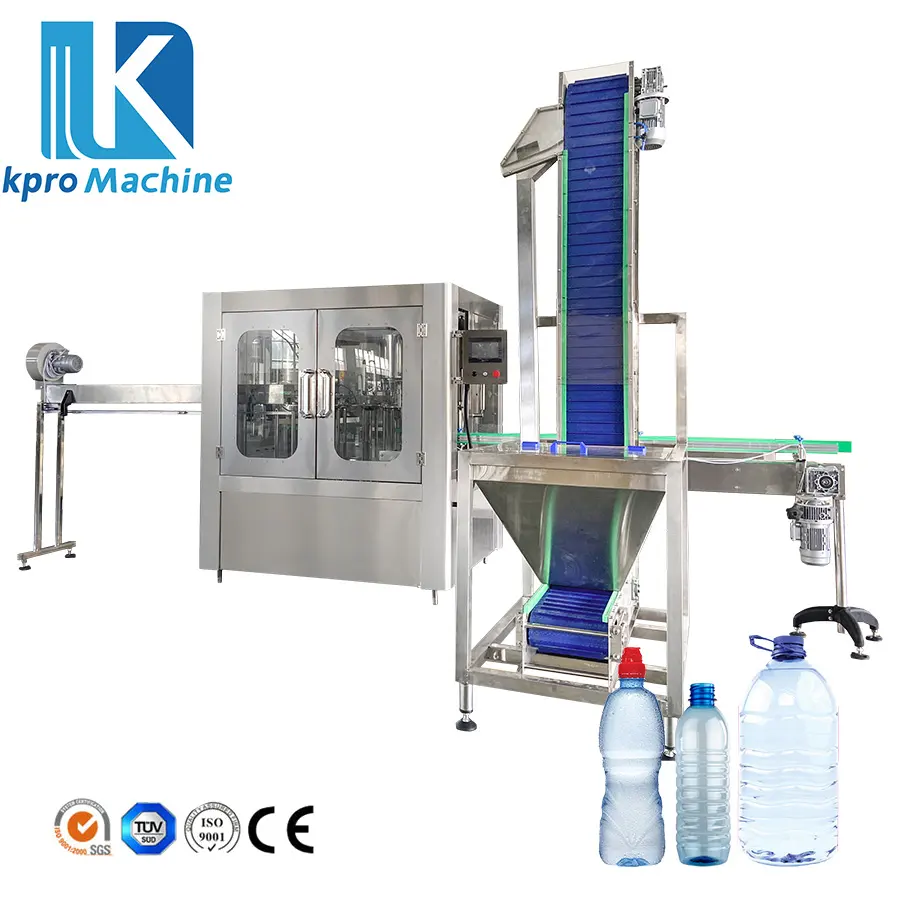
အဖျော်ရည်နှင့် ဘူတ်သုံးရေ လုပုပ်ငန်းတွင် ထုတ်လုပ်မှုအချိန်ကို စံနှုန်းတူညီစေရန် အလွန်အရေးကြီးပါသည်။ ထိုသို့သော အချိန်မှန်မှန် ထုတ်လုပ်မှုသည် ပို့ဆောင်ရေးအချိန်ဇယားများကို ဖော်ထုတ်နေရာများနှင့် အမြတ်အစွန်းကို ထိန်းသိမ်းရေးအတွက် အရေးပါပါသည်။ ရေဖြည့်စက်သည် ဘူတ်သုံးရေ ထုတ်လုပ်မှုလုပ်ငန်းများ၏ အခြေခံအုတ်မြစ်ဖြစ်သော်လည်း အသုံးပေးမှုအကောင်းဆုံးဖြစ်သည့် စက်ကိရိယာများပါ လုပ်ဆောင်မှုပျက်ယွင်းမှုများကို ကြုံတော့မည်ဖြစ်ပါသည်။ ထိုသို့သော ပျက်ယွင်းမှုများသည် ထုတ်လုပ်မှုကို ရပ်တန်းစေပြီး စုစုပေါင်းစရိတ်များကို မြင့်တက်စေပါသည်။ ထိုစနစ်များကို အကောင်းဆုံးထိခိုက်စေသည့် အဖြစ်များသည့် ပြဿနာများကို နားလည်ခြင်းနှင့် အများဆုံးအချိန်အတွင်း ဖြေရှင်းနိုင်ခြင်းသည် သင့်၏ စုစုပေါင်း ပေးပို့ရေးစနစ်ကို ထိခိုက်စေသည့် ရှည်လျားသည့် အချိန်ပိုင်း ရပ်တန်းမှုများနှင့် အနည်းငယ်သော ညှိယူမှုများကြားတွင် ကွာခြားခြင်းကို ဖော်ပြပေးပါသည်။
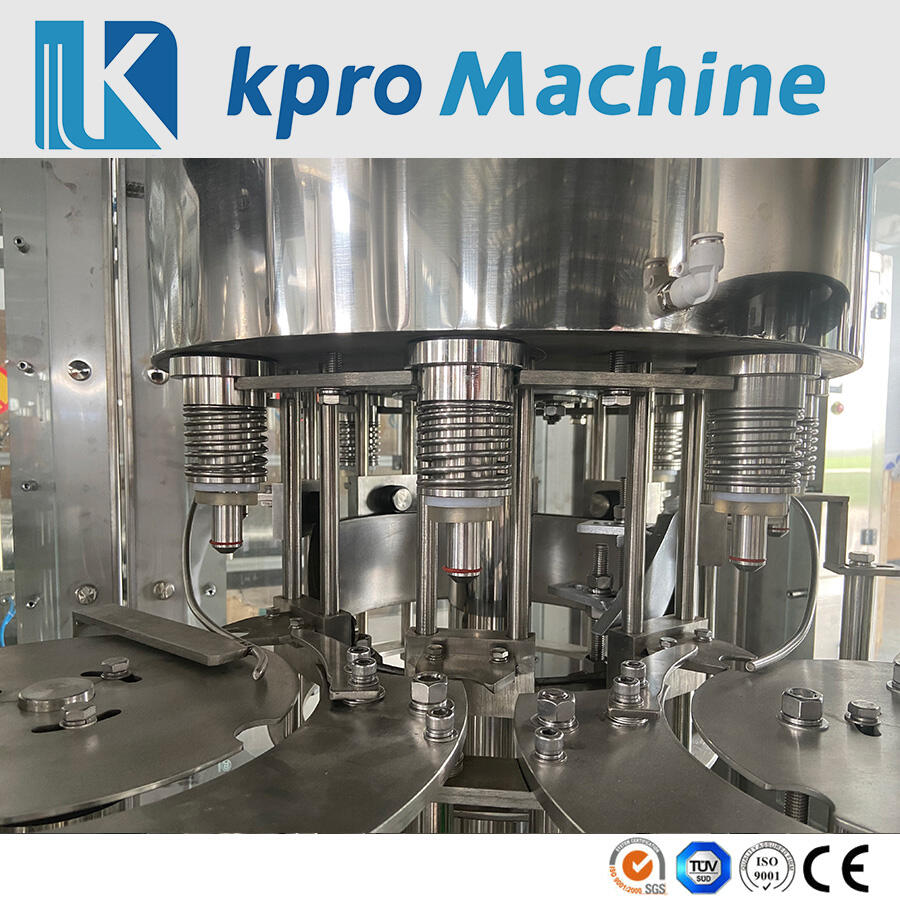
ဤစုံစမ်းစစ်ဆေးရေး လမ်းညွှန်စာအုပ်သည် ရေဖြည့်စက်ပစ္စည်းများကို နေ့စဉ်လည်ပတ်ရာတွင် စက်မှုလုပ်သမ်းများ ကြုံတွေ့ရသည့် လက်တွေ့ကျသည့် ပြဿနာများကို ဖြေရှင်းပေးပါသည်။ ဖြည့်သည့်ပမာဏများ မတေးမျှခြင်း၊ ရေယိုစေသည့် ဗာလ်ဖ်များ၊ ကုန်စည်သယ်စက် ပိတ်ဆို့ခြင်းနှင့် ထိန်းချုပ်စနစ် အမှားအမှင်များ စသည်တို့သည် တစ်ခုချင်းစီတွင် သီးသန့်လက္ခဏာများရှိပြီး သီးသန့်စွဲမ်းစစ်ဆေးမှု နည်းလမ်းများကို လိုအပ်ပါသည်။ လက်တွေ့ပြဿနာ၏ အဓိကအကြောင်းရင်းများကို စုံစမ်းရှာဖွေခြင်းဖြင့် လက်တွေ့ပြဿနာ၏ လက္ခဏာများကို အလွန်တွေ့ရှိခြင်းသာမက ထိရောက်သည့် ဖြေရှင်းနည်းများကို အကောင်အထည်ဖော်နိုင်ပါသည်။ ထို့ကြောင့် ထုတ်လုပ်မှုစီမံခန့်ခွဲမှုအဖွဲ့သည် ထုတ်လုပ်မှုစွမ်းဆောင်ရည်ကို ပြန်လည်ရရှိစေပြီး ပြဿနာများ ထပ်မြောက်မြောက်ဖြစ်ခြင်းကို ကာကွယ်နိုင်ပါသည်။ အောက်ပါအပိုင်းများတွင် အဖြစ်များသည့် ပျက်စေသည့် အကြောင်းရင်းများ၏ နည်းပညာဆိုင်ရာ အလုပ်လုပ်ပုံများကို ရှင်းလင်းဖေးမှုပေးပြီး ထိရောက်စွာ ဖြေရှင်းနိုင်ရန် လုပ်ဆောင်နိုင်သည့် အဆင့်များကို ပေးထားပါသည်။
ဖြည့်သည့်ပမာဏများ မတေးမျှခြင်း ပြဿနာများ
ပမာဏပြောင်းလဲမှု၏ အကြောင်းရင်းများကို နားလည်ခြင်း
ရေဖြည့်စက်များတွင် အများဆုံးဖော်ပြခံရသော ပြဿနာများထဲမှ တစ်ခုမှာ ပုလင်းများသို့ ထုတ်ကုန်ပမာဏ အလွန်များခြင်း သို့မဟုတ် အလွန်နည်းခြင်းဖြစ်ပါသည်။ ပမာဏများ၏ မတည်မြဲမှုများသည် အရည်အသွေးထိန်းချုပ်မှု မှုန်းခွဲမှုများ၊ စည်းမျဉ်းစည်းကမ်းများနှင့် ကိုက်ညီမှု ပြဿနာများနှင့် ဖောက်သည်များ၏ မ удовлетворенность ကို ဖော်ပေးပါသည်။ ဤပြဿနာကို ဖော်ပေးသည့် ယန္တရားဆိုင်ရာနှင့် လုပ်ဆောင်မှုဆိုင်ရာ အကြောင်းရင်းများမှာ အများအားဖော်ပေးပါသည်။ ပိတ်မိသော အမိုးအကာများပါသော ပုလင်းဖြည့်ခေါင်းများသည် အသေးစိတ်ပုလင်းဖြည့်မှုအတွက် လိုအပ်သော စုပ်ယူမှုအကျိုးသက်ရောက်မှုကို ထိခိုက်စေသည့် လေထုဝင်ရောက်မှုကို ဖော်ပေးပါသည်။ ပေးပို့ရေးလိုင်းတွင် ဖိအားပေါင်းလေးချက်များသည် ဖြည့်စွက်မှုတစ်ခုစီတွင် ပေးပို့သည့် ပမာဏကို ပြောင်းလဲစေသည့် စီးဆင်းမှုနှုန်းများကို ဖော်ပေးပါသည်။ ထို့အပေါ်အခြေခံ၍ ထိန်းချုပ်စနစ်တွင် အချိန်မှန်ကန်စွာ ချိန်ညှိမှုများ မှုန်းခွဲမှုများသည် ဖြည့်စွက်မှုလုပ်ငန်းစဉ်များ အပြည့်အဝပြီးစီးမှုမှီ ဖွငေးခေါင်းများနှင့် ပိတ်ခေါင်းများကို ဖွငေးခေါင်းများနှင့် ပိတ်ခေါင်းများကို ဖွငေးခေါင်းများနှင့် ပိတ်ခေါင်းများကို ဖွငေးခေါင်းများနှင့် ပိတ်ခေါင်းများကို ဖွငေးခေါင်းများနှင့် ပိတ်ခေါင်းများကို ဖွငေးခေါင်းများနှင့် ပိတ်ခေါင်းများကို ဖွငေးခေါင်းများနှင့် ပိတ်ခေါင်းများကို ဖွငေးခေါင်းများနှင့် ပိတ်ခေါင်းများကို ဖွငေးခေါင်းများန......
ရေပေးဝေမှုတွင် အပူခါးမှုပြောင်းလဲမှုများသည် သိပ်သဲမှုနှင့် စိုစွယ်မှုကိုလည်း အကျိုးသက်ရောက်စေပြီး ၎င်းတို့သည် အရည်သည် ဖြည့်သွင်းခေါင်းများမှတဆင့် မည်မျှမြန်မြန်စီးဆင်းသည်ကို သက်ရောက်မှုရှိသည်။ ထုတ်လုပ်မှုအလုပ်အမှုဆောင်များအကြား ရေအပူခါးမှုသည် သိသိသာသာ ကွဲလွဲမှုရှိပါက အချိန်သတ်မှတ်ချက်များသည် အတူတူဖြစ်သော်လည်း ဖြည့်သွင်းမှုပမာဏများသည် ကွဲလွဲမှုရှိလေ့ရှိသည်။ အစိတ်အပိုင်းများသည် ပုံမှန်ပုန်းလေ့ရှိမှုကို ခံစားရသည့်အတွက် ကောင်းမွန်စွာ ချိန်ညှိထားသည့် အဖြစ်များသည် အချိန်ကြာလာသည်နှင့်အမျှ မှန်ကန်မှုများ လျော့နည်းလာပြီး ယုံကြည်စိတ်ချရမှုများ ပိုမိုနည်းပါးလာသည်။ လုပ်သွင်းသူများသည် ဖြည့်သွင်းမှုပမာဏနှင့် ပတ်သက်သော ပြဿနာများသည် အများအားဖြင့် အကြောင်းရင်းတစ်ခုတည်းမှ မဟုတ်ဘဲ အကြောင်းရင်းများစွာ ပေါင်းစပ်ပါဝင်ပြီး တစ်ခုနှင့်တစ်ခု အားကောင်းလာစေသည်ကို သတိပြုရန် လိုအပ်ပါသည်။
ပမာဏပြဿနာများအတွက် ရှာဖွေရှာဖွေရှာဖွေရှာဖွေရှာဖွေရှာဖွေရှာဖွေရှာဖွေရှာဖွေရှာဖွေရှာဖွေရှာဖွေရှာဖွေရှာဖွေရှာဖွေရှာဖွေရှာဖွေရှာဖွေရှာဖွေရှာဖွေရှာဖွေရှာဖွေရှာဖွေရှာဖွေရှာဖွေရှာဖွေရှာဖွေရှာဖွေရှာဖွေရှာဖွေရှာဖွေရှာဖွေရှာဖွေရှာဖွေရှာဖွေရှာဖွေရှာဖွေရှာဖွေရှာဖွေရှာဖွေရှာဖွေရှာဖွေရှာဖွေရှာဖွေရှာဖွေရှာဖွေရှာဖွေရှာဖွေရှာဖွေရှာဖွေ......
ပမိန့်အရေအတွက် သင့်လျော်သော စီမံခန့်ခွဲမှု နမူနာအဖြစ် ခွေးဘူးများ၏ အမှန်တကယ် ဖြည့်သွင်းထားသော အလေးချိန်များကို တိုင်းတာခြင်းဖြင့် အသံအတိုင်းအတာ မတေးများကို စတင် စမ်းသပ်ဖော်ထုတ်ပါ။ အနည်းဆုံး ခွေးဘူး (၂၀) ခုကို ဆက်တိုက် မှတ်တမ်းတင်ပြီး စံသွေးမှုကို တွက်ချက်ကာ အပေါ်ယံ လက်ခံနိုင်သော အတိုင်းအတာအတွင်း အပေါ်ယံမှုများ ရှိမရှိ ဆုံးဖြတ်ပါ။ ခွေးဘူးများတွင် စနစ်တကျ အလွန်အမင်း ဖြည့်သွင်းခြင်း (သို့) အလွန်အမင်း မဖြည့်သွင်းခြင်းများ ရှိပါက ပေးပို့ရေး မနီဖိုလ်ဒ်ပေါ်ရှိ ဖိအား စီမံခန့်ခွဲမှု ကို စစ်ဆေးပါ။ ရေဖြည့်စက်စနစ်များအများစုတွင် စက်ပစ္စည်း ဒီဇိုင်းပေါ်မူတည်၍ အများအားဖြင့် ၀.၂ မှ ၀.၄ MPa အတွင်း စံသွေးမှုရှိသော ဝင်ရောက်သော ဖိအားကို လိုအပ်ပါသည်။ ထုတ်လုပ်သူ၏ အက်ပ်လ်က် ဖိအား အတိုင်းအတာများနှင့် ကိုက်ညီမှုရှိမရှိ စစ်ဆေးရန် စံသွေးမှု ဖိအားမှန်ကန်သော ဂေါ်ဂ်ကို အသုံးပြုပါ။
ဖိလ် ဗားလ်ဗ်များကို မျက်စိဖြင့် သိသာထင်ရှားသော ပုံပိုင်းဆိုင်ရာ ပျက်စီးမှုများအတွက် စစ်ဆေးပါ။ အထူးသဖြင့် ဗားလ်ဗ် အစိတ်အပိုင်းများ၏ အိပ်ခါးများနှင့် ပိတ်မိစေရန် အသုံးပြုသည့် အစိတ်အပိုင်းများကို စစ်ဆေးပါ။ ဗားလ်ဗ် အိပ်ခါးများပေါ်တွင် အနည်းငယ်သာ ဖဲ့ခြစ်မှုများ သို့မဟုတ် အနိမ့်အမြင့်များ ရှိပါက ဗားလ်ဗ်များ အပ်နိုင်သည့် အပ်မှုကို အပ်နိုင်ခြင်းမရှိစေဘဲ သတ်မှတ်ထားသည့် ဖိလ် အပ်မှုအများအားဖြင့် ဖိလ် စီးဆက်မှုကို ဆက်လက်ဖော်ပေးနေပါမည်။ အိပ်ခါးများပေါ်ရှိ သိသာထင်ရှားသော အနိမ့်အမြင့်များကို ဖယ်ရှားရန် သင့်လျော်သော သန့်စင်ရေး ဓာတုပစ္စည်းများကုန်သုံး၍ ဗားလ်ဗ် အစိတ်အပိုင်းများအားလုံးကို သန့်စင်ပါ။ သို့သော် ပိတ်မိစေရန် အသုံးပြုသည့် အစိတ်အပိုင်းများကို ပျက်စီးမှုမဖြစ်စေရန် သတိပြုပါ။ ထိန်းသုံးမှု အစီအစဥ်အတိုင်း O-ရင်းများ၊ ဂက်စကက်များ သို့မဟုတ် ဒိုင်အာဖရမ်များကို ပျက်စီးနေပါက အစားထိုးပါ။ ဤ ယန္တရားဆိုင်ရာ စစ်ဆေးမှုများ ပြီးစီးပါက ထိန်းချုပ်ပေါင်းသုံးမှု အင်တာဖေ့စ်များကို အသုံးပြု၍ အခြေခံ ပါရာမီတာများကို ပြန်လည်သတ်မှတ်ပါ။ ထို့အပ် ဖိလ် စီးဆက်မှု အများအားဖြင့် အချိန်ကာလများ နှင့် လက်တွေ့ ဖိလ် စီးဆက်မှု အများအားဖြင့် ကိုက်ညီမှုရှိမှုကို စစ်ဆေးပါ။
ဖိလ် တိကျမှုအတွက် ကာကွယ်ရေး measures
ဖြည့်သွင်းမှုပမာဏများကို စံချိန်တူညီစေရန်အတွက် ထုတ်လုပ်မှုပြဿနာများကို ဖြစ်ပေါ်စေမည့် ပုံပေါ်လာသော ပုံပိုင်းဆိုင်ရာ ပျက်စီးမှုများကို ကြိုတင်ကာကွယ်ရန် နေ့စဉ် ထိန်းသိမ်းရေးအစီအစဥ်ကို ချမှတ်ရမည်။ ဖြည့်သွင်းမှုနှုတ်ထွင်းများကို နေ့စဉ် မျက်စိဖြင့် စစ်ဆေးပါ။ ထုတ်ကုန်များ စုပုံလာခြင်း သို့မဟုတ် ပျက်စီးမှုများ ရှိမရှိ စစ်ဆေးပါ။ အပိုင်းအစများကို ပြန်လည်ဖွင့်လေးပြီး အသေးစိတ်စစ်ဆေးခြင်းနှင့် သန့်ရှင်းရေးပြုလုပ်ရန် အပတ်စဉ် နက်ရှိုင်းသော သန့်ရှင်းရေးလုပ်ငန်းစဥ်များကို သတ်မှတ်ပါ။ ထုတ်လုပ်မှုတစ်ခုလုံးတွင် ဖြည့်သွင်းမှုအလေးချိန်တွေကို အသေးစိတ်မှတ်တမ်းများ ထိန်းသိမ်းပါ။ စံချိန်မှတ်တမ်းများ (Statistical Process Control Charts) ကို အသုံးပြု၍ ခွင့်ပေးထားသော အများဆုံး ခွင့်လွင့်မှုနှင့် ကွဲလွဲမှုများကို အလေးချိန်များ အလွန်ကျော်လွန်သော အချိန်မှ before စောစော သတ်မှတ်ပါ။ ဖြည့်သွင်းမှုပမာဏများတွင် ဖြည့်သွင်းမှုပမာဏများ တဖြည်းဖြည်း ပြောင်းလဲလာခြင်းကို ပုံပေါ်လာသည့် အခါမှာ ပြောင်းလဲမှုများကို အများကြီး ပျက်စီးသွားသည့်အထိ စောင်းမထားဘဲ ချက်ချင်း ပြန်လည်ချိန်ညှိရမည်။
အမြှုပ်များနှင့် အခြားအညစ်အကေးများကြောင့် ဖွင့်ပေးသည့် အရိုးအစားများ မီးလောင်ပေါက်ကွဲမှုများ ဖြစ်ပေါ်လာခြင်းကို ကာကွယ်ရန် ရေပေးဝါယာကြောင်းများတွင် အတိုင်းတာထားသည့် စစ်ထုတ်စနစ်များ တပ်ဆင်ပါ။ ထုတ်လုပ်မှုအလုပ်အကိုင်အချိန်အတွင်း ထုတ်ကုန်အပူချိန်ကို တည်ငြိမ်စေရန် အပူချိန်ထိန်းညှိစနစ်များကို သေချာစေပါ။ ဖြည့်သည့်ခေါင်းများမှ ထူးခြားသည့်အသံများ သို့မဟုတ် ဖြည့်သည့်အက်ကွဲများကြားတွင် မြင်သာသည့် ရေစိမ်းများကို အစောပိုင်းတွင် သိရှိနိုင်ရန် လုပ်သမ်းများကို လေ့ကျင်းပေးပါ။ အသေးစား အပေါ်ယံပေါက်ကွဲမှုများကို ချက်ချင်းဖြေရှင်းခြင်းဖြင့် အကြီးစား စမ်းသပ်မှုများနှင့် အစိတ်အပိုင်းများ အစားထိုးရန် လိုအပ်သည့် ပုံစံများကို ကာကွယ်နိုင်ပါသည်။ အရေးကြီးသည့် ရေဖြည့်သော စက် တပ်ဆင်မှုများတွင် အီလက်ထရွန်နစ် စီးဆင်းမှုမီတာများသို့ အဆင့်မြှင့်တင်ခြင်းကို စဉ်းစားပါ။ ထိုမီတာများသည် ဖြည့်သည့် အချက်အလက်များကို အချိန်နှင့်တစ်ပါက် ပေးပေးနိုင်ပြီး ဖြည့်သည့် အချက်အလက်များကို အလိုအလျောက် ညှိပေးနိုင်ပါသည်။
ရေယိုစိမ်းမှုများနှင့် ပိတ်မှုများ ပျက်စေခြင်း
ရေယိုစိမ်းမှုများ၏ အမျိုးအစားများကို သိရှိခြင်း
ရေဖြည့်စက်များ၏ လုပ်ငန်းစဉ်များကို ထိခိုက်စေသော နောက်ထပ် အရေးပါတဲ့ ပြဿနာ အမျိုးအစားတစ်ခုမှာ ပြေလည်မှုဖြစ်သည်။ ခပ်သိမ်းသော စိမ့်ဝင်မှုတွေဟာ တူညီတဲ့ အရင်းအမြစ်ကနေ လာတာမဟုတ်ပဲ တူညီတဲ့ ဖြေရှင်းနည်းတွေ လိုအပ်တာလည်းမဟုတ်ပါဘူး။ ဗို့အားခုံပေါက်ကွဲမှုသည် ပိတ်ထားသောနေရာသို့ ဗို့အားဝင်လာသည့်အခါတောင် အပြီးသတ်ပိတ်ခြင်းမဖြစ်နိုင်သော အကာအကွယ်ပေးသော မျက်နှာပြင် ပျက်စီးခြင်း သို့မဟုတ် ညစ်ညမ်းခြင်းကြောင့် ဖြစ်ပေါ်သည်။ ဒီပေါက်ပေါက်မှုတွေဟာ ပုံမှန်အားဖြင့် စက်ဝန်းတွေကြားက ဖြည့်တဲ့ nozzles တွေကနေ တချိန်လုံး ကျဆင်းနေတာပါ။ လည်ပတ်နေသော သို့မဟုတ် ရွေ့လျားနေသော အစိတ်အပိုင်းများက ဖိအားအကန့်အသတ်များမှ ဖြတ်သန်းသွားသည့် လှုပ်ရှားနေသော အစိတ်အပိုင်းများအနီးတွင် shaft seal leaks များ ဖြစ်ပေါ်လာသည်။ ထုတ်ကုန်သည် actuator shaft များအနားသို့မဟုတ် ထိန်းညှိမှုယန္တရားများအနားတွင်ပေါ်လာပြီး မကြာခဏ မြင်သာသော အပျက်စီးမှု သို့မဟုတ် သတ္တုမြေဩဇာများနှင့်အတူပါ ၀ င်သည်။
ချိတ်ဆက်မှုနေရာများတွင် အနေအထားမှားယင်းခြင်း (assembly errors) သို့မဟုတ် စက်ပစ္စည်း၏ ခုန်ခါမှု (vibration) ကြောင့် အချိန်ကြာလာသည်နှင့်အမျှ ချောင်းပေါက်များ (threaded fittings)၊ ဖိအားဖောင်းမှုချိတ်ဆက်မှုများ (compression connections) သို့မဟုတ် ပလိန့်ချိတ်ဆက်မှုများ (flanged joints) တွင် ရေစိမ်းမှုများ ဖြစ်ပေါ်လာပါသည်။ ဤရေစိမ်းမှုများသည် အချိန်ကာလအတိုင်းအတာတွင် အချိန်ပေါ်မှုရှိသည့် ရေစိမ်းမှုများ (intermittent leaks) ဖြစ်နိုင်ပါသည်။ ထိုသို့သော ရေစိမ်းမှုများသည် အထူးသော ဖိအားအခြေအနေများအောက်တွင်သာ ဖော်ပေါ်လာပါသည် သို့မဟုတ် စက်ပစ္စည်းအား အချိန်ကြာမှုအထိ အသုံးပြုပြီးနောက် ပူပေါင်းမှု (thermal expansion) ကြောင့် ချိတ်ဆက်မှု၏ အားကောင်းမှု (joint integrity) ပေါ်တွင် သက်ရောက်မှုရှိသည့်အခါတွင်သာ ဖော်ပေါ်လာပါသည်။ လေဖြင့် လှုပ်ရှားစေသည့် ဖောင်းမှုပြားများ (pneumatically actuated valves) တွင် ဖောင်းမှုပြားပျက်စီးမှုများ (diaphragm failures) ဖြစ်ပါက အတွင်းပိုင်းရေစိမ်းမှုများ (internal leaks) ဖြစ်ပေါ်ပါသည်။ ထိုအတွင်းပိုင်းရေစိမ်းမှုများသည် လှုပ်ရှားမှုအား (actuation force) ကို လျော့နည်းစေပါသည်။ သို့သော် အပြင်ဘက်တွင် မြင်သာသည့် ရေစိမ်းမှုများ (visible external leakage) များကို မြင်တွေ့ရခြင်းမရှိပါ။ စက်ပစ္စည်းအော်ပရေတာများသည် ဖောင်းမှုပြားများ ဖော်ပေါ်မှုနှုန်း (valve response) သည် နှေးကွေးနေခြင်း သို့မဟုတ် ဖောင်းမှုပြားများ အပေါ်သို့ အပြည့်အဝ ဖွင့်မှုမရှိခြင်းကို သတိပြုမိပါသည်။ ထိုသို့သော အခြေအနေများသည် စက်ပစ္စည်းအတွင်းမှ အရည်စီးဆင်းမှုနှုန်း (flow rates) ကို လျော့နည်းစေပါသည်။ သို့သော် စက်ပစ္စည်းအတွင်းမှ အရည်များ အပြင်ဘက်သို့ မြင်သာစေခြင်းမရှိပါ။
ရေစိမ်းမှုအရင်းအမြစ်များကို စစ်ဆေးဖော်ထုတ်ခြင်း
ရေဖြည့်စက်၏ဖိအားကို စနစ်တကျလျော့ချပြီး အလင်းရှိမှုကောင်းမောင်းသော အခြေအနေတွင် မျက်စိဖြင့် စစ်ဆေးခြင်းဖြင့် ယိုစေသည့် အရင်းအမြစ်များကို စနစ်တကျ ခွဲခြားဖေါ်ထုတ်ပါ။ ယိုနေနိုင်သည့် နေရာများကို သန့်ရှင်းပြီး ခြောက်သော စက္ကူအဝတ်စုံများဖြင့် သုံး၍ သုံးပါ။ ထို့နောက် စနစ်အား ဖိအားတင်ပါ။ ထို့နောက် စိုစွတ်မှု ပေါ်လာသည့် နေရာကို စောစောမှ စောင်းကြည့်ပါ။ ဗားလ်ဗ် အစိတ်အပိုင်း၏ အိပ်ခါးနေရာများ ယိုနေပါက ဗားလ်ဗ် အစိတ်အပိုင်းကို ဖျက်ထုတ်ပြီး မှုန်ထားသည့် မျက်လုံးဖြင့် ပိတ်ပေးသည့် မျက်နှာပုံများကို စစ်ဆေးပါ။ အပ်ချောင်းများ၊ အမှုန်များ သို့မဟုတ် အမှုန်များ ကြောင့် ပြည့်စုံစွာ ထိတ်နေမှု မရှိခြင်းကို စစ်ဆေးပါ။ အိပ်ခါးနေရာများကို သင့်လျော်သည့် ပေါလိုက်ရှင်း ဓာတ်ပုံများဖြင့် သန့်ရှင်းပါ။ မျက်နှာပုံများကို ပုံစံအတိုင်း လှည့်ပေးပါ။ အက်ကြောင်းများ အပ်ချောင်းများ အထက်တွင် ပိုမိုပြင်းထန်စွာ ပျက်စီးနေပါက ဗားလ်ဗ် အစိတ်အပိုင်း တစ်ခုလုံးကို အစားထိုးပါ။ ယာယီဖြေရှင်းနည်းများကို အသုံးပြုခြင်းဖြင့် ပြုပြင်မှုများ မပြုလုပ်ပါ။
အိုင်ပါကြောင်းများ၏ အစိတ်အပိုင်းများကို လည်ပတ်နေစဉ် အိုင်ပါကြောင်းများ၏ အနီးတွင် ရှိသော နေရာများကို စောင်းကြည့်ခြင်းဖြင့် အိုင်ပါကြောင်းများ၏ အပိုင်းများကို စစ်ဆေးပါ။ တန်ခေါင်းများ လည်ပတ်နေစဉ် ထုတ်ကုန်များ ပေါ်လာပါက သို့မဟုတ် တန်ခေါင်းများ ရပ်နေစဉ် ပေါ်လာမှု ရပ်သွားပါက ဒိုင်နမစ် အိုင်ပါကြောင်းများ ပျက်စီးသွားပါပြီး အစားထိုးရန် လိုအပ်ပါသည်။ ချိတ်ဆက်မှုများမှ ယိမ်းယိုင်မှုများအတွက် သတ်မှတ်ထားသော တော်ကြူးတန်ဖော်စ်တန်ဖော်စ်တန်ဖော်စ်တန်ဖော်စ်တန်ဖော်စ်တန်ဖော်စ်တန်ဖော်စ်တန်ဖော်စ်တန်ဖော်စ်တန်ဖော်စ်တန်ဖော်စ်တန်ဖော်စ်တန်ဖော်စ်တန်ဖော်စ်တန်ဖော်စ်တန်ဖော်စ်တန်ဖော်စ်တန်ဖော်စ်တန်ဖော်စ်တန်ဖော်စ်တန်ဖော်စ်တန်ဖော်စ်တန်ဖော်စ်တန်ဖော်စ်တန်ဖော်စ်တန်ဖော်စ်တန်ဖော်စ်တန်ဖော်စ်တန်ဖော်စ်တန်ဖော်စ်တန်ဖော်စ်တန်ဖော်စ်တန်ဖော်စ်တန်ဖော်စ်တန်ဖော်စ်တန်ဖော်စ်တန်ဖေ...... အဆင်သင့်ဖြစ်ပါသည်။ ချိတ်ဆက်မှုများကို အလွန်အမင်း တင်မှုများကို မပြုလုပ်ရပါ၊ အကြောင်းမှာ အလွန်အမင်း တင်မှုများသည် အိုင်ပါကြောင်းများ၏ မျက်နှာပုံများကို ပုံပေါ်စေပါက ယိမ်းယိုင်မှုများ ပိုမိုဆိုးရွားလာနိုင်ပါသည်။ ချိတ်ဆက်မှုများကို ပြန်လည်တပ်ဆင်ရာတွင် ချိတ်ဆက်မှုများအတွက် ချိတ်ဆက်မှု အိုင်ပါကြောင်းများကို အစားထိုးခြင်း သို့မဟုတ် ချိတ်ဆက်မှု အိုင်ပါကြောင်းများကို အသုံးပြုခြင်း ပြုလုပ်ပါ။ ဒိုင်အာဖရမ် တန်ခေါင်းများအတွက် လေဖိအား စားသုံးမှုကို စောင်းကြည့်ရင်း အိုင်ပါကြောင်းများ စမ်းသပ်မှုများ ပြုလုပ်ပါ။ တန်ခေါင်းများ လည်ပတ်မှုနှင့် မက်ခ်တ်မှုမရှိဘဲ လေဖိအား စားသုံးမှု ပိုမိုများပါက အတွင်းပိုင်း ဒိုင်အာဖရမ် ပျက်စီးမှု ဖြစ်ပါသည်။ ထိုသို့သော ပျက်စီးမှုများကို အမျှင်မှုန်မှုဖြင့် အစားထိုးရန် လိုအပ်ပါသည်။
အချိန်ကြာမှုအထိ အိုင်ပါကြောင်းများ၏ အိုင်ပါကြောင်းများ စောင်းကြည့်ခြင်း
ပိတ်မိခြင်းအမှားများကို ကာကွယ်ရန်အတွက် လုပ်ဆောင်နေသည့် ပတ်ဝန်းကျင်နှင့် ထိန်းသိမ်းရေးလုပ်ထိုးမှုများကို ဂရုစိုက်ရန် လိုအပ်ပါသည်။ ပိတ်မိစေသည့် ပစ္စည်းများနှင့် ဖြည့်သွင်းမည့် ထုတ်ကုန်များအကြား ဓာတုပေါင်းစပ်မှု သဟဇာတဖြစ်မှုသည် အရေးကြီးပါသည်။ သင်၏ ထုတ်ကုန်တွင် ပါဝင်သည့် ရေနှင့် ရေသန့်စင်ရေး ဓာတုပစ္စည်းများနှင့် အဆက်မပုတ်ဘဲ ထိတွေ့နေနိုင်ရန် အရာအားလုံးကို စမ်းသပ်စစ်ဆေးပြီး အတည်ပြုပါ။ ကလိုရင်းဓာတ်ပါသည့် ရေ သို့မဟုတ် အထူး pH အတိုင်းအတာများနှင့် ထိတွေ့မှုကြောင့် ပိတ်မိစေသည့် ပစ္စည်းအများစုသည် အလွန်မြန်မြန် ပျက်စီးသွားနိုင်ပါသည်။ အသုံးပြုမှုကြာမှုကို တိုးမြှင့်ပေးပြီး ပိတ်မိမှုများကို လျော့နည်းစေရန်အတွက် လိုအပ်ပါက စံနှုန်းအတိုင်း ပိတ်မိစေသည့် ပစ္စည်းများကို ဓာတုပေါင်းစပ်မှုကို ခံနိုင်ရည်ရှိသည့် အစားထိုးပစ္စည်းများဖြင့် အစားထိုးပါ။
ထုတ်လုပ်သူ၏ သတ်မှတ်ချက်များနှင့်အညီ ရွေ့လျားနေသော seal မျက်နှာပြင်အားလုံးတွင် သင့်တော်သော lubrication ကို ထိန်းသိမ်းပါ။ ဖြည့်သွင်းမှုတွင် ထုတ်ကုန်နှင့် တိုက်ရိုက် ထိတွေ့ရန် ခွင့်ပြုထားသော အစားအစာ အဆင့်ရှိ ဆီလူးပစ္စည်းများကိုသာ အသုံးပြုပါ။ မလုံလောက်တဲ့ ဆီပေးခြင်းကြောင့် အပူကို ထုတ်လွှတ်ပေးပြီး တံဆိပ်ပျက်စီးမှုကို အရှိန်မြှင့်ပေးတဲ့ အလွန်အကျွံ ပွတ်တိုက်မှု ဖြစ်ပေါ်ပါတယ်။ ပျက်စီးမှုအတွက် စောင့်နေမယ့်အစား အဝတ်ပျက်ပစ္စည်းတွေကို အစီအစဉ်ချပြီး အစားထိုးပေးပါ။ မမျှော်လင့်တဲ့ ပျက်စီးမှုများကို တားဆီးနိုင်ရန် အစားထိုးမှု ကြားကာလများကို သတ်မှတ်ရန်အတွက် ရေဖြည့်စက်အမျိုးမျိုးနှင့် ထုတ်လုပ်မှုပမာဏများအကြား ပိတ်တံ၏ သက်တမ်းကို ခြေရာခံပါ။ အစားထိုးပိတ်ပိတ်တွေကို ထိန်းချုပ်ထားတဲ့ ပတ်ဝန်းကျင်မှာ နေရောင်ခြည် တိုက်ရိုက်၊ အိုဇုန်းရင်းမြစ်တွေနဲ့ အပူချိန် အလွန်အကျွံတွေမှ ဝေးတဲ့ နေရာမှာ သိမ်းထားပါ။ တပ်ဆင်မထားခင်မှာတောင် elastomer တွေကို ဆွေးမြေ့စေပါတယ်။
ပုလင်းကိုင်ခြင်းနှင့် ပို့ဆောင်ရေးစက် ပြဿနာများ
ကွန်ပျူတာအတားအဆီးများနှင့် ပုလင်းများအား ပြန်လည်ထိန်းသိမ်းခြင်း
ပုလင်းကိုင်တွယ်ရေးစနစ်တွေဟာ ရေဖြည့်စက်တွေထဲမှာ အရှုပ်ထွေးဆုံး လုပ်ငန်းပြဿနာတွေကို ဖန်တီးပေးပါတယ်။ သယ်ယူပို့ဆောင်ရေး ကွန်ရက်များတွင် ယာဉ်ကြောပိတ်ဆို့မှုကြောင့် ထုတ်လုပ်မှု လုံးဝရပ်တန့်သွားနိုင်ပြီး ချက်ချင်း ဖြေရှင်းခြင်း မရှိပါက ကွန်တိန်နာများ သို့မဟုတ် စက်ပစ္စည်းများကို ထိခိုက်စေနိုင်ပါတယ်။ jamming ဖြစ်ရပ်များအတွက် အကြောင်းရင်းများစွာ ပါဝင်ပါတယ်။ မမှန်ကန်တဲ့ ပုလင်းအကွာအဝေးက အိုးတွေကို ဦးတည်ချက် ပြောင်းလဲမှု (သို့) အမြန်နှုန်းပြင်ဆင်မှု ဖြစ်ပေါ်တဲ့ အပြောင်းအလဲ နေရာတွေမှာ အချင်းချင်း ထိတွေ့ခွင့်ပေးတယ်။ လမ်းညွှန်ဘီးရဲ့ မမှန်ကန်တဲ့ ချိတ်ဆက်မှုက ပုလင်းတွေ အပေါ်ကို လှည့်ပြီး မောင်းနှင်တဲ့ နေရာတွေကို ဖန်တီးပေးပါတယ်။ ချိတ်ဆက်ထားသော သံကြိုးများ၊ လေ့ယာများ သို့မဟုတ် မောင်းနှင်ရေး ခါးပတ်များကဲ့သို့သော အဝတ်ပျက်စီးသွားသော ပို့ဆောင်ရေးစက် အစိတ်အပိုင်းများသည် အလျင်အလျား ပြောင်းလဲမှုများ ဖြစ်ပေါ်စေပြီး ပုလင်းများ၏ ချောမွေ့သော စီးဆင်းမှုကို ထိခိုက်စေသည်။
ခွန်အားပေးမှု ပြဿနာများကို ဖြစ်စေရာတွင် ဘူတ်လ်၏ အရည်အသွေး ကွဲလေးမှုများသည်လည်း အရေးပါသော အခန်းကဏ္ဍမှ ပါဝင်ပါသည်။ အတိုင်းအတာ မတေးမျှမှုများ ရှိသော ပုံသောင်းများသည် ပုံသောင်းများအတွက် သတ်မှတ်ထားသော ပုံသောင်းအတိုင်းအတာများအတွက် ဒီဇိုင်းပုံစံချထားသော လမ်းညွှန်ရေးများတွင် မှန်ကန်စွာ ကွက်ကွက်ကျကျ မကျော်လွန်နိုင်ပါ။ နံရံပေါ်တွင် အလွန်ပေါ့ပါးသော ဘူတ်လ်များသည် အချို့သော ခွန်အားပေးမှု စနစ်များမှ ဖမ်းဆုပ်မှု ဖိအားအောက်တွင် ပျက်စီးသွားနိုင်ပါသည်။ ဖြည့်စွက်မှုများ မပြုလုပ်မီ လိုဂိုအက်ပလီကေးရှင်များ တင်သော အချိန်တွင် ပွေလွဲမှုများ ဖြစ်ပေါ်စေပြီး ဘူတ်လ်များ လမ်းညွှန်ရေးများ အတွင်းတွင် မည်သို့ လှုပ်ရှားသွားမည်ကို သက်ရောက်စေပါသည်။ ဤ အပ်စ်တွင် ဆက်စပ်နေသော အရေးကြီးသော အရာများကို နားလည်ခြင်းဖြင့် လုပ်သောသူများသည် ပြဿနာများသည် ရေဖြည့်စွက်မှုစက်မှ အစွဲပေးခြင်း ဖြစ်သော အချိန်တွင် ဖြစ်ပါသည် သို့မဟုတ် ဖြည့်စွက်မှု စတေးရှင်းသို့ ပုံသောင်းများကို ပေးပို့သည့် အထက်တန်း လုပ်ငန်းစဉ်များမှ အစွဲပေးခြင်း ဖြစ်သော အချိန်တွင် ဖြစ်သည်ကို ရှာဖွေဖော်ထုတ်နိုင်ပါသည်။
ကုန်စည်သယ်ယူရေးစနစ် ပြဿနာများကို ရှာဖွေဖော်ထုတ်ခြင်း
ဖြည့်သွင်းလုပ်ငန်းစဉ်တစ်လျှောက်ရှိ ဘူတ်ခ်များ၏ အပြုအမှုအရေးပေါ် အဆင့်ဆင့် စောင်းကြည့်ခြင်းဖြင့် ကုန်စည်သယ်စက်ပြဿနာများကို စတင်စုံစမ်းစစ်ဆေးပါ။ ဘူတ်ခ်များသည် ဖြည့်သွင်းစတေးရှင်းသို့ ဝင်ရောက်ခြင်းနှင့် ထွက်ခြင်းနေရာများကို သေချာစောင်းကြည့်ပါ။ အနီးကပ်တွင်ရှိသော ပုံစံများအကြား မပုံမမှန်သော ရှုပ်ထွေးမှုများ၊ ချိုင်းနေမှုများ သို့မဟုတ် ထိတွေ့မှုများကို မှတ်သားပါ။ ဘူတ်ခ်များ၏ အတိအကျသော အရွယ်အစားများကို တိုင်းတာပါ။ ထိုအရွယ်အစားများကို လမ်းညွှန်ရေးလိုင်းများ၏ အနေအထားကို သတ်မှတ်ရာတွင် အသုံးပြုသည့် အသေးစိတ်အချက်အလက်များနှင့် နှိုင်းယှဉ်ပါ။ ထုတ်လုပ်မှုလုပ်ငန်းစဉ်များတစ်လျှောက် စုစုပေါင်းဖြစ်ပေါ်လာသော အသေးစိတ်အရွယ်အစားများ၏ ကွဲလွဲမှုများသည် လက်တွေ့တွင် အလွန်အမင်း ကိုင်တွယ်ရန် ခက်ခဲစေနိုင်ပါသည်။ မှန်ကန်သော အနေအထားကို စစ်ဆေးရန် မှန်အောင်လုပ်ထားသော အရှည်များနှင့် တိုင်းတာရေးကိရိယာများကို အသုံးပြုပါ။ အတူတူ ပါရေးလယ်လ် လိုင်းများသည် အလုပ်လုပ်ရာတွင် အကောင်းဆုံး အကွာအဝေးကို ထိန်းသိမ်းနေကြောင်း အတည်ပြုပါ။
ကုန်စည်သယ်ဆောင်ရေးစက်ပုံစဥ်၏ မောင်းနှင်ရေးအစိတ်အပိုင်းများကို ပုံပေါ်လာသော ပုံပိုင်းဆိုင်ရာ ပျက်စီးမှု သို့မဟုတ် အန်းကြောင်းများအတွက် စစ်ဆေးပါ။ ဘောင်လီများ ပျက်စီးခြင်း သို့မဟုတ် ခွေးကြိုးပြဿနာများကို ညွှန်ပေးသည့် အသံများဖြစ်သော ခေါက်သံ၊ တောင်းသံ သို့မဟုတ် ခပ်သိမ်းသံများကို နားထောင်ပါ။ ခဲ့သောင်းများကို အများအပြားသော နေရာများတွင် တိကျစွာ တိုင်းတာပါ။ ထိုသို့သော တိုင်းတာမှုများမှ ပုလ္လင်များ စုပုံလာခြင်းကို ဖော်ပေးသည့် အမျှတ်များကို ဖော်ထုတ်နိုင်ပါသည်။ အချိန်မှန်ကန်စွာ လုပ်ဆောင်သည့် အပိုင်းများ (timing stars)၊ အညွှန်းပေးသည့် စနစ်များ (indexing mechanisms) နှင့် ပုလ္လင်များကို လှည့်ပေးသည့် ပိုက်ဆံများ (bottle screws) တို့သည် ကြောင်းလုပ်မှု သို့မဟုတ် ရပ်တန့်မှုမရှိဘဲ ချောမွေ့စွာ လှည့်ပါကြောင်း စစ်ဆေးပါ။ လုပ်ဆောင်မှုပုံစဥ်နှင့် ကိုက်ညီသည့် သူ့အလိုက် အဆိုပ်များကို အသုံးပြု၍ လှုပ်ရှားနေသည့် အစိတ်အပိုင်းများအားလုံးကို ထိန်းသိမ်းရေး အစီအစဥ်များအတိုင်း အဆိုပ်ပေးပါ။ အချိန်မှန်ကန်စွာ ညှိနိုင်သည့် ရေဖြည့်စက်စနစ်များအတွက် ပုလ္လင်များသည် ဖြည့်စွက်ခြင်းအပိုင်းများသို့ ရောက်ရှိသည့်အချိန်နှင့် ဖွငေးများ ဖွင့်သည့် အစီအစဥ်များသည် အတိအကျ တိုက်ဆိုက်မှုရှိကြောင်း စစ်ဆေးပါ။
ပုလ္လင်များ၏ စီးဆေးမှုကို အကောင်းမွန်စေခြင်း
အောင်မြင်စွာ ဘူတ်လ်များကို ကိုင်တွယ်ခြင်းအတွက် ပါရာမီတာများစွာကို စနစ်တကျ ညှိပေးရန် လိုအပ်ပါသည်။ ပထမဦးစွဲအားဖြင့် အချိန်ညှိမှုများ သို့မဟုတ် ဖီဒ် စကྲူးများနှင့် အချိန်သတ်မှတ်သည့် ကြယ်ပုံစံ ပစ္စည်းများကဲ့သို့သော ရုပ်ပိုင်းဆိုင်ရာ အကွာအဝေး သတ်မှတ်ပေးသည့် ကိရိယာများကုန်း ဘူတ်လ်များအကွာအဝေးကို သင့်လျော်စွာ သတ်မှတ်ပါ။ သင့်လျော်သော အကွာအဝေးသည် ဘူတ်လ်များအား ကွေးမှုနှင့် ပြောင်းလဲမှုများကို ထိစပ်မှုမရှိဘဲ ဖြတ်သန်းနိုင်ရန် လုံလောက်သော အကွာအဝေးကို ပေးစေပါသည်။ ဘူတ်လ်များကို အလွန်များပြားသော ဘေးဘက်ဖိအားများ မပေးဘဲ နူးညံ့ပြီး တည်ငြိမ်သော လမ်းညွှန်မှုကို ပေးနိုင်ရန် လမ်းညွှန် ရေးလ်များကို ညှိပါ။ ရေးလ်များသည် ဘူတ်လ်များကို တည်ငြိမ်သော အနေအထားတွင် ထားရှိပေးရန်နှင့် သက်သောင်းကြောင်း ရှိသော အရွေ့လျားမှုကို အနည်းငယ်သာ ပွန်းစေသည့် သက်သောင်းကြောင်းများဖြင့် ရှေးသို့ အဆက်မပြတ် ရွေ့လျားနိုင်ရန် လိုအပ်ပါသည်။
ကုန်စည်သယ်ဆောင်ရေးစက် (conveyor) ၏အမြင့်အဆင့်သည် ဖြည့်သွင်းခြင်းနောဇ်လ်များ၊ ဖုံးအ покрытие ခေါင်းများနှင့် အခြားသော စက်မှုလုပ်ငန်းစတေးရှင်းများနှင့် နှိုင်းယှဉ်၍ ဘူတ်လ်များကို မှန်ကန်စွာ တပ်ဆင်ပေးနေကြောင်း စစ်ဆေးပါ။ မှန်ကန်မှုမရှိသော အမြင့်အဆင့်သည် မှီဝဲမှုပြဿနာများကို ဖြစ်ပေါ်စေပြီး မှားယွင်းသော ဖြည့်သွင်းမှုများနှင့် အရည်အသွေးပါမောက်ခြင်းများကို ဖြစ်ပေါ်စေသည်။ ဖြည့်သွင်းမှုစက်လုပ်ငန်းစဉ်များကို စတင်မှုမှီ ဘူတ်လ်များ မှန်ကန်စွာ တပ်ဆင်ထားကြောင်း စစ်ဆေးရန် ဘူတ်လ်စ်န်ဆာများနှင့် ဖိုတိုအီလက်ထရစ် စ်ဝစ်စ်များကို အသုံးပြုပါ။ ဤစ်န်ဆာများသည် ဘူတ်လ်များ မရှိသည့်အခါ ရေဖြည့်သွင်းစက်မှ ဖြည့်သွင်းမှုကို ကြိုးစားမှုကို ကာကွယ်ပေးပြီး မှုန်းမှုန်းမှုများနှင့် ညစ်ညမ်းမှုပြဿနာများကို ဖြစ်ပေါ်စေခြင်းမှ ကာကွယ်ပေးသည်။ ကုန်စည်သယ်ဆောင်ရေးစက်များ၏ မျက်နှာပုံများနှင့် လမ်းညွှန်မှုရိုးများကို ပုံမှန်သန့်ရှင်းရှင်းလင်းလင်း ထုတ်သုတ်ပါ။ ထိုသို့သော သန့်ရှင်းရေးလုပ်ငန်းများသည် ထုတ်ကုန်ကျောက်ခဲများ၊ လေဘယ်လ်ကြေးစ်များနှင့် အခြားသော ညစ်ညမ်းမှုများကို ဖယ်ရှားပေးပြီး ပွန်းပေါ့မှုကို တိုးမောင်းပေးကာ ဘူတ်လ်များ၏ မတော်တဆသော ရွေ့လျားမှုများကို ဖြစ်ပေါ်စေသည်။ ဘူတ်လ်များသည် အမြဲတမ်း ကိုင်တွယ်ရာတွင် အခက်အခဲများ ဖြစ်ပေါ်နေသည့် နေရာများတွင် လမ်းညွှန်မှုမျက်နှာပုံများပေါ်တွင် ပိုမိုနှေးကွေးသော ပွန်းပေါ့မှုကို လျော့နည်းစေရန် အထူးအလွှာများကို အသုံးပြုသုံးစွဲနိုင်ပါသည်။
ပိုင်းနြူမက်တစ်နှင့် ဟိုက်ဒရောလစ် ထိန်းချုပ်မှုပြဿနာများ
လေပေးပို့မှုနှင့် ဖိအားပြဿနာများ
ပန်းကန်များကို ရေဖြင့် ဖြည့်သည့် ခေတ်မှီစက်မှုထောက်ပံ့မှုစနစ်များတွင် ပန်းကန်များကို ဖြည့်သည့် စက်မှုထောက်ပံ့မှုစနစ်များတွင် အရေးကြီးသည့် လုပ်ဆောင်ချက်များစွာကို လေပိုက်စနစ်များဖြင့် အားဖေးပေးပါသည်။ ဤလေပိုက်စနစ်များသည် ဗာဗယ်လ်များကို လှုပ်ရှားစေခြင်း၊ ကိုင်တွယ်ရှုပ်ထွေးမှုများကို လုပ်ဆောင်ခြင်းနှင့် နေရာချမှုစနစ်များကို လှုပ်ရှားစေခြင်းတို့ကို ပါဝင်ပါသည်။ လေပေးပို့မှုနှင့် ပတ်သက်သည့် ပြဿနာများသည် စနစ်တကျ ရှာဖွေမှုများ မပြုလုပ်မီ အစပိုင်းတွင် မသက်ဆိုင်သည့် ပြဿနာများအဖြစ် ပေါ်ပေါက်လေ့ရှိပါသည်။ လေဖိအား မလ sufficiently ရှိခြင်းကြောင့် ဗာဗယ်လ်များသည် အပ်နှက်ပေါက်မှု အပ်နှက်ပေါက်မှု အပ်နှက်ပေါက်မှု အပ်နှက်ပေါက်မှု အပ်နှက်ပေါက်မှု အပ်နှက်ပေါက်မှု အပ်နှက်ပေါက်မှု အပ်နှက်ပေါက်မှု အပ်နှက်ပေါက်မှု အပ်နှက်ပေါက်မှု အပ်နှက်ပေါက်မှု အပ်နှက်ပေါက်မှု အပ်နှက်ပေါက်မှု အပ်နှက်ပေါက်မှု အပ်နှက်ပေါက်မှု အပ်နှက်ပေါက်မှု အပ်နှက်ပေါက်မှု အပ်နှက်ပေါက်မှု အပ်နှက်ပေါက်မှု အပ်နှက်ပေါက်မှု အပ်နှက်ပေါက်မှု အပ်နှက်ပေါက......
ဖြန့်ဖြူးရေးလိုင်းများ သို့မဟုတ် အစိတ်အပိုင်းများ၏ ချိတ်ဆက်မှုများတွင် လေယိုထွက်မှုသည် ရရှိနိုင်သော ဖိအားကို လျှော့ချစေပြီး ဖိအားပေးစက်၏ လည်ပတ်မှု အချိန်ကို တိုးစေကာ စွမ်းအင်ကို ဖြုန်းတီးစေပြီး စွမ်းဆောင်ရည်ကို လျော့ကျစေသည်။ အစပိုင်းမှာ အပေါက်လေးတွေ မမြင်ရပေမဲ့ အပ်တွေ ချော့ပြီး တံဆိပ်တွေ ပျက်စီးလာတာနဲ့အမျှ ကြာလာတော့ စုစည်းလာပါတယ်။ အပူချိန်အပြောင်းအလဲတွေက လေရဲ့သိပ်သည်းမှုကို သက်ရောက်ပြီး စနစ်တွေဟာ သိသာတဲ့ အပူချိန်အကွာအဝေးတွေမှာ အလုပ်လုပ်တဲ့အခါ ဖိအားထိန်းချုပ်မှု ပြဿနာတွေ ဖြစ်ပေါ်စေနိုင်ပါတယ်။ လေထုဓာတ်အားပေးမှု
Hydraulic System Diagnostics ကို အသုံးပြုခြင်း
ရေဖြည့်စက်ပစ္စည်းများတွင် အဖုံးခုပ်ဖိချခြင်းနှင့် ခွက်များကို ကြီးမားသောအားဖြင့် ကြောင်းတွင် ထိန်းချုပ်ခြင်းကဲ့သို့သော လုပ်ဆောင်မှုများအတွက် ဟိုက်ဒရောလစ်စနစ်များသည် အလွန်မားမားသော အားကို ပေးစေပါသည်။ ဟိုက်ဒရောလစ်ပြဿနာများသည် အများအားဖြင့် အားလျော့နည်းခြင်း၊ လုပ်ဆောင်မှုများ နှေးကွေးခြင်း သို့မဟုတ် ဟိုက်ဒရောလစ်လုပ်ဆောင်မှုများ လုံးဝပျက်စီးခြင်းတို့အဖြစ် ပေါ်လောက်ပါသည်။ အရည်ညစ်ညမ်းမှုသည် ဟိုက်ဒရောလစ်ပြဿနာများအနက် အဖြစ်များဆုံးပြဿနာများထဲတွင် တစ်ခုဖြစ်ပြီး ပန်ပ်များ၊ ဖောက်ထွင်းမှုဖြစ်စေသော အစိတ်အပိုင်းများနှင့် စိုက်ချောင်းများ၏ အပိုင်းအစိတ်များကို ပျက်စီးစေသည့် ဖောက်ထွင်းမှုဖြစ်စေသော အမှုန်များကို မိတ်ဆက်ပေးပါသည်။ အရည်ညစ်ညမ်းမှုသည် စူးစမ်းမှုမှုန်းမှုများ မလ sufficiently ဖြစ်ခြင်း၊ မှီခိုမှုများ မှန်ကန်စွာ မလုပ်ဆောင်ခြင်း သို့မဟုတ် အပြင်ပိုင်းမှ အညစ်အကှေးများ ဟိုက်ဒရောလစ်စနစ်အတွင်းသို့ ဝင်ရောက်လာစေရန် အပိုင်းအစိတ်များ ပျက်စီးခြင်းတို့မှတစ်ဆင့် စနစ်များအတွင်းသို့ ဝင်ရောက်လာပါသည်။
အရည်အဆင့်နိမ့်ခြင်းကြောင့် ပန်ပ်များသည် ကာဗီတေးရှင်းဖြစ်ပြီး အသံများနှင့် ကုန်းလုန်းမှုများကို ဖြစ်ပေါ်စေကာ စနစ်၏ဖိအားကို လျော့နည်းစေသည်။ ဟိုင်ဒရောလစ် ရီဇာဗွားများကို ပုံမှန်စစ်ဆေးပြီး အရည်အဆင့်များကို သတ်မှတ်ထားသော အတိုင်းအတာများအတွင်း ထိန်းသိမ်းပါ။ အရည်၏အခြေအနေကို နမူနာများကို အရောင်ပေါ်မှု၊ အမှုန်များ သို့မဟုတ် အရည်ပျက်စီးခြင်း သို့မဟုတ် ညစ်ညမ်းမှုကို ညွှန်ပြသည့် ထူးခြားသည့် အနံ့များဖြင့် စစ်ဆေးပါ။ ဟိုင်ဒရောလစ် စစ်ထုတ်စက်များကို ပုံမှန်ပြုပြင်ထိန်းသိမ်းမှု အချိန်ဇယားအတိုင်း အစားထိုးပေးပါ။ စစ်ထုတ်စက်များတွင် ဖိအားကျဆင်းမှုသည် လက်ခံနိုင်သည့် အတိုင်းအတာအတွင်း ရှိကြောင်း စစ်ဆေးပါ။ ဖိအားကျဆင်းမှု အလွန်များခြင်းသည် စစ်ထုတ်စက်များ ပြည့်နေခြင်းကို ညွှန်ပြပြီး ဘိုင်ပါစ်ဖြစ်မှုကို ကာကွယ်ရန် ချက်ချင်းအစားထိုးရန် လိုအပ်ပါသည်။
ထိန်းချုပ်မှုစနစ် ပျက်စီးမှုများကို ဖြေရှင်းခြင်း
ပန်းကန်မှုန်းစနစ် (pneumatic) သို့မဟုတ် ဟိုက်ဒရောလစ် (hydraulic) ပြဿနာများက ရေဖြည့်စက်၏ လုပ်ဆောင်မှုကို ထိခိုက်စေသည့်အခါ စနစ်တကျ ရှာဖွေရေးနည်းလမ်းကို အသုံးပြုပါ။ ပထမဦးစွဲအားဖြင့် စနစ်လိုအပ်ချက်များအတွက် လုံလေးသော ဖိအားနှင့် စီးဆင်းမှုစွမ်းရည်ကို ပေးစွမ်းနိုင်ရန် ပေးစွမ်းရေးအရင်းအမြစ်များကို စစ်ဆေးပါ။ ဖိအားကျဆင်းမှုများကို ရှာဖွေရန် ဖိအားမှုန်းမှုများ (pressure drops) ကို ဖော်ထုတ်ပေးနိုင်ရန် ဖြန့်ဖြူးရေးစနစ်တစ်လုံးလုံးတွင် အရေးကြီးသောနေရာများတွင် စံချိန်ညှိထားသော ဖိအားမှုန်းမှုများ (calibrated pressure gauges) ကို တပ်ဆင်ပါ။ ထိုဖိအားကျဆင်းမှုများသည် ရေယိုစိမ်မှုများ (leaks) သို့မဟုတ် အရွယ်အစားမှီမှုမရှိသော အစိတ်အပိုင်းများ (undersized components) ကို ညွှန်ပြပါသည်။ ပန်းကန်မှုန်းစနစ်များအတွက် ဆက်သွယ်မှုပျက်ယွင်းမှုများ (connection failures) နှင့် ပျက်စီးနေသော လိုင်းများ (damaged lines) ကို ရှာဖွေရန် အလ်ထာဆောင်း (ultrasonic) စစ်ဆေးမှုများ သို့မဟုတ် ဆပ်ပြာဖောမ်ရှာ (soap solution) ကို အသုံးပြု၍ စနစ်တကျ ရှာဖွေရေးစမ်းသပ်မှုများ ပြုလုပ်ပါ။
အိုင်ဆိုလေးရှင်းလုပ်ထားသော အက်ကျူအေတာများနှင့် ဗာလ်ဖ်များကို အဓိကစနစ်မှ ခွဲထုတ်၍ ထိန်းချုပ်ထားသောဖိအားကို ပေးကာ တုံ့ပြန်မှု အာရုံခံမှုများကို စောင်းကြည့်ခြင်းဖြင့် စမ်းသပ်ပါ။ ဖြေးဖြေးနှင့် မပြည့်စုံသော အက်ကျူအေရှင်းမှုများသည် အတွင်းပိုင်း ပုံပေါ်လာသော ပုံပိုင်းဆိုင်ရာ ပျက်စီးမှု (သို့) ညစ်ညမ်းမှုကို ဖော်ပြပြီး အစိတ်အပိုင်းများကို ပြန်လည်ပုံစောင်ခြင်း (သို့) အစားထိုးခြင်း လိုအပ်ပါသည်။ ထုတ်လုပ်သူ၏ အက်ကျူမ်န်တ်များအတိုင်း ပေါင်းစပ်အားဖြင့် နှင့် ဟိုက်ဒရောလစ် ဖီလ်တာများအားလုံးကို အစားထိုးပါ။ မျှော်မြင်ရသော အသုံးပြုနိုင်မှု အခြေအနေကို အတည်ပြုသည်ဖြစ်စေ ဖီလ်တာများသည် မျှော်မြင်ရသော ပြည့်နေမှုမှု ဖြစ်ပါသည်။ စိုထိုင်းသော ပတ်ဝန်းကျင်များတွင် လေကို သိုလှောင်သော ပုံသဏ္ဍာန်များနှင့် ဖီလ်တာ ပန်းကန်များမှ ရေစိုမှုကို နေစဥ် ထုတ်ယူပါ။ အောက်ခြေ အစိတ်အပိုင်းများကို ပျက်စီးစေနိုင်သည့် ရေစုပုံမှုကို ကာကွယ်ရန် ဖြစ်ပါသည်။ ဟိုက်ဒရောလစ် အရည်၏ အပူခ်ကို သတ်မှတ်ထားသော လုပ်ဆောင်မှု အပူခ်အတွင်း ထိန်းသိမ်းပါ။ အဆိုပါ အပူခ်သည် အရည်၏ အထူမှုနှင့် အဆီပေးခြင်း ဂုဏ်သတ္တိများကို အောင်မ်းစေရန် ဖြစ်ပါသည်။
လျှပ်စစ်နှင့် ထိန်းချုပ်မှုစနစ် ပြဿနာဖြေရှင်းခြင်း
စင်ဆာနှင့် ပြန်လည်အာရုံခံမှုစနစ် ပျက်စီးမှုများ
ခေတ်မှီရေဖြည့်စက်စနစ်များသည် ပရိုဂရမ်ရေးသားနိုင်သော ထိန်းချုပ်မှုစနစ်များသို့ အချက်အလက်ပေးပို့ရန် စက်မှုဆိုင်ရာ စနစ်များကို အလွန်အမင်း အားကိုးကာ အသုံးပြုကြသည်။ စနစ်အစိတ်အပိုင်းများ၏ တည်နေရာ၊ ဘူတ်လ်အား အလုပ်လုပ်နေခြင်း သို့မဟုတ် လုပ်ငန်းစဉ်ပြီးမြောက်မှုကို ထိန်းချုပ်မှုစနစ်များက တိကျစွာ သတ်မှတ်နိုင်ခြင်းမရှိသောကြောင့် စနစ်အစိတ်အပိုင်းများ ပျက်စဲခြင်းက စက်လုပ်ငန်းများကို မတည်မင်းဖြစ်စေသည်။ ဘူတ်လ်၏ တည်နေရာကို စောင်းကြည့်ရှုသည့် ဖိုတိုအီလက်ထရစ် စနစ်များသည် မှန်ပေါ်တွင် အညစ်အကှဲများ စုပုံခြင်း၊ မှန်မှန်ကန်ကန် မထားရှိခြင်း သို့မဟုတ် အီလက်ထရွနစ် အစိတ်အပိုင်းများ ပျက်စဲခြင်းတို့ကြောင့် ပျက်စဲနိုင်သည်။ ဖွင့်ပေးသည့် ဖိအားများ၏ တည်နေရာကို စောင်းကြည့်ရှုသည့် နီးစပ်မှု စနစ်များသည် မှန်ကန်သော အချက်အလက်များကို ပေးပို့ရန် မှန်ကန်စွာ ချိန်ညှိမှု ပျက်စဲခြင်း သို့မဟုတ် လျှပ်စစ်ဆိုင်ရာ ပျက်စဲမှုများ ဖြစ်ပေါ်လာနိုင်သည်။ ထုတ်ကုန်များ သိုလှောင်ရာ တန်ခေါင်းများကို စောင်းကြည့်ရှုသည့် အဆင့်စနစ်များသည် ညစ်ညမ်းမှုများ သို့မဟုတ် လျှပ်စစ် အဝေးမှ အနှောင့်အယှက်များကြောင့် မှားယွင်းသော ဖတ်ရှုမှုများကို ပေးပို့နိုင်သည်။
စင်ဆာပြဿနာများသည် မကြိမ်မလှုပ်ဖြစ်ပေါ်လာသည့် အကြောင်းရင်းများကို မကြိမ်မလှုပ်ဖြစ်ပေါ်စေပြီး အဖြစ်အပျက်များသည် မျှော်မှန်း၍မရသည့် အချိန်များတွင် ပေါ်လာပါသည်။ ထို့ကြောင့် ရှာဖွေရေးရှာဖွေရေးလုပ်ငန်းများသည် အလွန်ခက်ခဲပါသည်။ စက်မှုလုပ်သမားများသည် ရေဖြည့်စက်သည် အချိန်ကြာမှန်းမသိသည့် ကာလများအတွင်း ပုံမှန်အတိုင်း လုပ်ဆောင်နေပြီး နောက်တစ်ချိန်တွင် ခုန်ပေါက်ခုန်ပေါက် ရပ်သွားပါသည်။ ထိုအချိန်တွင် ခုန်ပေါက်ခုန်ပေါက် ရပ်သွားခြင်းအကြောင်းရင်းများကို စက်သည် ဘူတ်သို့မဟုတ် အပြည့်အဝမလုပ်ဆောင်နိုင်သည့် အကြောင်းရင်းများကို အမှားအမှန်များအဖြစ် ပြသပါသည်။ ထိုမကြိမ်မလှုပ်ဖြစ်ပေါ်သည့် ပြဿနာများသည် အများအားဖြင့် ပတ်ဝန်းကျင်အခြေအနေများ (ဥပမါ- အလင်းရောင်ပေါ်တွင် အကျိုးသက်ရောက်မှု၊ အပိုင်းအစများ၏ အပူချိန်ပေါ်တွင် အကျိုးသက်ရောက်မှု၊ အခြားစက်များမှ လာသည့် လျှပ်စစ်အသံများ) ကြောင့် စင်ဆာများမှ ထုတ်လုပ်သည့် အားနည်းသည့် စင်ဆာအချက်ပေးများမှ စတင်ပါသည်။ စင်ဆာများ၏ အလုပ်လုပ်ပုံများကို နားလည်ခြင်းဖြင့် စက်ပုံပြင်သမားများသည် ပြဿနာများသည် စင်ဆာများမှ စတင်ခြင်းဖြစ်သည် သို့မဟုတ် စင်ဆာများ၏ အလုပ်လုပ်မှုကို ထိခိုက်စေသည့် ပတ်ဝန်းကျင်အခြေအနေများမှ စတင်ခြင်းဖြစ်သည်ကို ရှာဖွေဖေါ်ထုတ်နိုင်ပါသည်။
ထိန်းချုပ်ပေါင်းစပ်ပွဲနှင့် ပရိုဂရမ်ရေးသားမှုပြဿနာများ
ရေဖြည့်စက်များတွင် ထိန်းချုပ်စနစ်ဆိုင်ရာ ပြဿနာများသည် ရိုးရှင်းသော ပါရာမီတာအမှားများမှ ရှုပ်ထွေးသော ပရိုဂရမ်ရေးသားမှုအမှားများအထိ ကွဲပါသည်။ လုပ်သက်များသည် ပုံမှန်ညှိချက်များအတွင်း အရေးကြီးသော ပါရာမီတာများကို မတော်တဆ ပြောင်းလဲမှုကြောင့် စက်၏ အပြုအမှုအများကြီး ပြောင်းလဲသွားနိုင်ပါသည်။ ဘူတ်လ်အရွယ်အစားများ သို့မဟုတ် ထုတ်ကုန်အသေးစိတ်အချက်အလက်များ ကွဲပါသည့် ထုတ်လုပ်မှုပြောင်းလဲမှုများတွင် စက်အား မှန်ကန်စွာ လည်ပတ်နေစေရန် လိုအပ်သော ပါရာမီတာများကို မှန်ကန်စွာ အပ်ဒိတ်လုပ်ရန် လိုအပ်ပါသည်။ ပါရာမီတာများကို အပ်ဒိတ်လုပ်ခြင်းသည် မပြည့်စုံပါက အချို့သော ဆက်တွဲချက်များသည် ယခင်ထုတ်ကုန်များအတွက် သတ်မှတ်ထားပါသည်။ အချို့သော ဆက်တွဲချက်များသည် လက်ရှိလိုအပ်ချက်များကို ဖော်ပြပါသည်။ ထိုသို့ဖြစ်ခြင်းကြောင့် လုပ်ဆောင်မှုဆိုင်ရာ ပဋိပက္ခများ ဖြစ်ပေါ်လာပါသည်။
ကိုယ်ပိုင်ထိန်းချုပ်မှု ဆော့ဖ်ဝဲလ် အဆင့်သတ်မှတ်ခြင်း သို့မဟုတ် စတင်ခွင့်ပြုခြင်းအတွင်း ပြုလုပ်သည့် ပြောင်းလဲမှုများတွင် ပရိုဂရမ်ရေးသားမှုအမှားများ ပါဝင်နိုင်ပါသည်။ ဤအမှားများသည် အထူးသဖြင့် ပြဿနာရှိသည့် ကုဒ်လမ်းကြောင်းများကို လှုံ့ဆော်ပေးသည့် လုပ်ဆောင်မှုအခြေအနေများ မဖြစ်ပါက မပေါ်လာနိုင်ပါသည်။ လျှပ်စစ်အနှောင့်အယှက်များ၊ မှတ်ဉာဏ်အားဖြင့် အားဖြည့်စနစ်တွင် ဘက်ထရီများ ပျက်စေခြင်း သို့မဟုတ် ဆော့ဖ်ဝဲလ်အပ်ဒိတ်များ မပြည့်စုံခြင်းတို့ကြောင့် ဆော့ဖ်ဝဲလ်ပျက်စီးမှုများ ဖြစ်ပေါ်လာပြီး မသိနားမလည်ဖွယ် လုပ်ဆောင်မှုပြဿနာများကို ဖော်ပေးနိုင်ပါသည်။ ထိန်းချုပ်စနစ်၏ ပရိုဂရမ်များနှင့် ပါရာမီတာများကို ပုံမှန်အားဖြင့် အပ်လော့ဒ်လုပ်ခြင်းဖြင့် ဤပြဿနာများမှ ကာကွယ်ရန် အရေးကြီးသည့် ကာကွယ်မှုကို ပေးစေပါသည်။ ပြဿနာများ ဖြစ်ပေါ်လာသည့်အခါ ယင်းအပ်လော့ဒ်များကို အသုံးပြု၍ ယခင်က စမ်းသပ်ပြီး အောင်မြင်မှုရရှိသည့် ကောင်ဖီဂူရေးရှင်းများကို အများအားဖြင့် အများအားဖြင့် အများအားဖြင့် အများအားဖြင့် အများအားဖြင့် အများအားဖြင့် အများအားဖြင့် အများအားဖြင့် အများအားဖြင့် အများအားဖြင့် အများအားဖြင့် အများအားဖြင့် အများအားဖြင့် အများအားဖြင့် အများအားဖြင့် အများအားဖြင့် အများအားဖြင့် အများအားဖြင့် အများအားဖြင့် အများအားဖြင့် အများအားဖြင့် အများအားဖြင့် အများအားဖြင့် အမျ......
စနစ်တက်သည့် လျှပ်စစ်ရှာဖွေရေး
အချိန်နှင့် အရင်းအမြစ်များကို ဖုန်းစုပ်မှုများ ဖြစ်စေသည့် ကြမ်းတမ်းသော အစိတ်အပိုင်းများ အစားထိုးမှုများကို ရှောင်ရှားရန် လျှပ်စစ်ပုံစံ အကူအညီရှာဖွေရေး နည်းလမ်းကို စနစ်ကျစွာ ချဉ်းကပ်ပါ။ ပထမဦးဆုံးအနေဖြင့် ထိန်းချုပ်စနစ်မှ ပေးသည့် အမှားအမှင်များ သို့မဟုတ် ရှာဖွေရေးအချက်အလက်များကို ပြန်လည်သုံးသပ်ပါ။ ခေတ်မှီ ပရိုဂရမ်ရေးသားနိုင်သော ထိန်းချုပ်ကိရိယာများသည် အမှားအမှင်အခြေအနေများကို အချိန်စိတ်မှတ်များဖြင့် မှတ်သားထားပြီး ပုံစံများနှင့် အကြောင်းအရာများကို သိရှိရန် အထောက်အကူပေးပါသည်။ အများစုသော ထိန်းချုပ်စနစ်များတွင် ရနှိုင်သည့် ရှာဖွေရေးများပေါ်တွင် စက်မှုအာရှိုက်များ၏ အချက်အလက်များကို စစ်ဆေးပါ။ စက်မှုအာရှိုက်များသည် လက်တွေ့ဖြစ်ပေါ်နေသည့် ရုပ်ပိုင်းဆိုင်ရာအခြေအနေများနှင့် ကိုက်ညီသည့် ဖွင့်/ပိတ် အခြေအနေများ သို့မဟုတ် အနာလော့ဂ်တန်ဖိုးများကို ပေးပေးနေကြောင်း အတည်ပြုပါ။
ကонтролလာအင်ပုတ်များကို စောင်းကြည့်ရင်း စနစ်ကို လက်ဖျားဖြင့် လုပ်ဆောင်ခြင်းဖြင့် စင်ဆာ၏ လုပ်ဆောင်မှုကို စမ်းသပ်ပါ။ သီးခြားစမ်းသပ်မှုတွင် မှန်ကန်စွာ အလုပ်လုပ်သော်လည်း ပုံမှန်အသုံးပြုမှုအတွင်းတွင် မအောင်မြင်သည့် စင်ဆာသည် တပ်ဆင်မှုပုံစံမှားခြင်း၊ ညစ်ညမ်းမှု သို့မဟုတ် လုပ်ဆောင်မှုအတွက် လုံလောက်သော အကွာအဝေးမရှိခြင်းတို့ကြောင့် ဖြစ်နိုင်ပါသည်။ လျှပ်စစ်ချိတ်ဆက်မှုအားလုံးကို တင်းကြပ်မှုရှိမှု၊ သို့မဟုတ် သေးငယ်သော ခုန်ခြင်း (corrosion) သို့မဟုတ် အပူလွန်ကဲမှု လက္ခဏာများ ရှိမှုကို စစ်ဆေးပါ။ တင်းကြပ်မှုမရှိသော ချိတ်ဆက်မှုများသည် ရှင်းလင်းစွာ ရှာဖွေရန် ခက်ခဲသော အခေါ်အဝေါ်များကို ဖြစ်ပေါ်စေပါသည်။ မှန်ကန်သော မှုန်းခေါ်မှုများကို ထောက်ပံ့ပေးရန် အတွက် စံချိန်စံညွှန်းနှင့် ကောင်းမွန်စွာ ချိန်ညှိထားသော မီတာများဖြင့် အရေးကြီးသော အမှတ်များတွင် ဗို့အားများကို တိုင်းတာပါ။ ထိန်းချုပ်ပေါ်ပေါ်အတွင်းပိုင်းကို စစ်ဆေးပါ။ ရေစိုမှု ဝင်ရောက်မှု၊ ဖုန်များ စုပုံမှု သို့မဟုတ် အစိတ်အပိုင်းများ အပူလွန်ကဲမှု စသည့် ယုံကြည်စိတ်ချရမှု ပြဿနာများကို ဖော်ထုတ်ရန် ဖြစ်ပါသည်။ ရေဖြည့်စက်စနစ်များတွင် လျှပ်စစ်ပြဿနာများ မကြာခဏ ဖြစ်ပွားပါက အလွန်အမင်း ရေစိုမှု၊ အပူချိန် အလွန်အမင်း မှုန်းခေါ်များ သို့မဟုတ် လျှပ်စစ်အသံများ စသည့် ပတ်ဝန်းကျင်ဆိုင်ရာ အချက်များကို စဉ်းစားပါ။ ထိုအချက်များကို ဖြေရှင်းရန် အကောင်းမွန်သော အကာအရံများ သို့မဟုတ် စီစစ်မှုများ လိုအပ်နိုင်ပါသည်။
မေးလေ့ရှိသောမေးခွန်းများ
ကျွန်ုပ်၏ ရေဖြည့်စက်သည် ဘာကြောင့် ချောင်းချောင်းဖြင့် ပုလင်းများကို ဖြည့်ခြင်းကို အရေးတကြီး ရပ်တန်းသွားသော်နည်း။
အပြည့်အဝဖြည့်ခြင်း ရပ်ဆိုင်းမှုများသည် ပုံမှန်အားဖြင့် လုံခြုံရေး ပိတ်ချခြင်းများ၊ ပုံမှန်မဟုတ်သော အခြေအနေများကို ရှာဖွေသည့် အာရုံခံကိရိယာအမှားများ သို့မဟုတ် ဖိအားပေးလေ သို့မဟုတ် ရေပေးသွင်းမှုကဲ့သို့သော အရေးပါတဲ့ အသုံးအဆောင်ပစ္စည်းများ ဆုံးရှုံးမှုကြောင့် အရေးပေါ်ရပ်ဆိုင်းမှုကြောင့် ဖြစ်ပေါ်သည်။ ဘယ်အခြေအနေက ပိတ်လိုက်တာလို့ ဖော်ပြတဲ့ အမှားသတင်းတွေအတွက် ထိန်းချုပ်ရေး Panel ကို စစ်ဆေးပါ။ အရေးပေါ်ရပ်တန့်မှု ခလုတ်အားလုံး လွတ်သွားပြီး လုံခြုံရေးဂိတ်တွေ မှန်ကန်စွာ ပိတ်ထားတာကို စစ်ဆေးပါ။ လေဖိအား၊ ရေပေးသွင်းမှု ဖိအားနဲ့ လျှပ်စစ်စွမ်းအင် အားလုံးဟာ အနည်းဆုံး လိုအပ်ချက်တွေကို ဖြည့်ဆည်းပေးတာကို အတည်ပြုပါ။ ဓာတ်မှန်အာရုံခံကိရိယာများတွင် မှန်ကန်စွာ ရှိနေသော်လည်း ပျောက်နေသော ပုလင်းများ ရှိကြောင်း အာရုံခံကိရိယာများက ပြသပါက ဓာတ်မှန်အာရုံခံကိရိယာများကို သန့်ရှင်းစေရန် သို့မဟုတ် ပြန်လည် ညှိပေးရန် လိုအပ်ပါသည်။ ထပ်တလဲလဲ ပိတ်မိခြင်းများကို တားဆီးရန်အတွက် စနစ်ကို အဓိက အကြောင်းရင်းကို ဖော်ထုတ်ပြီး ပြင်ဆင်ပြီးမှသာ ပြန်လည်ဖွင့်ပါ။
ရေဖြည့်စက်ရဲ့ ပိတ်တံနဲ့ ပိတ်တံတွေကို ဘယ်နှစ်ကြိမ်လဲလဲလဲ
စီလ်အစားထိုးခြင်းကာလများသည် ထုတ်လုပ်မှုပမာဏ၊ ရေ၏ဓာတုဖွဲ့စည်းမှု၊ အပူခါးမှုအတန်းများနှင့် ပုံမှန်ပြုပြင်ထိန်းသိမ်းမှုများ အပါအဝင် လုပ်ဆောင်မှုအခြေအနေများပေါ်တွင် မှီခိုပါသည်။ အခြေခံအားဖြင့် ဗာဗယ်လ်ချောင်းများနှင့် အက်ကျူအေတာများတွင် အသုံးပြုသော ဒိုင်နမစ်စီလ်များကို သုံးလတစ်ကြိမ် စစ်ဆေးပါ။ ထိုစီလ်များကို နှစ်စဥ်အမျှ အစားထိုးပါ သို့မဟုတ် မျက်စိဖြင့် စစ်ဆေးမှုတွင် ကွဲအက်ခြင်း၊ မာကြောခြင်း သို့မဟုတ် ပုံပျက်ခြင်းများ တွေ့ရပါက အစားထိုးပါ။ ဖလန်ဂ်ချိတ်ဆက်မှုများတွင် အသုံးပြုသော စတက်တစ်စီလ်များသည် ပိုမိုကြာရှည်စွာ အသုံးပြုနိုင်သော်လည်း ထိန်းသိမ်းမှုအတွက် ချိတ်ဆက်မှုများကို ဖွင့်လောက်သည့်အခါတိုင်း အစားထိုးပေးရန် လိုအပ်ပါသည်။ သင့်၏ လုပ်ဆောင်မှုအခြေအနေများနောက်ခံတွင် စီလ်အစားထိုးမှုအတွက် သီးသန့်အချိန်ဇယားများ သတ်မှတ်နိုင်ရန် စီလ်များ၏ စွမ်းဆောင်ရည်နှင့်ပတ်သက်သော အသေးစိတ်မှတ်တမ်းများကို ထိန်းသိမ်းထားပါ။ စီလ်များ ပျက်စေမှုမှုတွင် ကြိုတင်အစားထိုးခြင်းသည် ထုတ်လုပ်မှုလုပ်ငန်းများအတွင်း အရေးပေါ်ပြုပြင်မှုများကို ပြုလုပ်ခြင်းထက် စုစုပေါင်းစရိတ်သက်သာစေပါသည်။
ဖြည့်သွင်းပြီးနောက် ဘူတ်လ်များသည် အဘိုးကြောင်းပေါ်တွင် တစ်ခါတစ်ရောက် လဲကျသွားခြင်းများ အဘယ်ကြောင့်ဖြစ်ပါသနည်း။
ဖြည့်သွင်းပြီးနောက် ခွက်များ လှဲသွားခြင်းသည် အများအားဖြင့် ဖြည့်သွင်းမှုပမာဏ အလွန်များပြီး အထက်ပိုင်းတွင် အလေးချိန်များသော ပုလင်းများ ဖန်တီးမှု၊ ဖြည့်သွင်းပြီးနောက် အရေးကြီးသော အဆင့်ကူးပေါင်းမှုအချိန်ကုန်အတွင်း လမ်းညွှန်ရေးရေးလ်များ၏ အထောက်အပံ့မှု မလ sufficiently ရှိခြင်း သို့မဟုတ် ဖြည့်သွင်းရေးစက်နှင့် နောက်ဆက်တွဲပိုင်းစက်များအကြား ပိုက်လိုင်းအမြန်နှုန်း မကျော်လွန်မှုများကြောင့် ဖြစ်ပါသည်။ အထူးသဖြင့် အမြင့်များပြီး ကျဉ်းများသော ပုလင်းများအတွက် ဖြည့်သွင်းမှုပမာဏများသည် ပုလင်း၏ တည်ငြိမ်မှုနှုန်းထားကို မကျော်လွန်ကြောင်း စစ်ဆေးပါ။ ဖြည့်သွင်းရေးစက်နောက်တွင် လမ်းညွှန်ရေးရေးလ်များသည် ပုလင်းများ တည်ငြိမ်လာသည့်အထိ အလုံလေး အထောက်အပံ့ပေးနိုင်ရန် လုံလေးစွာ ဆက်လက်ထားရန် သေချာစေပါ။ ပုလင်းများသည် ရုတ်တရက် လှုပ်ရှားမှုများဖြင့် တည်ငြိမ်မှုကို မထိခိုက်စေဘဲ တဖြည်းဖြည်းချင်း အတူတက်သွားသည့် အမြန်နှုန်းသို့ ရောက်ရှိရန် ပိုက်လိုင်း၏ အရှိန်မှုန်မှုနှုန်းများကို စစ်ဆေးပါ။ အစောပိုင်းတွင် တည်ငြိမ်မှုရရှိရန် ဖြည့်သွင်းပြီးနောက် ပုလင်းများကို အုပ်စုဖွဲ့ခြင်း သို့မဟုတ် စုစုပေါင်းခြင်းကို အကောင်အထည်ဖော်ရန် စဉ်းစားပါ။
ကျွန်ုပ်၏ ရေဖြည့်သွင်းရေးစက်ကို သတ်မှတ်ထားသော စွမ်းရည်ထက် ပိုမြန်စွာ လေးသုံးနိုင်ပါသလား။
ရေဖြည့်စက်ကို ၎င်း၏ အမှတ်အသားထားသော စွမ်းအားထက် ပိုမိုအသုံးပြုခြင်းသည် ယုံကြည်စိတ်ချရမှုနှင့် ထုတ်ကုန်အရည်အသွေးကို လျော့နည်းစေသည့် ပြဿနာများစွာကို ဖြစ်ပေါ်စေပါသည်။ အမှတ်အသားထားသော စွမ်းအားများသည် ဖြည့်စွက်ခြင်း စက်ဝန်းများကို မှန်ကန်စွာ ပြီးမြောက်ရန် လိုအပ်သော အချိန်ကို ထည့်သွင်းစဥ်းစားထားခြင်းဖြစ်ပါသည်။ ထိုသို့ဖြင့် ဗာဗ်လ်များသည် အပြည့်အဝ ဖွင့်လှစ်နိုင်ပါသည်၊ အရည်သည် လှုပ်ရှားမှုများမရှိဘဲ စီးဆင်းနိုင်ပါသည်၊ ထို့အပြင် ခွက်များသည် ဖြည့်စွက်ခြင်းနေရာမှ ထွက်ခွာရန်မီ ဗာဗ်လ်များသည် အပြည့်အဝ ပိတ်နေနိုင်ပါသည်။ ဒီဇိုင်းပြုလုပ်ထားသော အမြန်နှုန်းများကို ကျော်လွန်ခြင်းသည် ဤအရေးကြီးသော အချိန်ကာလများကို လျော့နည်းစေပါသည်။ ထို့ကြောင့် ဖြည့်စွက်မှုများ မပြည့်စုံခြင်း၊ လေးလေးနက်နက် စီးထွက်ခြင်းများနှင့် မော်ရော်နီကယ် အစိတ်အပိုင်းများပေါ်တွင် ပိုမိုများပြားလေးနက်သော ပုံနှိပ်မှုများ ဖြစ်ပေါ်လာပါသည်။ ထိန်းချုပ်စနစ်သည် ဒီဇိုင်းပြုလုပ်ထားသော အမြန်နှုန်းထက် ပိုမိုမြန်ဆန်စွာ ရောက်ရှိလာသည့် ခွက်များကို လုံလေးစွာ တုံ့ပြန်နိုင်မည်မဟုတ်ပါသည်။ ထို့ကြောင့် အချိန်ကာလများ ပေါင်းစပ်မှုများနှင့် အမှားအမှင်များ ဖြစ်ပေါ်လာပါသည်။ အရေးကြီးသည့် အချက်များကို အမှတ်အသားထားသော စွမ်းအားများကို ကျော်လွန်ရန် အစားထိုးခြင်းထက် ထုတ်လုပ်မှုလိုအပ်ချက်များကို ရေရှည်တွင် ဖြည့်ဆည်းပေးနိုင်ရန် စွမ်းအားပိုမိုမြင့်မားသည့် စနစ်များသို့ အဆင့်မြင့်ခြင်း (သို့) အပေါ်ယံတွင် ဖြည့်စွက်ခြင်းလိုင်းများကို ထပ်မံတပ်ဆင်ခြင်းကို စဉ်းစားသင့်ပါသည်။
အကြောင်းအရာများ
-
ဖြည့်သည့်ပမာဏများ မတေးမျှခြင်း ပြဿနာများ
- ပမာဏပြောင်းလဲမှု၏ အကြောင်းရင်းများကို နားလည်ခြင်း
- ပမာဏပြဿနာများအတွက် ရှာဖွေရှာဖွေရှာဖွေရှာဖွေရှာဖွေရှာဖွေရှာဖွေရှာဖွေရှာဖွေရှာဖွေရှာဖွေရှာဖွေရှာဖွေရှာဖွေရှာဖွေရှာဖွေရှာဖွေရှာဖွေရှာဖွေရှာဖွေရှာဖွေရှာဖွေရှာဖွေရှာဖွေရှာဖွေရှာဖွေရှာဖွေရှာဖွေရှာဖွေရှာဖွေရှာဖွေရှာဖွေရှာဖွေရှာဖွေရှာဖွေရှာဖွေရှာဖွေရှာဖွေရှာဖွေရှာဖွေရှာဖွေရှာဖွေရှာဖွေရှာဖွေရှာဖွေရှာဖွေရှာဖွေရှာဖွေရှာဖွေရှာဖွေ......
- ဖိလ် တိကျမှုအတွက် ကာကွယ်ရေး measures
- ရေယိုစိမ်းမှုများနှင့် ပိတ်မှုများ ပျက်စေခြင်း
- ပုလင်းကိုင်ခြင်းနှင့် ပို့ဆောင်ရေးစက် ပြဿနာများ
- ပိုင်းနြူမက်တစ်နှင့် ဟိုက်ဒရောလစ် ထိန်းချုပ်မှုပြဿနာများ
- လျှပ်စစ်နှင့် ထိန်းချုပ်မှုစနစ် ပြဿနာဖြေရှင်းခြင်း
-
မေးလေ့ရှိသောမေးခွန်းများ
- ကျွန်ုပ်၏ ရေဖြည့်စက်သည် ဘာကြောင့် ချောင်းချောင်းဖြင့် ပုလင်းများကို ဖြည့်ခြင်းကို အရေးတကြီး ရပ်တန်းသွားသော်နည်း။
- ရေဖြည့်စက်ရဲ့ ပိတ်တံနဲ့ ပိတ်တံတွေကို ဘယ်နှစ်ကြိမ်လဲလဲလဲ
- ဖြည့်သွင်းပြီးနောက် ဘူတ်လ်များသည် အဘိုးကြောင်းပေါ်တွင် တစ်ခါတစ်ရောက် လဲကျသွားခြင်းများ အဘယ်ကြောင့်ဖြစ်ပါသနည်း။
- ကျွန်ုပ်၏ ရေဖြည့်သွင်းရေးစက်ကို သတ်မှတ်ထားသော စွမ်းရည်ထက် ပိုမြန်စွာ လေးသုံးနိုင်ပါသလား။